20,000 geo-tagged mangroves thrive in Sundarbans under Green India Challenge
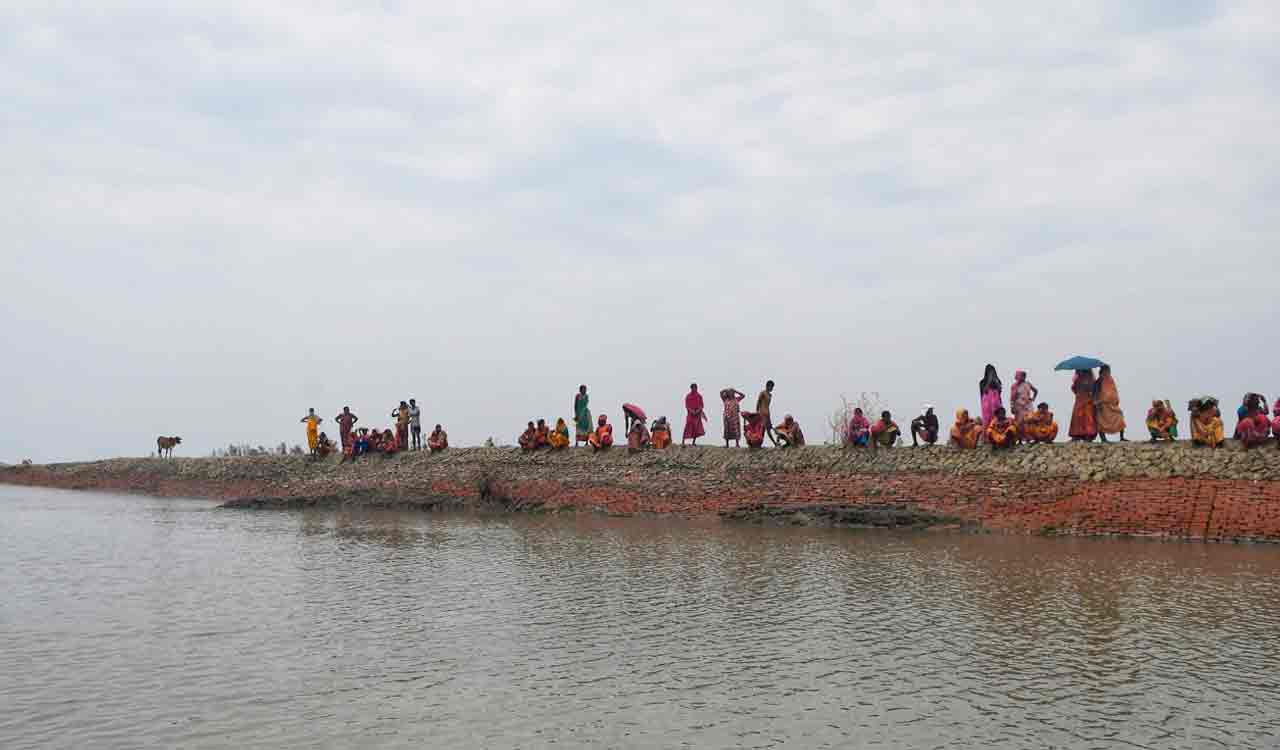
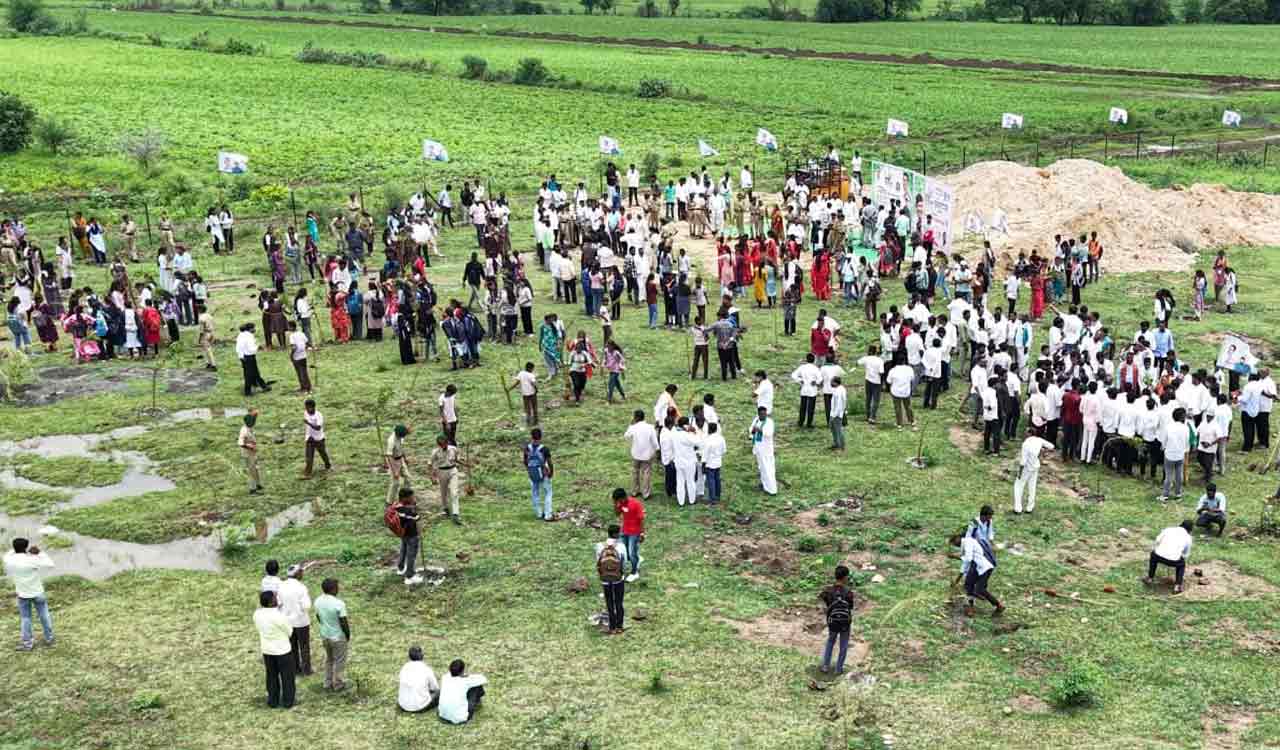
The Green India Challenge's mangrove plantation drive in the Sundarbans has recorded a high survival rate, with saplings growing up to three feet tall. Organisers said the project highlights the value of scientific monitoring, community participation and long-term ecological restoration.
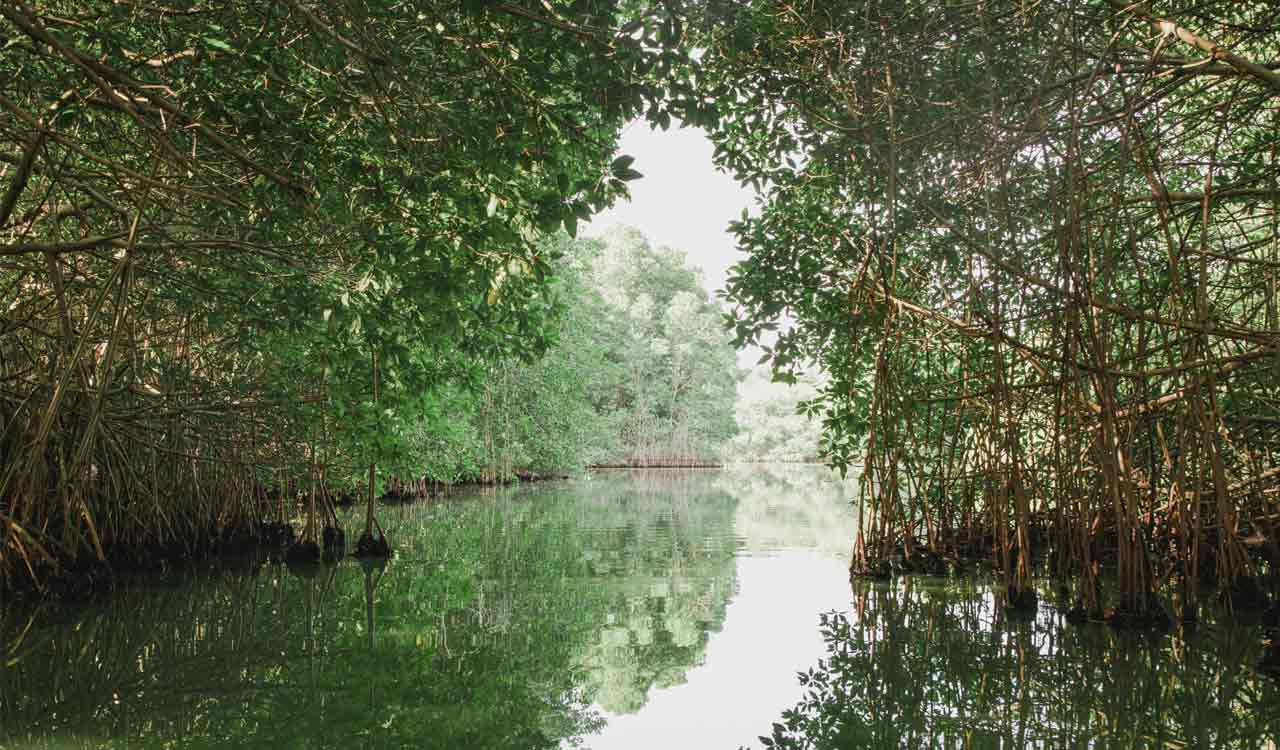


Hyderabad: The mangrove plantation drive undertaken in the Sundarbans by the Green India Challenge (GIC) earlier this year is thriving and showing encouraging results. Taken up as a tribute to former Chief Minister K Chandrashekhar Rao marking his birthday, the plantation has shown a high survival rate with saplings growing up to three feet height within a short span.
A GIC team revisited the plantation site where 20,000 mangrove saplings were planted, using geo-tagging technology to enable scientific monitoring and ensure transparency and accountability in tracking the growth and survival of each sapling. Organisers said the progress demonstrated the effectiveness of sustained monitoring, community participation and scientific plantation practices.
Located in the world’s largest mangrove ecosystem and a UNESCO World Heritage Site, the Sundarbans plays a crucial role in protecting coastal communities from cyclones, erosion, storm surges and rising sea levels. Mangroves also contribute significantly to carbon sequestration, biodiversity conservation and climate resilience.
The organisers credited the initiative’s success to the efforts of GIC founder and former MP J Santosh Kumar, stating that the movement has facilitated the plantation of more than 196 million trees since its launch in 2018. They said the thriving mangroves emphasised the importance of moving beyond symbolic plantation drives and focusing on long-term survival and ecological restoration. They described the Sundarbans project as a model for community-driven climate action and environmental conservation.
“Planting a tree is an act of hope. Returning to witness its growth is proof that collective action can transform landscapes, strengthen ecosystems, and secure a sustainable future for generations to come,” said Santosh Kumar.

Related News
-

Vijay Deverakonda urges clay idols for pollution-free Ganesh Chaturthi
-
Bengal govt starts process for mangrove restoration on encroached Sundarbans forestland
-
Green India Challenge marks KTR’s 50th birthday with 1,000 bamboo saplings along Godavari
-
Santosh Kumar leads Commonwealth Climate Dialogue at House of Lords