After evicting poor, Congress plans revenue generation from Hyderabad’s vending spaces
The Hyderabad government is planning formal vending zones on government land, with shops to be rented to eligible vendors. The move is aimed at easing congestion and preventing encroachments, while also creating recurring revenue for financially strained urban local bodies
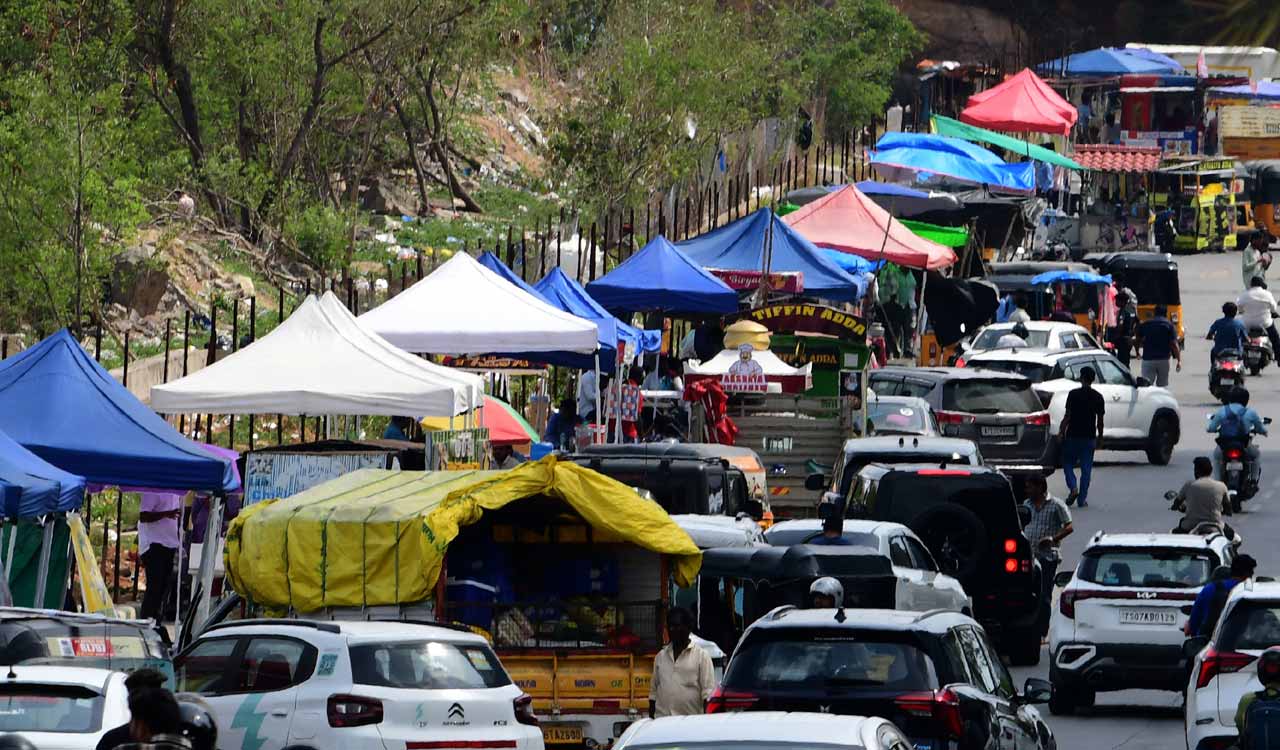


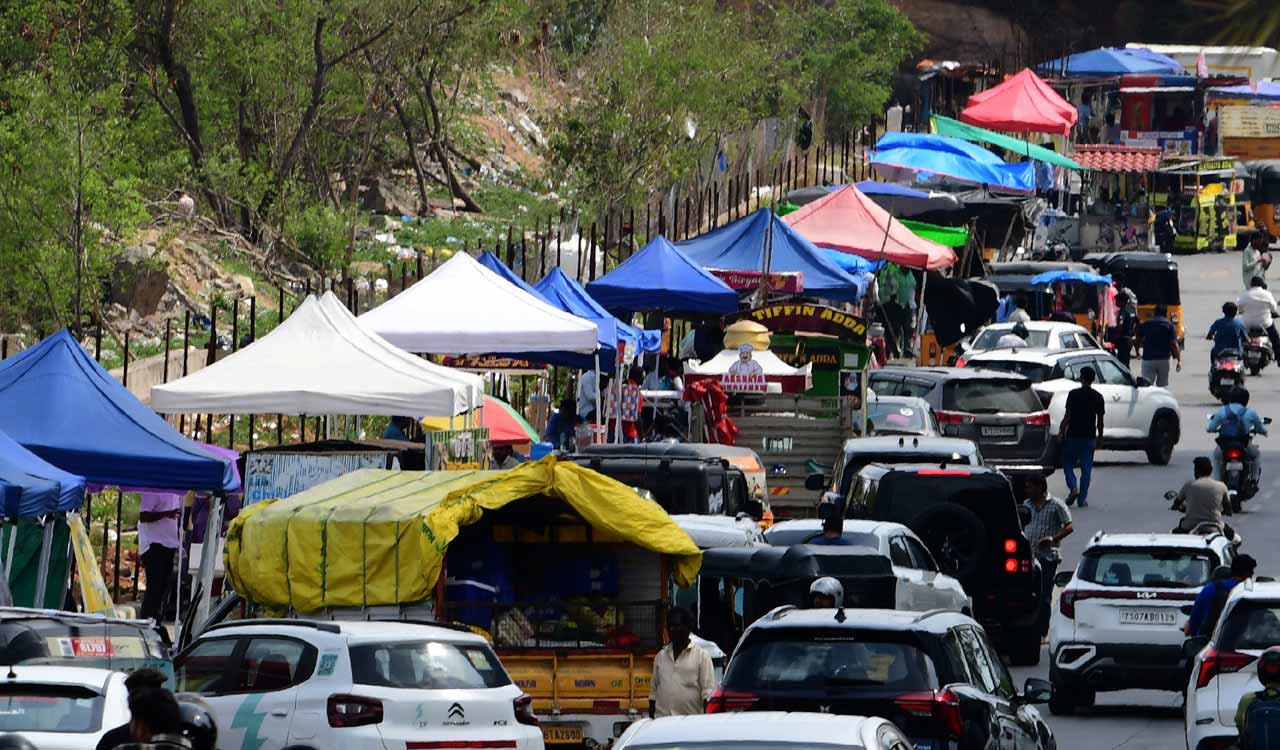
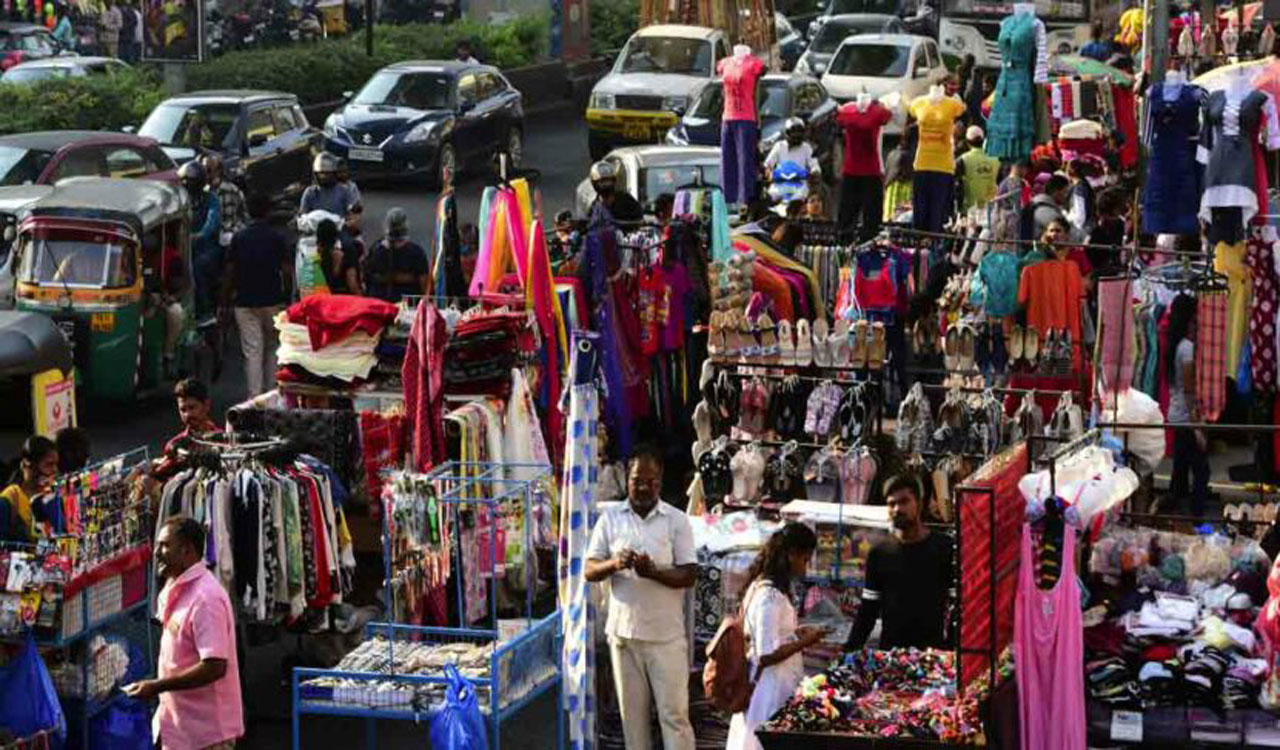
Hyderabad: After clearing the roadside vendors and evicting the poor in the name of protecting government land and easing traffic congestion across Hyderabad, the Congress government is now preparing to monetise some of the same spaces by turning them into formal vending zones and renting out shops.
The plan, which is being worked out by the Hyderabad Metropolitan Development Authority’s Hyderabad Unified Metropolitan Transport Authority (HUMTA), is being projected as a three-in-one solution to protect government land, ease traffic congestion and provide organised spaces for street vendors. But behind the urban-management plan lies a more immediate attraction, with public land being used to create a steady stream of rental revenue for urban local bodies which are facing financial constraints.
Official sources said proposals have been prepared for government parcels at Ameerpet Junction and opposite Satyam Theatre. Officials said vendors currently occupy these spaces with pushcarts, kiosks and other temporary structures, while vehicles are also parked there. The proposed vending zones are expected to provide basic infrastructure and regulated spaces for vendors, while generating recurring income through rents.
The revenue motive is significant amid the continuing financial strain on civic bodies. Municipal agencies have struggled with inadequate funds for basic services, while allocations from the government have remained a persistent concern. The proposed vending zones would offer a recurring income stream without requiring the government to dispose of the underlying land or impose additional taxes on people, especially ahead of elections to the truncated GHMC, along with Cyberabad Municipal Corporation and Malkajgiri Municipal Corporation.
HUMTA is now preparing an inventory of small government plots at junctions and along roads within the GHMC, metropolitan municipal and city municipal areas. The government is also planning to involve traffic police and municipal authorities in identifying sites, removing unauthorised occupations and allotting the new shops transparently to eligible vendors. If the Ameerpet model succeeds, similar projects are expected elsewhere.
The authorities said transparent allotment to eligible vendors will prevent fresh encroachments. However, the new scheme ostensibly designed to help the urban poor could otherwise become another system in which access to public land is determined by commercial value and official allotment.
Ironically, the civic authorities had earlier identified 127 vending zones in erstwhile GHMC limits with marginal or no rentals. However, as the majority of them are away from busy commercial stretches, several designated facilities have remained unused. The vacant stalls near Shilparamam and non-operational fish markets at Begum Bazaar and LB Nagar are examples of infrastructure created without successfully relocating vendors.
GHMC officials recently said more than 1,000 footpath encroachments were cleared, but pushcart vendors returned soon after the drives.
“The majority of these vendors operate illegally on the roadsides and at busy junctions. It is an open secret that they also pay bribes to local officials and politicians to run their businesses. The government is only proposing to legitimise it by constructing shops,” a top municipal official said. However, he refused to comment on the amount of rent to be collected from these vendors, with questions being raised about the legitimacy and morality of the government in doing so.

Related News