AI boom sparks global shortage of RAM, SSDs
The rapid growth of generative AI is causing severe shortages of RAM and SSDs, pushing hardware prices sharply higher. From PC components to gaming consoles, rising memory costs are making upgrades expensive and forcing consumers to rethink buying decisions.


Hyderabad: If you have had an iota of interest in technology, chances are you have heard the phrase “generative AI” be mentioned a couple of times in the last three years. The fact of the matter is that gen AI is the gift that keeps on giving, as it finds new ways to consume resources unsustainably and make things harder for the common man.
Recent news and research coverage have highlighted the environmental and resource cost of enabling the technology, as data centres have consumed water, land, and energy at unprecedented levels to try and keep the buzz going.
AI, Data centres and expensive memory
Natural resources like water and land aren’t necessary to fuel an AI revolution, as we are increasingly finding out the computational cost required to realise the vision of large tech companies behind the idea. One such resource in extreme need now is memory, as we face an incredible shortage of both DRAM memory, used in RAM chips, and NAND memory, used in solid-state drives. The demand for memory in AI systems is such that it has seen prices of SSDs rise by 100 per cent and RAM chips by 500 per cent.
The rise has been consistent as everything from DDR4-3200 kits to DDR5-6000 kits has been gobbled up. At this moment, one would be hard pressed to find reasonably priced DDR5 RAM chips, as prices on e-commerce platforms like Amazon have increased to stratospheric levels and make attempts of cost-effective PC builds useless.
Micron closes Crucial
In the case of consumer memory brands, the demand from business clients is such that hardware giant Micron has announced the closure of its popular consumer brand, Crucial, at the end of the 2nd quarter in 2026. The impact of such a closure on the everyday gaming and tech user will be significant, considering that it will not only limit choices but also drive up prices among the few remaining competitors.
Nintendo and MicroSD Express Cards
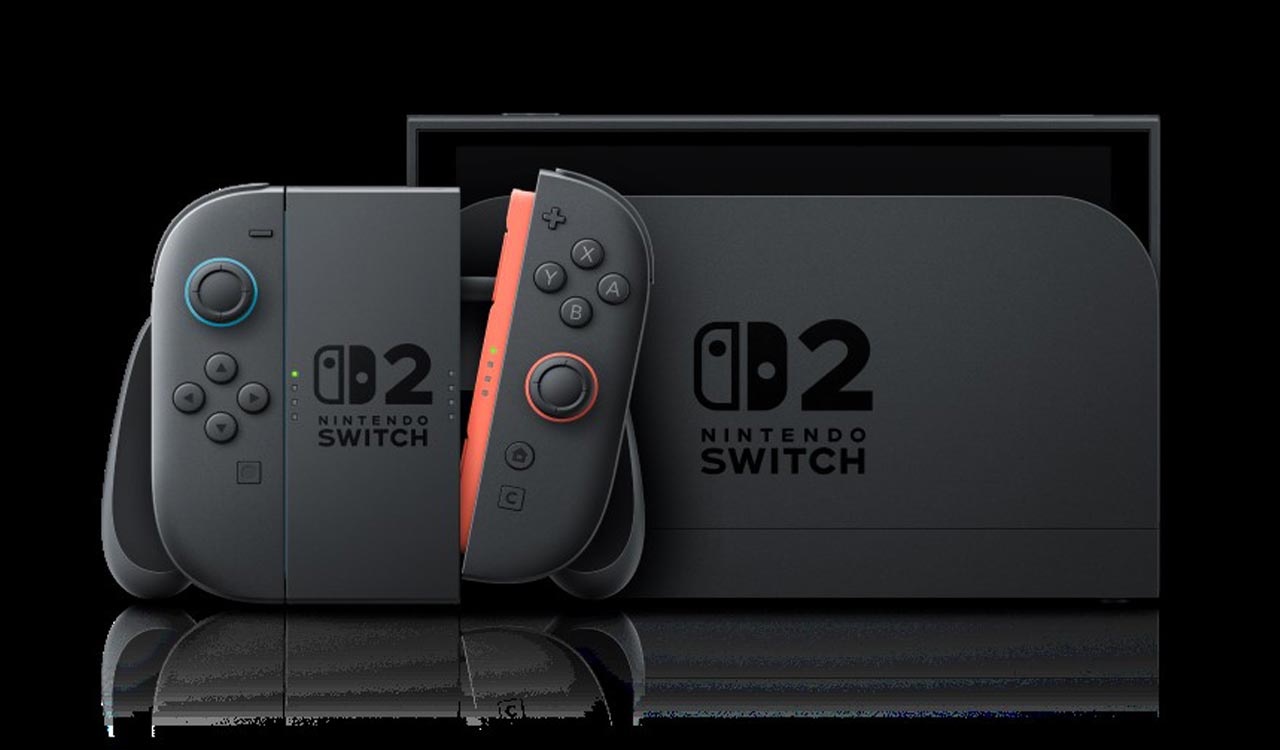
In the case of gaming hardware manufacturers like Nintendo, who launched the Switch 2 in June 2025, the expected adverse impact is likely to be significant as the new Micro SD Express cards it relies on work on NAND memory and data organisations are buying them outright too.
In terms of RAM, market analysts Trendforce estimate that the 12 GB modules that ship with the device cost 41 per cent higher to procure now than they did last quarter.
While it is difficult to predict how long the hunger for memory and storage devices will last (experts predict at least a year), it is important for us gamers to resist and pay the extreme prices at the moment. However, if you really do need to upgrade, this might be a good time to find a discount deal on a pre-built device.

Related News