Astronomers find supermassive black holes inside dying galaxies
London, May 29 (IANS) An international team of astronomers have detected the signal from the active supermassive black holes of dying galaxies in the early Universe. The appearance of these active supermassive black holes correlates with changes in the host galaxy, suggesting that a black hole could have far reaching effects on the evolution of […]


London, May 29 (IANS) An international team of astronomers have detected the signal from the active supermassive black holes of dying galaxies in the early Universe.
The appearance of these active supermassive black holes correlates with changes in the host galaxy, suggesting that a black hole could have far reaching effects on the evolution of its host galaxy, said researchers in the paper published in the Astrophysical Journal.
The Milky Way Galaxy where we live includes stars of various ages, including stars still forming. But in some other galaxies, known as elliptical galaxies, all of the stars are old and about the same age. This indicates that early in their histories elliptical galaxies had a period of prolific star formation that suddenly ended.
Why this star formation ceased in some galaxies but not others is not well understood. One possibility is that a supermassive black hole disrupts the gas in some galaxies, creating an environment unsuitable for star formation.
To test this theory, astronomers from Japan, Mexico, Denmark, France, Italy and the US, looked at distant galaxies that are 9.5-12.5 billion lightyears away.
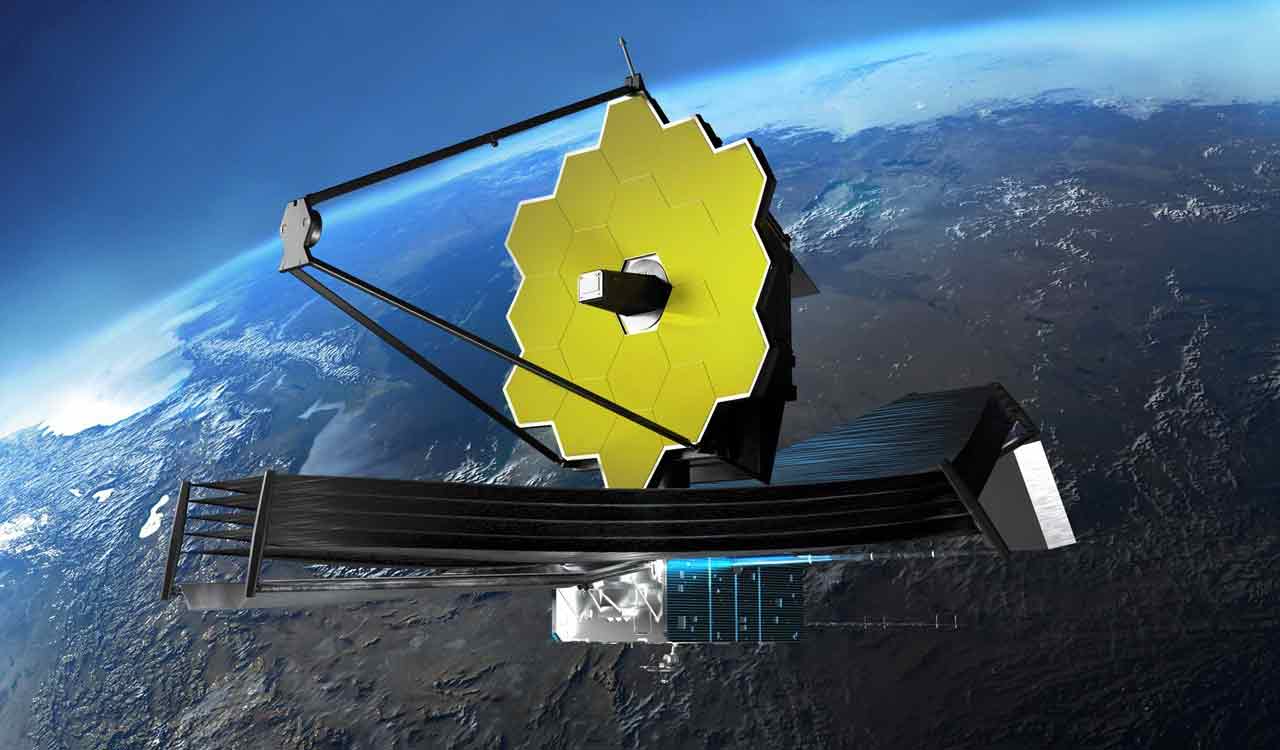
They used a database combining observations from the best telescopes in the world, including Japan’s 8.2-metre Subaru Telescope and the Atacama Large Millimetre/submillimetre Array (ALMA).
The team first used optical and infrared data to identify two groups of galaxies: those with ongoing star formation and those where star formation has stopped. The x-ray and radio wave data signal-to-noise ratio was too weak to identify individual galaxies.
So the team combined the data for different galaxies to produce higher signal to noise ratio images of “average” galaxies. In the averaged images, the team confirmed both x-ray and radio emissions for the galaxies without star formation. This is the first time such emissions have been detected for distant galaxies more than 10 billion lightyears away.
Furthermore, the results show that the x-ray and radio emissions are too strong to be explained by the stars in the galaxy alone, indicating the presence of an active supermassive black hole. This black hole activity signal is weaker for galaxies where star formation is ongoing.
The results show that an abrupt end in star formation in the early Universe correlates with increased supermassive black hole activity.

Related News