BITS Pilani Hyderabad develops portable device to detect pesticide residues in food and water
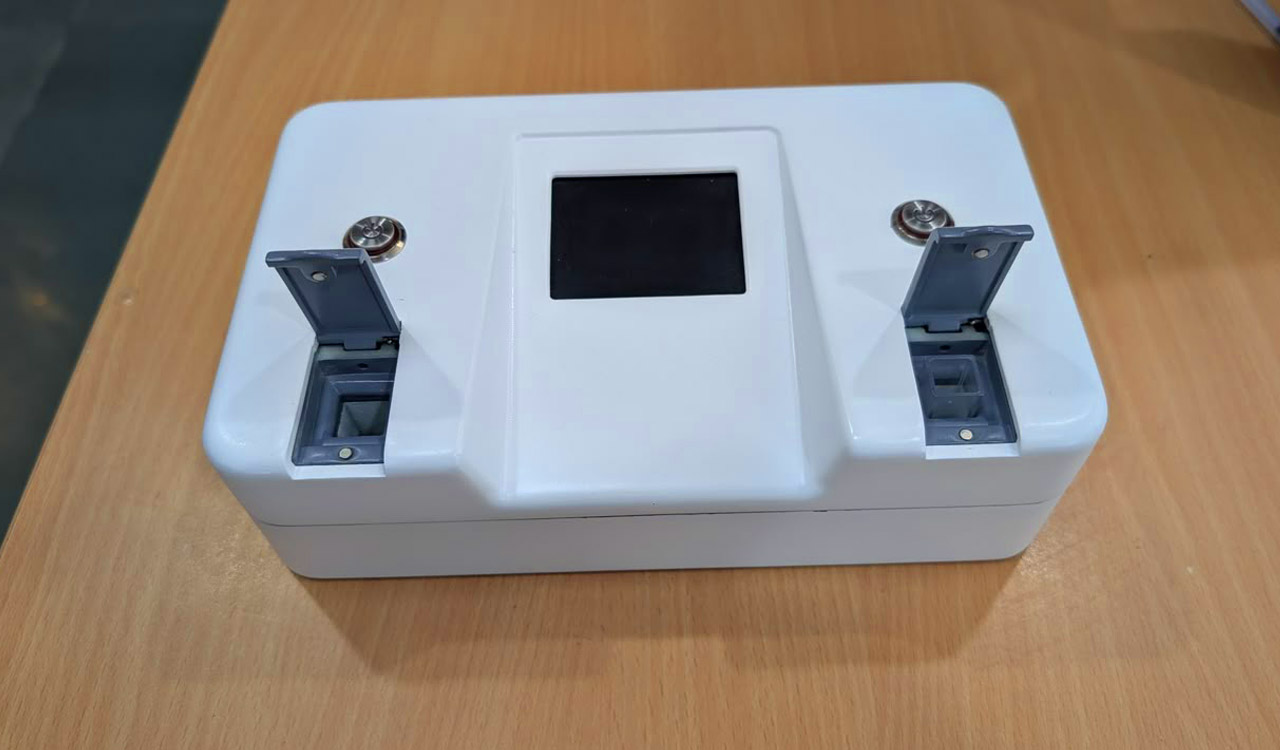
Researchers at BITS Pilani Hyderabad have developed PestiSafe, a portable dual-mode optical sensing device that detects pesticide residues in food and water. The low-cost system offers rapid on-site testing and could help farmers, inspectors and consumers make informed safety decisions.
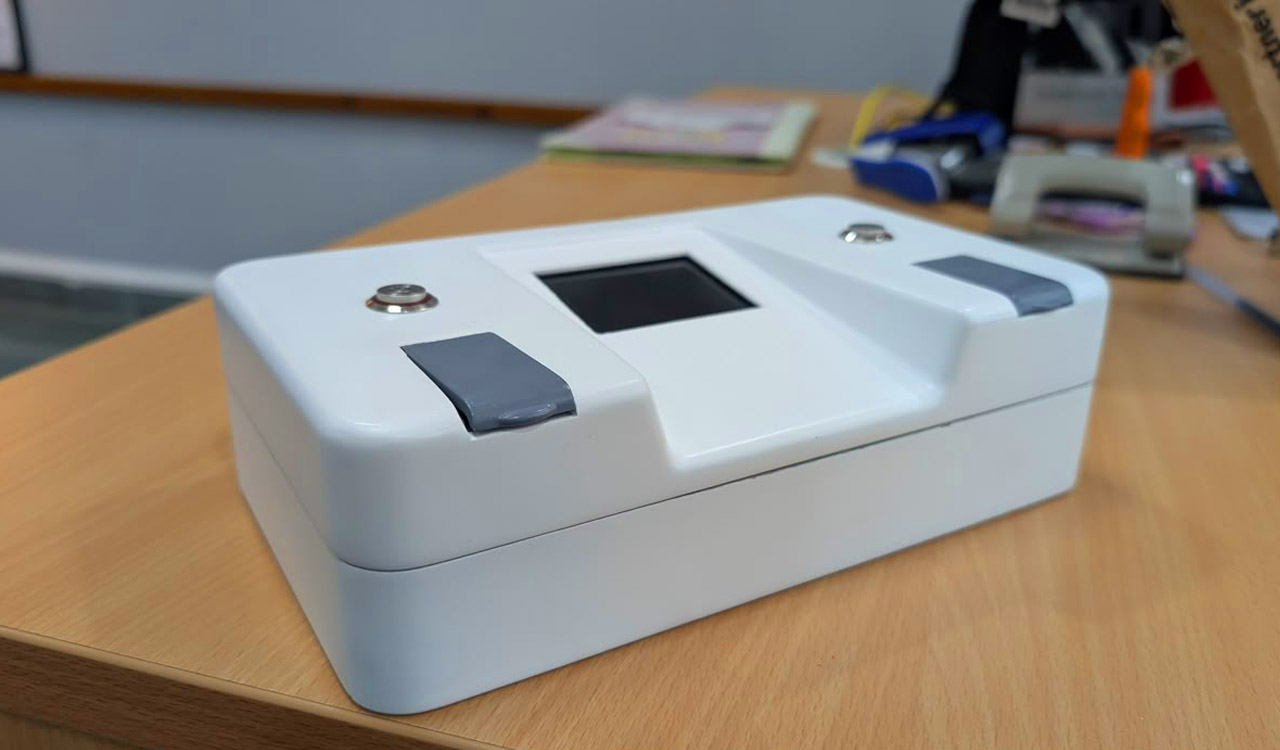


Hyderabad: Testing food and water samples for pesticides residues has been made easy and quick. A BITS Pilani Hyderabad campus team has developed a new portable smart sensing platform capable of detecting and distinguishing pesticide residues in food and water samples without relying on bulky laboratory equipment.
Published in the Microchemical Journal, the study introduces PestiSafe, an automated dual-mode optical detection device designed to address one of the major challenges in food safety monitoring: the need for rapid, accurate, and accessible pesticide testing outside centralised laboratories.
The device combines two independent optical sensing methods within a single handheld platform, enabling reliable on-site testing with built-in cross-verification of results. A fabrication cost of approximately Rs.7,000, enabling affordable field deployment.
Lead principal investigator of the project Prof. Satish Kumar Dubey said food safety monitoring often remains restricted to centralised laboratories. “Our goal was to develop a practical and affordable platform capable of delivering reliable pesticide analysis directly at the point of need, whether in agricultural fields, food markets, or resource-limited regions,” he said.
Although laboratory-based techniques such as liquid chromatography–mass spectrometry (LC-MS) offer good analytical performance. But their dependence on expensive instrumentation, trained personnel, and centralised facilities limits their use for routine field-level screening.
According to researchers, the newly developed platform seeks to bridge this gap by integrating fluorescence and colourimetric detection modules into a single portable device. The sensing strategy is based on a cerium-ion-mediated reaction coupled with acid phosphatase inhibition, enabling the detection of pesticide residues through simultaneous fluorescence and colourimetric responses.
The developed system demonstrated detection of Malathion down to 0.03 μg/mL (fluorescence) and 0.04 μg/mL (colourimetry), Imidacloprid down to 0.002 μg/mL (fluorescence) and 0.003 μg/mL (colourimetry). The recovery accuracies ranged from 92 percent to 107 percent, they said.
The integrated platform incorporates custom-designed optoelectronic circuitry, signal-conditioning electronics, Bluetooth communication, and a dedicated smartphone application for data visualisation and result interpretation.
Lead researcher KS Deepak said by integrating two independent optical detection modes into a single device the team improved confidence in field measurements while maintaining affordability and ease of use.
“We envision this technology supporting farmers, food inspectors, and consumers in making faster and more informed food-safety decisions,” he added.

Related News