BJP’s southern gambit to dismantle regional democracy
Political developments involving Bandi Sanjay Kumar in Telangana and K Annamalai in Tamil Nadu have intensified discussions on whether the BJP is pursuing a long-term strategy to weaken strong regional parties before attempting independent expansion across southern Indian states
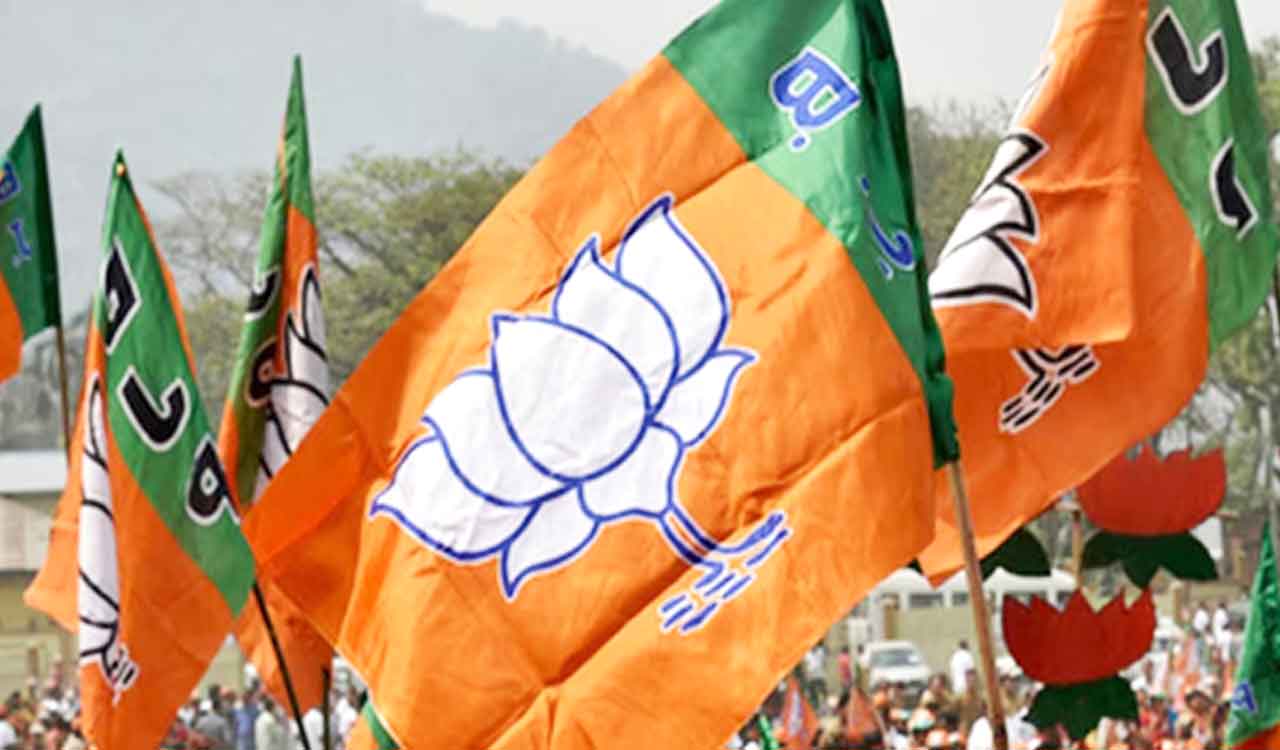


Hyderabad: A political pattern appears to be quietly unfolding across southern India. The BJP increasingly seems to be pursuing a long-term strategy aimed at weakening powerful regional parties, even if it means sacrificing immediate electoral gains and slowing its own expansion temporarily.
Following recent political developments involving K Annamalai in Tamil Nadu and Bandi Sanjay Kumar in Telangana, the debate has intensified. Both leaders belonged to influential Backward Class communities and significantly expanded the BJP’s visibility in states where the party historically struggled to establish a strong presence. Yet, at politically sensitive moments, both were sidelined by the central leadership.
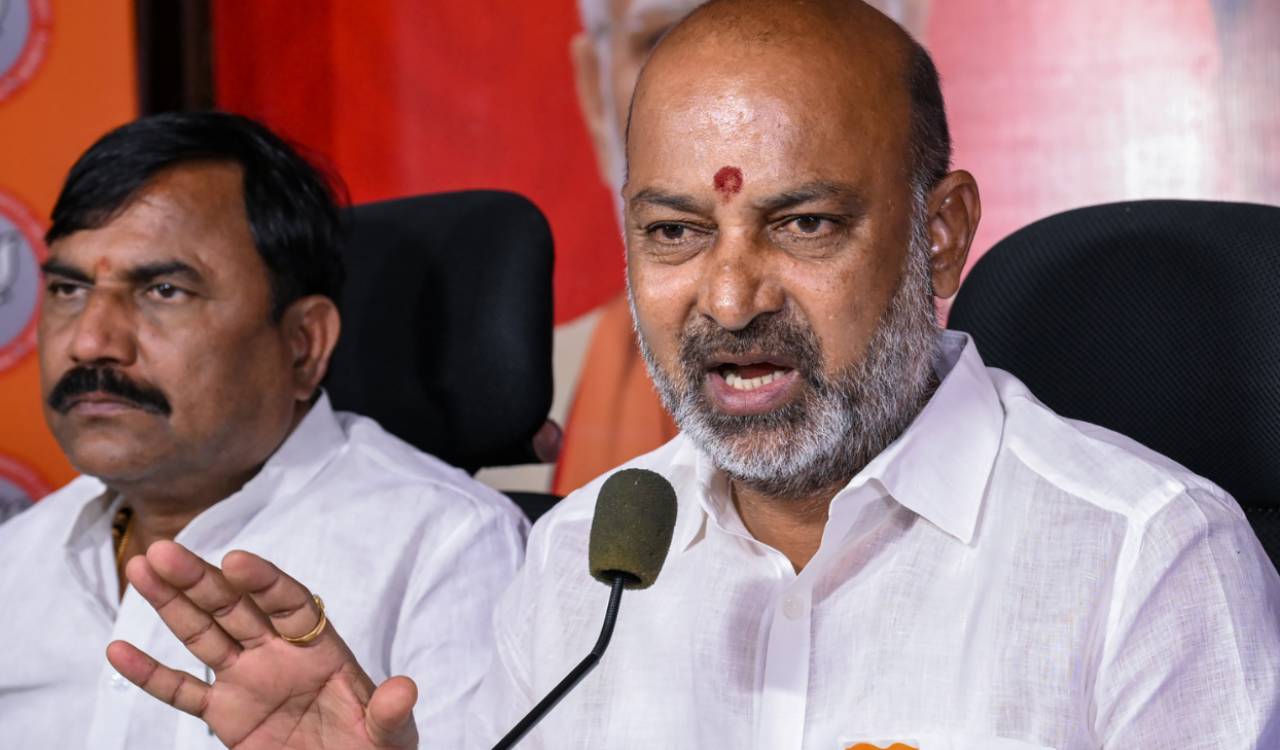
In Telangana, Bandi Sanjay emerged as one of the BJP’s strongest leaders, drawing crowds beyond his constituency and building aggressive momentum against the then-ruling BRS, which even the main opposition Congress struggled to achieve. Political observers noted that at one stage, he appeared to generate more public traction than the then TPCC chief and current Chief Minister A Revanth Reddy.
However, months before the 2023 Assembly elections, the BJP leadership removed him as state president. Analysts believe the move weakened the BJP’s independent surge and reduced the split in anti-incumbency votes, indirectly helping the Congress consolidate opposition support. It must be noted that the BRS lost power with less than two percent loss in votes. Several BRS leaders and political analysts like V Prakash openly criticised the BJP, alleging that the party committed political suicide to dethrone the BRS.
A similar political pattern unfolded in Tamil Nadu recently. Annamalai transformed himself into the BJP’s most recognisable face in the state through aggressive campaigning, urban outreach and youth mobilisation. However, his rise reportedly complicated the BJP’s alliance calculations with the AIADMK. Eventually, the central leadership appeared to prioritise broader electoral arithmetic over the organic growth of its own state unit.
However, political analysts observed that instead of the AIADMK, actor-turned-politician Vijay’s Tamilaga Vettri Kazhagam rode on this exact anti-incumbency wave and consolidated youth votes to emerge as the largest party in the State Assembly.
Several political analysts argued that the BJP increasingly operated through long-term political engineering rather than isolated electoral battles. In states dominated by strong regional formations like the BRS and DMK, the BJP’s expansion could split opposition votes and inadvertently help strengthen these regional forces. As a result, the BJP appears to prefer a phased strategy where it first weakens regional giants through political realignments, and eventually targets the emerging challenger once the regional ecosystem is destabilised.
Critics argued that this approach reflects the BJP’s deeper discomfort with strong regional identities and political forces that resist centralised control. However, political analysts pointed out that regional parties like the BRS and DMK, despite electoral setbacks, continue to possess deep social roots and committed cadre networks. They argued that such parties, built over decades, cannot be erased through a single electoral cycle or strategic recalibration.

Related News