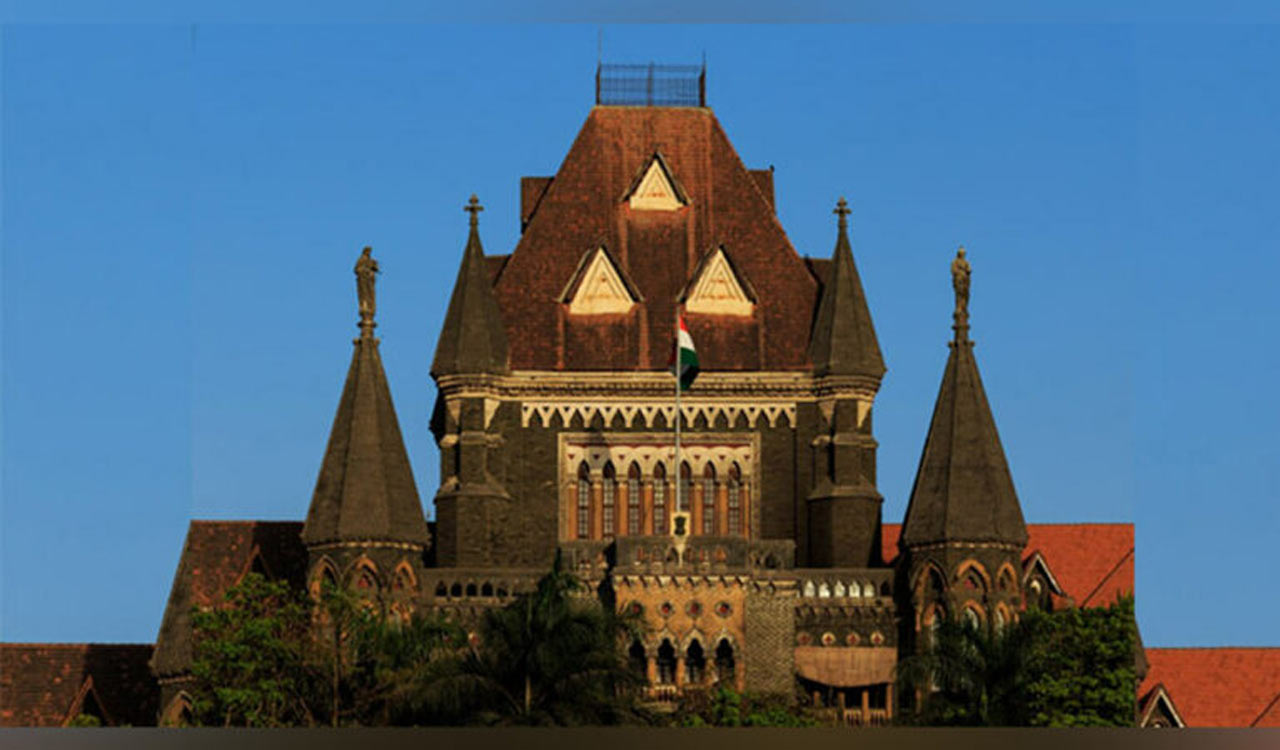
Bombay HC convicts Tarun Tejpal in 2013 rape case
The Bombay High Court convicted former Tehelka editor Tarun Tejpal in the 2013 sexual assault case, overturning his 2021 acquittal. The court found him guilty under rape and sexual harassment provisions, with sentencing to be pronounced separately
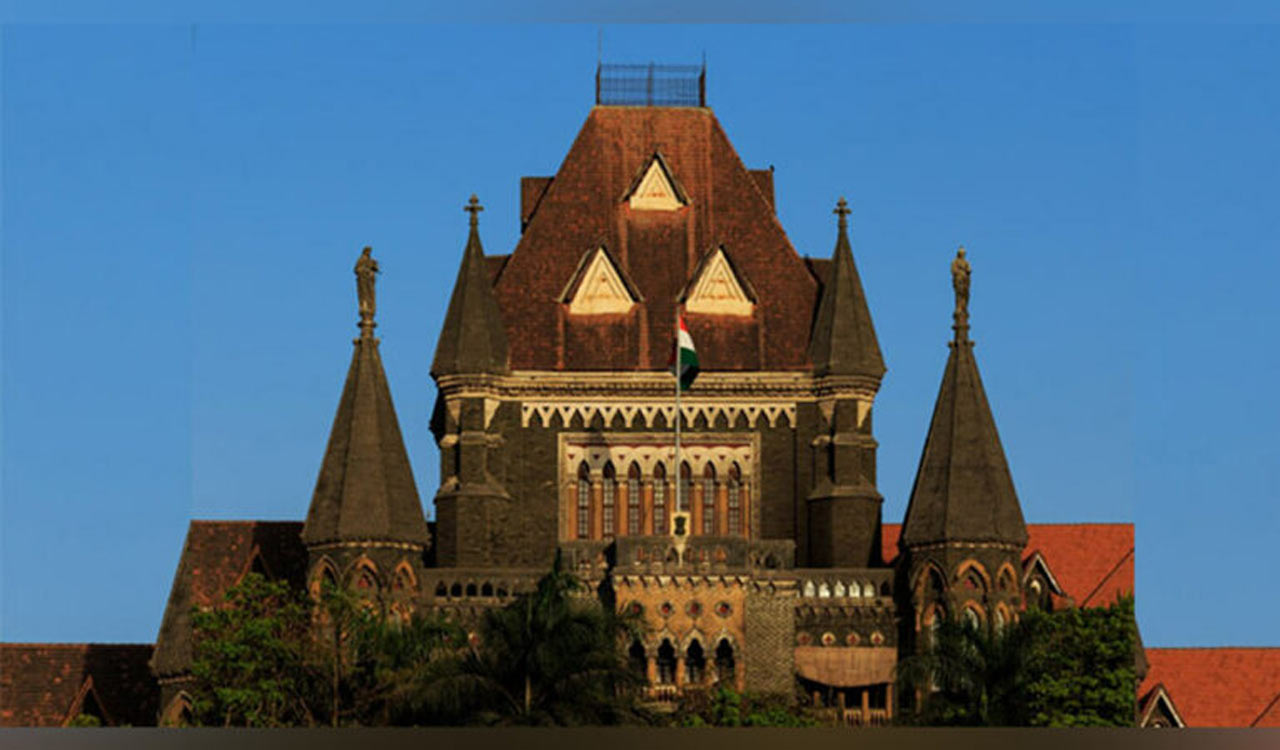


Panaji: The Bombay High Court on Thursday convicted former Tehelka editor Tarun Tejpal of raping a colleague in 2013, setting aside his acquittal by a Goa sessions court five years ago, and sentenced him to 10 years’ rigorous imprisonment.
Justices Neela Gokhale and Amit Jamsandekar of the HC’s Goa bench initially said Tejpal should surrender within two weeks, but following a request from his lawyers, the court extended the time to four weeks.
The court, while imposing the minimum punishment, said the incident occurred 13 years ago and Tejpal has not committed any other offence since then.
“Both parties (the victim and Tejpal) may have moved on in life now,” it observed.
The court also imposed a fine of Rs 10,21,000 on Tejpal, which will be paid to the victim.
It said, “The victim, having suffered sexual assault, will be paid the entire fine amount.”
While Tejpal pleaded for leniency, claiming he was a “political victim” and the father of two daughters, Solicitor General Tushar Mehta, appearing for the Goa government, sought the maximum punishment to send a strong message that “no means no”.
“We set aside the trial court order of acquittal. The respondent (Tejpal) stands convicted,” the bench said.
Tejpal said he would move the Supreme Court against the HC’s order.
He has been convicted under Sections 376(2)(f) (person who is a guardian or in a position of trust or authority who rapes a woman), 354(a) (sexual harassment) and 354(b) (using criminal force on a woman with the intent to disrobe her) of the Indian Penal Code.
The bench sentenced Tejpal to 10 years’ rigorous imprisonment under Section 376(2)(f), one year under Section 354(a) and three years under Section 354(b). All the sentences will run concurrently, it said.
Tejpal, who was present in court, sought leniency, claiming that he was a “political victim” and the father of two daughters.
“I am 62 years old today. I am the father of two daughters. I have a wife. I am a political victim. My lawyers have also asked me to urge the court to show leniency,” he told the court.
Tejpal’s lawyer Aabad Ponda, while seeking the minimum punishment, also urged the court to suspend the sentence and conviction for at least 10 weeks so that they could file an appeal in the Supreme Court.
Tejpal later told reporters that he would move the apex court against the HC order.
“We will be appealing against this order. We feel the order is wrong. We will be moving to the Supreme Court against the order,” he said.
The case relates to allegations by a former junior colleague that the veteran journalist sexually assaulted her inside a hotel elevator during the ThinkFest event in Goa in November 2013.
After he was acquitted by the trial court in 2021, the Goa government challenged the verdict in the HC.
Tejpal’s lawyer Ponda said, “He has been on bail since the trial and has never violated any of the conditions imposed on him. He is a senior citizen.”
Solicitor General Tushar Mehta, however, said Tejpal deserved the maximum punishment of life imprisonment considering his “brazen” attitude towards the victim and for later portraying her as behaving normally after the alleged incident.
“The convict (Tejpal) was in a position of dominance over the victim. The victim was not just a colleague but also a friend of his daughter. The convict has shown no remorse,” Mehta said.
He repeated the offence the next day and, during the trial as well as before the HC, questioned the victim’s behaviour by saying that she behaved normally, he said.
“The punishment should be commensurate with the act. It is high time to send a clear message that no means no. That deterrent message needs to be sent out,” Mehta said.
During the hearing on the state’s appeal, Mehta had argued that the sessions court committed a serious error by assessing the complainant’s conduct based on preconceived notions of how a victim of sexual assault should behave.
There is no universal standard governing the reaction of a survivor, as responses differ depending on an individual’s education, personality, social background and circumstances, the Solicitor General had said.

Related News