Constitutional morality goes for a toss in Telangana as Speaker dismisses disqualification pleas
Telangana Assembly Speaker Gaddam Prasad Kumar dismissed BRS petitions seeking disqualification of defected MLAs, citing lack of evidence. The decision, delivered ahead of a Supreme Court deadline, has reignited debate over constitutional propriety and legislative neutrality
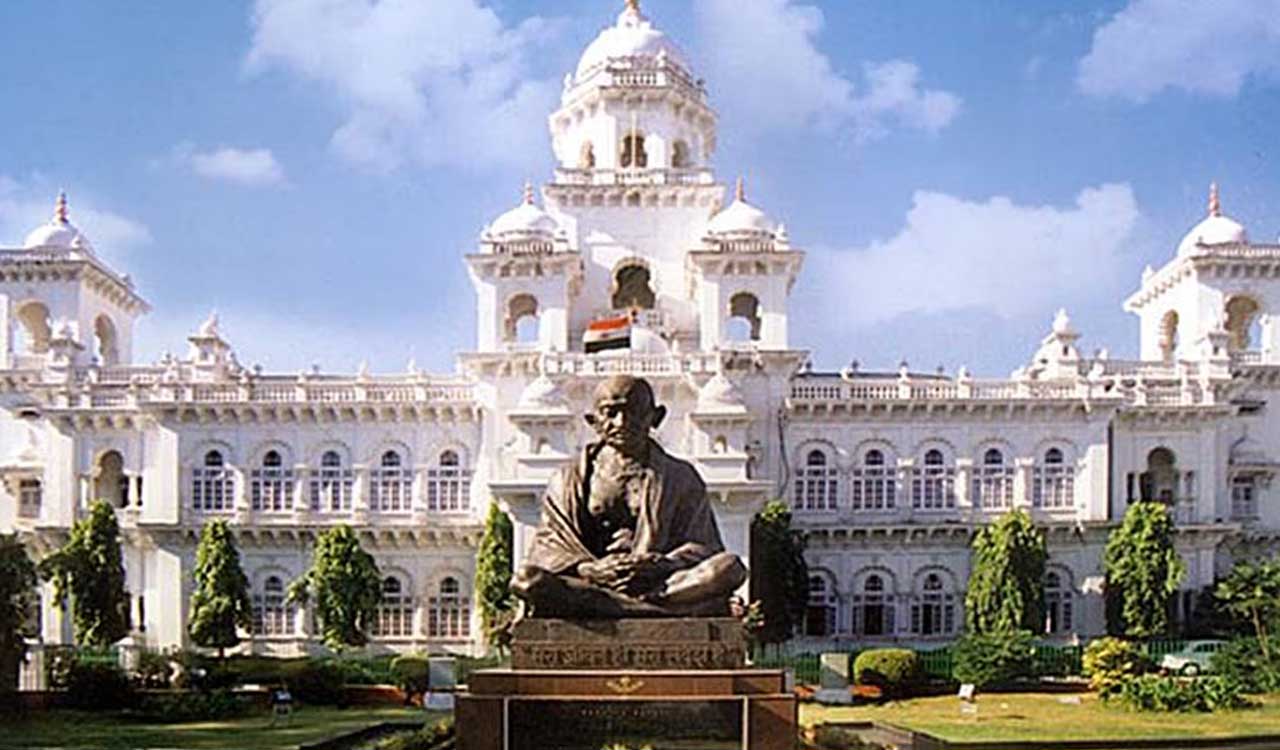


Hyderabad: In a move that has sharpened accusations of constitutional hypocrisy against the Congress, Telangana Assembly Speaker Gaddam Prasad Kumar on Wednesday dismissed disqualification petitions filed by the BRS against MLAs who defected to the ruling party, citing technical grounds and lack of ‘sufficient evidence’.
The decision comes despite the Congress led by Rahul Gandhi repeatedly projecting itself as a defender of the sanctity of the Constitution, even as its handling of the defection issue had, from the outset, signalled a strategy of delay and reliance on procedural technicalities to wriggle out of an uncomfortable situation. The prolonged inaction by the Speaker had indicated that the ruling party would seek refuge in narrow interpretations rather than address the substance of the allegations.
In a press release issued by State Legislature Secretary V Narasimha Charyulu, it was stated that the Speaker, acting as chairman of the tribunal on disqualification petitions, dismissed the pleas. The uploading of the detailed orders on the Assembly website, he said, was under process.
BRS leaders, including party whip KP Vivekananda and general secretary Soma Bharat Kumar, appeared before the Speaker along with advocates representing both the BRS and the defected MLAs. Following the verdict, the BRS announced that it would challenge the Speaker’s order in court.
Speaking to the media, Vivekananda termed the decision a ‘brutal attack on democracy’ and said the BRS would pursue all legal remedies to ensure that the turncoat MLAs were held accountable.
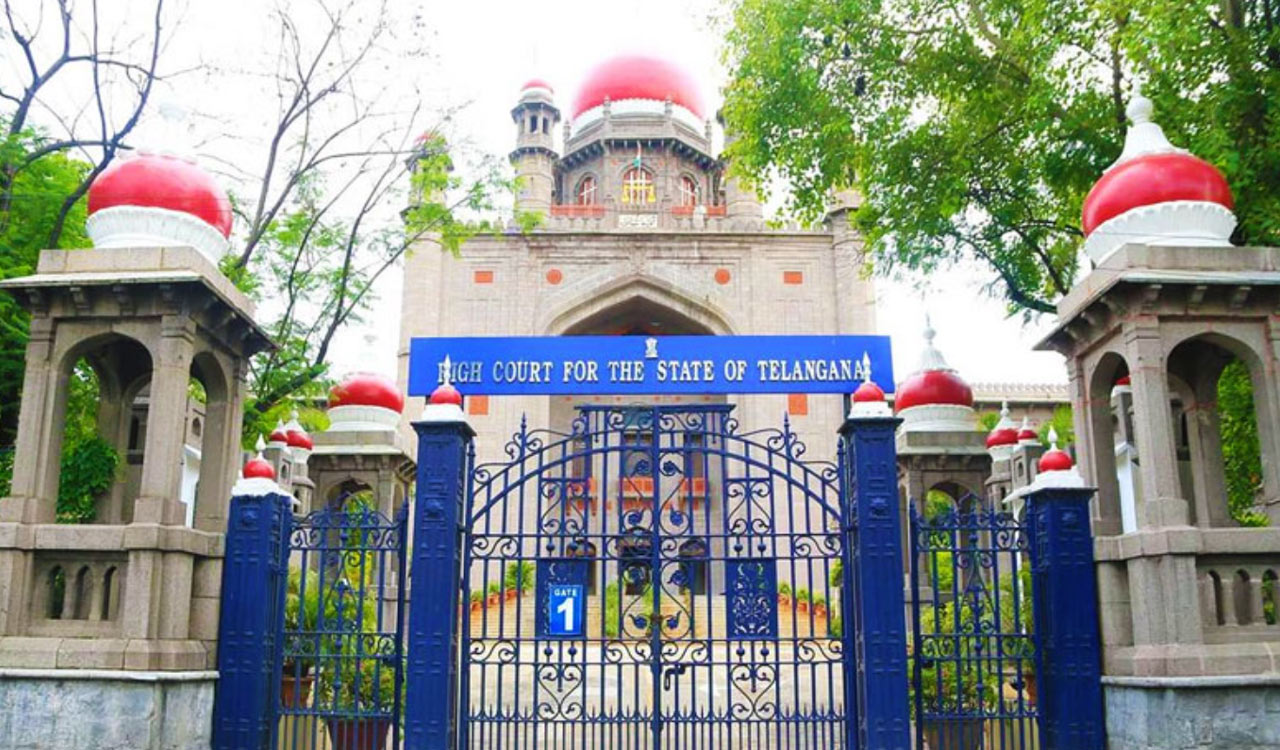
After 10 MLAs defected to the Congress after being elected on the BRS symbol, the BRS had filed disqualification petitions before the Speaker. With no decision forthcoming for months, the party approached the High Court and subsequently the Supreme Court, seeking directions to compel the Speaker to act. Notices were issued to all 10 MLAs, but only eight responded, denying that they had joined the Congress. Kadiam Srihari sought more time to file his response, while Danam Nagender, who even contested on a Congress ticket in between, is yet to submit his reply, with both these seen as Congress tactics to delay the entire process.
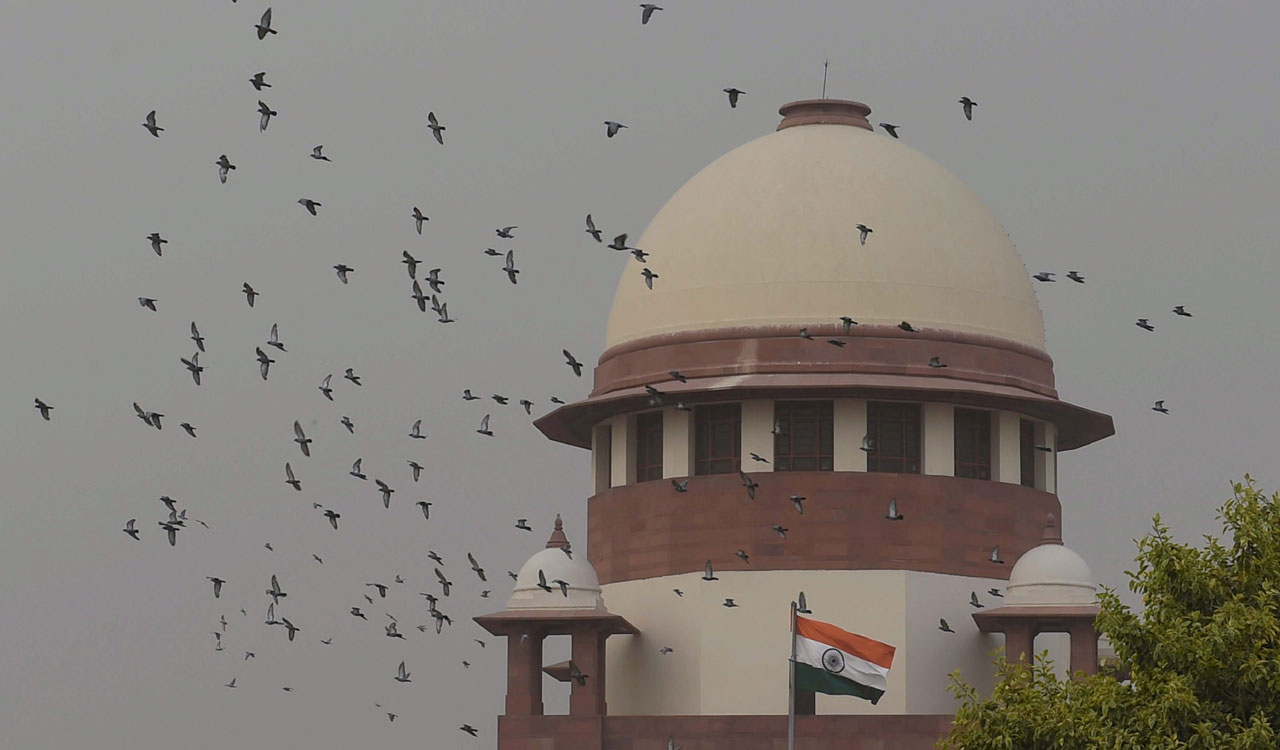
In the first phase, the Speaker’s ruling covered petitions against five MLAs, Tellam Venkat Rao, Bandla Krishnamohan Reddy, Prakash Goud, Gudem Mahipal Reddy and Arekapudi Gandhi. Significantly, the order was pronounced just a day before the expiry of the four-week deadline set by the Supreme Court, which had repeatedly pulled up the Speaker for delays and warned of possible contempt proceedings.
The apex court had earlier fixed a three-month deadline ending October 21, which was ignored, prompting sharp observations. The BRS had argued before the court that no meaningful inquiry had been conducted into the defection of the 10 MLAs. While the Speaker is yet to decide on the remaining five cases, the Supreme Court hearing scheduled for Thursday is expected to have a bearing on the course ahead.
The Speaker’s reasoning has drawn criticism as five MLAs were spared disqualification on the ground of “insufficient evidence” despite the BRS placing extensive material on record. This included affidavits, photographs, public statements, social media posts and documented participation of the MLAs in Congress programmes over several months. Some of them have openly campaigned for Congress-backed candidates in the recently concluded gram panchayat elections. Yet, the Speaker held that they were still technically with the BRS, effectively brushing aside the material presented during the hearings.
The rejection of the disqualification petitions has reignited debate over the erosion of parliamentary norms in the State. The timing of the verdict, delivered on the eve of the Supreme Court deadline, has been widely viewed as procedural compliance without substantive scrutiny, serving to shield the defectors.
Despite repeated admonitions from the Supreme Court and explicit warnings of contempt, the Speaker’s inaction stretched for nearly a year before culminating in a last-minute order that protected the turncoat MLAs.
The Congress’ attempts to justify the defections by citing the BRS’s past record have also come under scrutiny. Legal experts have pointed out that equating individual defections with legislative party mergers permitted under the Tenth Schedule reflects a selective and untenable reading of constitutional provisions.
The contrast becomes sharper in the national context. In Haryana, the Congress demanded the immediate disqualification of its MLA who joined the BJP, calling it a moral imperative. In Telangana, the same party appears willing to bend institutional processes to suit political convenience.
Beyond the legal battle, the political fallout is already visible. Defections have fuelled factionalism within the Congress, disrupted constituencies and affected governance. As the BRS prepares to return to the Supreme Court, a larger question looms over the State: if the Speaker functions as a shield for the executive, who safeguards the sanctity of the Assembly.

Related News
-

Telangana High Court disqualifies Khairatabad MLA Danam Nagender
-
Telangana HC reserves verdict on pleas against Speaker’s ruling in Danam Nagender case
-
Telangana HC continues hearing on pleas against Speaker’s rejection of BRS MLAs’ disqualification
-
SC closes hearing in BRS defection case, asks Speaker to share verdict copies in two days