Delhi trying out bio enzymes as solution to air pollution crisis
The continuous spraying of the solution for seven hours showed better results with the PM2.5 and PM10 levels dropping by 60 to 65 per cent.


New Delhi: The Delhi government is exploring the use of bio enzymes to address the issue of air pollution with a pilot project conducted in Rohini and Wazirpur showing a reduction in particulate matter pollution by 30 to 55 per cent.
“While the application of bio enzymes for wastewater treatment and reducing contamination at landfill sites is known, this is possibly the first instance of using this method to combat air pollution in India,” said Podilapu Mounica Kavya, Senior Executive (Operations), R R Geocycle Private Limited, the firm that conducted the pilot in December.
During the pilot, a solution created by dissolving the bio enzymes in water in a 1:5000 ratio was sprayed in Rohini and Wazirpur using anti-smog guns of the Municipal Corporation of Delhi and the Public Works Department in three eight-hour cycles from December 16 to December 24, a report submitted by the firm to the Delhi Pollution Control Committee (DPCC) said.
The results revealed a 55 per cent drop in PM2.5 levels and a 32 per cent decrease in PM10 levels on average, it said. However, within three hours of discontinuing spraying of the bio enzymes, PM2.5 levels rose by 62 per cent and PM10 levels by 51 per cent on average.
The continuous spraying of the solution for seven hours showed better results with the PM2.5 and PM10 levels dropping by 60 to 65 per cent.
The concentration of nitrogen dioxide and sulfur dioxide also decreased notably while ozone levels showed an increase, according to the report. Indonesia has also experimented with bio enzymes to control air pollution in Jakarta and Bali.
R R Geocycle Private Limited’s Kavya said the cost of bio enzymes is Rs 2,000 per litre and spraying them across Delhi would amount to an expenditure of Rs 40 crore over 45 days. Mukesh Khare, a professor at IIT-Delhi and a researcher on air pollution issues, said that using bio enzymes to reduce air pollution is unheard of.
He said that while algae screens (biofilters) are used in the West for localised air purification, this bio enzyme approach is innovative. Khare, however, cautioned about the potential impact of bio enzyme spraying on ecology.
He stressed the need for an academic committee to review it. Nehal Mevadaa, Senior Executive (Operations), R R Geocycle Private Limited claimed spraying of bio enzymes has no health impact whatsoever.
He said the bio enzymes are sourced from Raipur Bio Enzyme Bank. Vivek Chattopadhyaya, Principal Programme Manager of the Air Pollution Control Cell at the Centre for Science and Environment, suggested testing the bio enzyme-based technology indoors and comparing results to rule out the impact of meteorological conditions and other interventions.
He emphasised the necessity of ensuring the safety of bio enzymes with regard to health. The effect on the respiratory system and other organs in animals and humans should be determined and a credible third party should certify the technology before widespread use, he said. Unfavourable meteorological conditions combined with vehicular emission, paddy straw burning, lighting of firecrackers and other local pollution sources contribute to hazardous air quality levels in Delhi-NCR every winter.
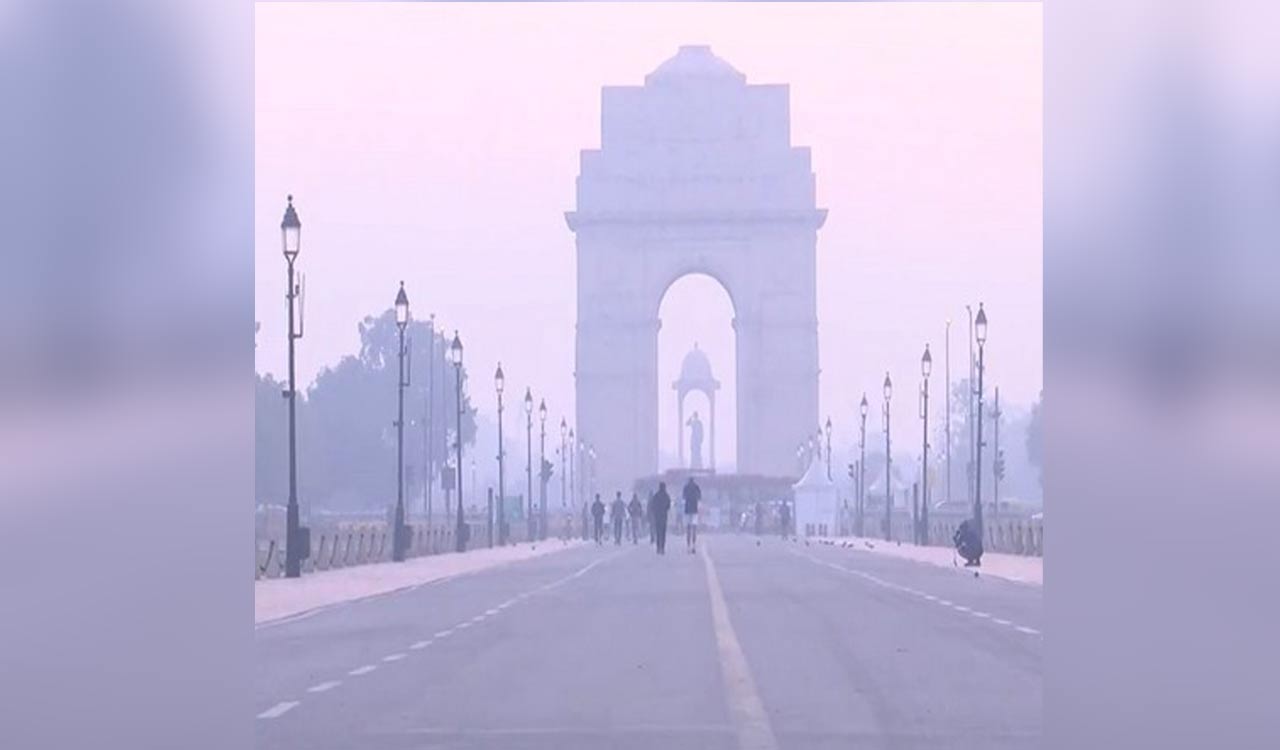
Delhi’s air quality ranks among the worst in the world’s capital cities. A report by the Energy Policy Institute at the University of Chicago in August had said that air pollution is shortening lives in Delhi by almost 12 years.

Related News