Editorial: Australia shows the way
Australia’s sweeping social media ban for under-16s could redefine global child-safety laws and push other nations toward tougher digital protections
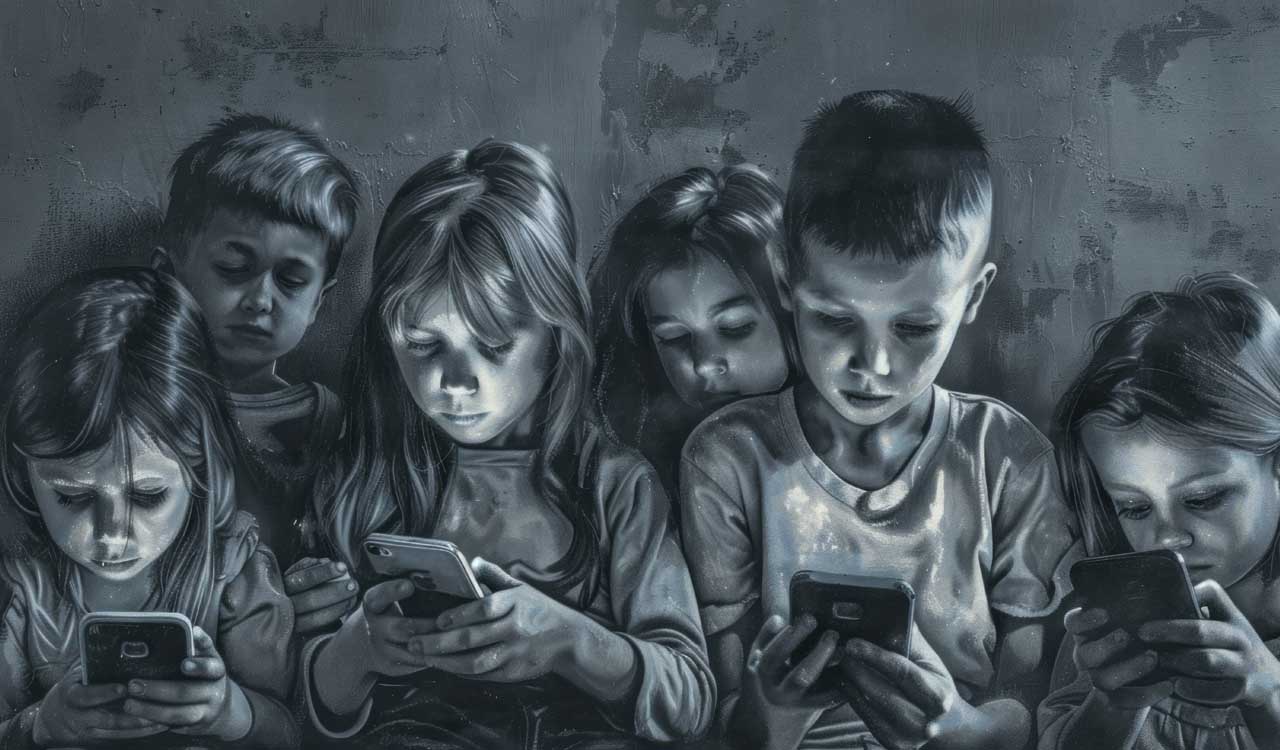


Cyberbullying, digital addiction, and mental illness are the worst nightmare scenarios for parents of teenage children. Safeguarding their kids from the potential harms of social media platforms is one of the biggest challenges that parents face today. Most often, they are confused about what strategy works best and how to strike a balance between personal freedom and safety. Underage children constantly glued to their mobile screens — sucked into algorithm-driven platforms like Facebook, Instagram, Snapchat, TikTok, X, and YouTube — run the risk of getting disconnected from the real world and becoming aloof and socially awkward. Moreover, the online world is a minefield of dangerous allurement. At a time when social media has become an integral part of our lives, parents around the world constantly worry about how to shield their children from the risks associated with these platforms until they are mature enough to navigate them responsibly. Australia has come up with a solution, though a radical one. It has passed a law banning access to social media platforms for children under 16 years. The new federal law, which came into effect earlier this week, is the world’s most sweeping measure to date aimed at shielding young people from the potential harms of social media platforms. Australia’s historic move will be keenly watched by nations across the world, and its experience will serve as a template for others seeking to legislate on the matter. The question is whether a blanket ban is a desirable solution or if a middle path can be explored.
There are numerous research studies highlighting the harmful effects of the overuse of social media on kids. Their mental health is being impacted by misinformation, cyberbullying, body shaming, and pornography. The perils of online toxicity were chillingly depicted in the award-winning Netflix series Adolescence. Australian law, covering ten social media services, has put the onus on the technology companies to keep younger children off their platforms and does not penalise parents or children who violate the law. Prime Minister Anthony Albanese and his team have tried to tamp down expectations that the law will be an overnight fix. They argue that the main objective of the federal legislation is to support parents who feel powerless against the lure of social media and peer pressure among teens. Though the intent is laudable, there are practical problems with the implementation of a sweeping ban. While social media companies have been asked to identify and disable the accounts of users who are under 16, the VPNs (virtual private networks) which hide a user’s location, can come in handy for underage users to explore ways to circumvent the ban. Ideally, the campaign for responsible use of social media platforms must start at home and by parents. India must work on a regulatory model by bringing various stakeholders on board — parents, educators, social media platforms, and influencers.
Also Read

Related News