Editorial: Big dream, bigger challenges for India’s semiconductor ambitions
India’s semiconductor ambitions risk falling short unless policymakers look beyond chip fabrication and build an indigenous ecosystem encompassing chip design, manufacturing, equipment, materials and packaging
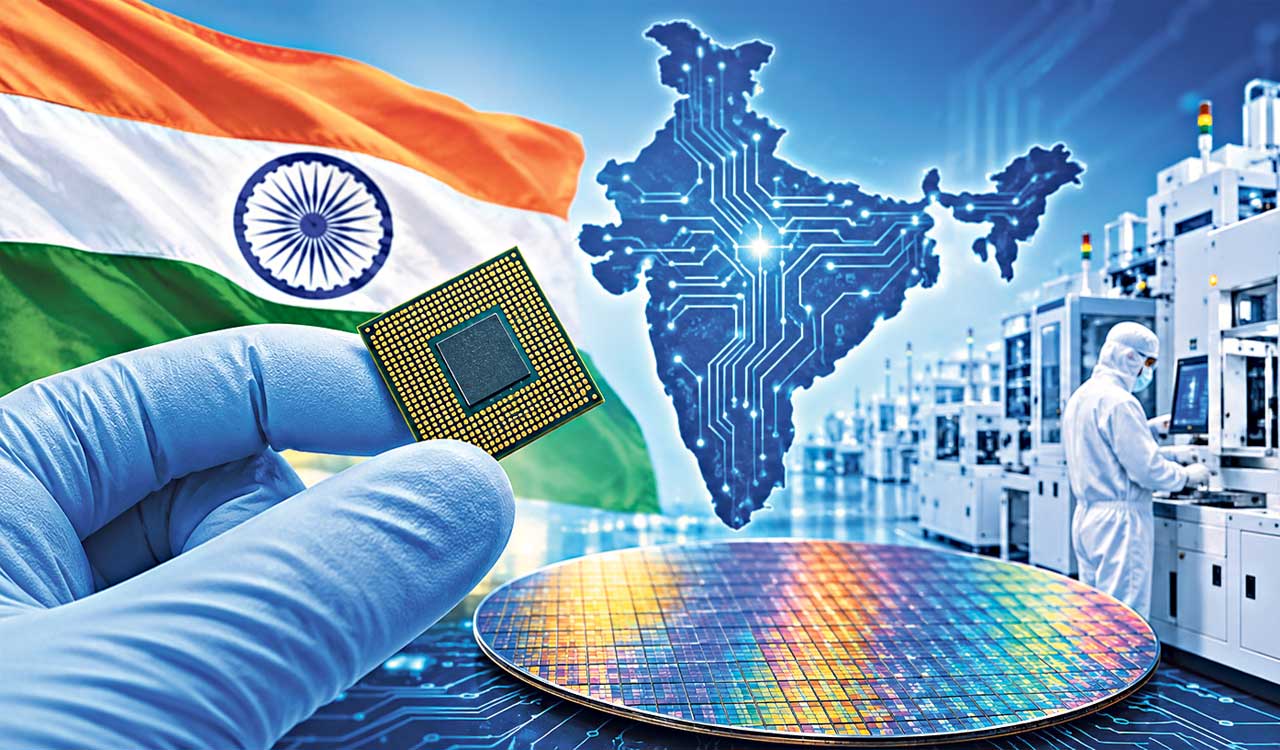


India is dreaming big in the semiconductor sector. However, several challenges lie ahead. Though the country has a strong semiconductor design workforce and enough domestic demand for chips, building intellectual property (IP), attracting skilled talent and developing manufacturing capabilities remain major stumbling blocks. To emerge as a credible global supplier, India needs to scale up the semiconductor ecosystem and strengthen capabilities in chip design and assembly. It needs to develop and manufacture its own machinery and high-precision components required for semiconductor production. Experts say the country’s dream of building a sustainable semiconductor ecosystem will remain unfulfilled unless the focus shifts from fabrication and chip assembly to an end-to-end solutions approach that includes equipment makers, material suppliers, packaging companies, and memory manufacturers. Whether India’s semiconductor push ultimately produces the next Nvidia or ASML is a question that will take years to answer. However, the immediate objective should not be to create a handful of successful companies. Instead, the focus should be on creating an ecosystem that enables hundreds of companies to emerge. In July this year, the Union Cabinet approved Semicon 2.0, a Rs 1.27 lakh crore mission aimed at deepening the semiconductor ecosystem. This marked India’s most ambitious attempt yet to establish itself as a significant player in the global semiconductor value chain. The initiative represented a shift from merely attracting chip manufacturing plants to building an integrated semiconductor ecosystem encompassing design, fabrication, packaging, materials, equipment, research and skilled manpower.
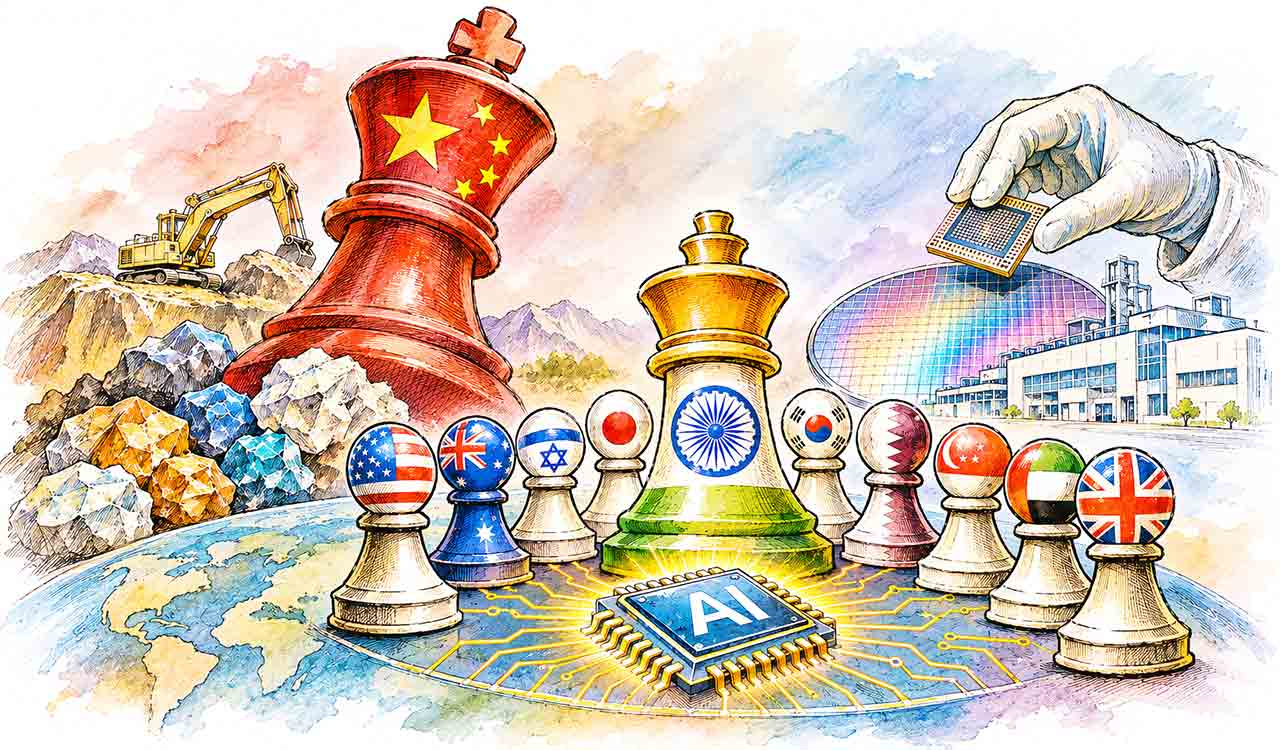
While the policy push is laudable, India faces several formidable hurdles, including extremely high capital requirements, long gestation periods, difficulties in accessing frontier manufacturing technologies because of commercial and geopolitical considerations, supply chain complexity, infrastructure constraints, talent shortages, and intense global competition. One of the major focus areas of Semicon 2.0 is the domestic development of machinery and materials needed for semiconductor production. Semiconductors constitute a trillion-dollar global industry, while India’s contribution to semiconductor manufacturing stands at around $3 billion. This highlights the gap between the country’s ambitions and its current position in the global semiconductor market. The bigger opportunity is to design products for India, develop the chips that go into them and own the intellectual property. That means developing chips for applications that India specifically needs. To realise its dream of becoming a major global player in the semiconductor sector, India needs to reassess its core strengths and craft suitable strategies. The stark reality is that the country imports 90-95% of the semiconductors it uses today, while domestic demand is projected to exceed $240 billion by 2035. India has spent nearly $150 billion importing semiconductor products between 2017 and 2025. In this scenario, it would be imprudent to attempt to reinvent the wheel only to end up as an also-ran in the global race.

Related News