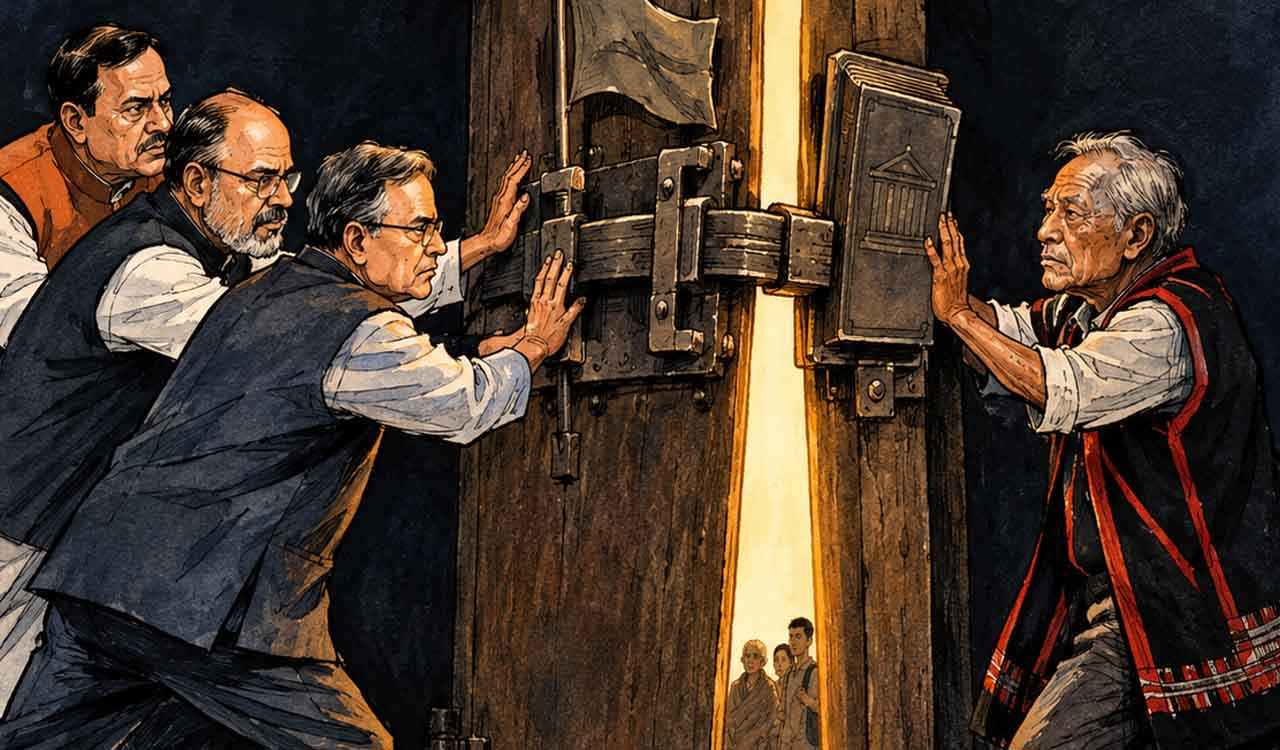
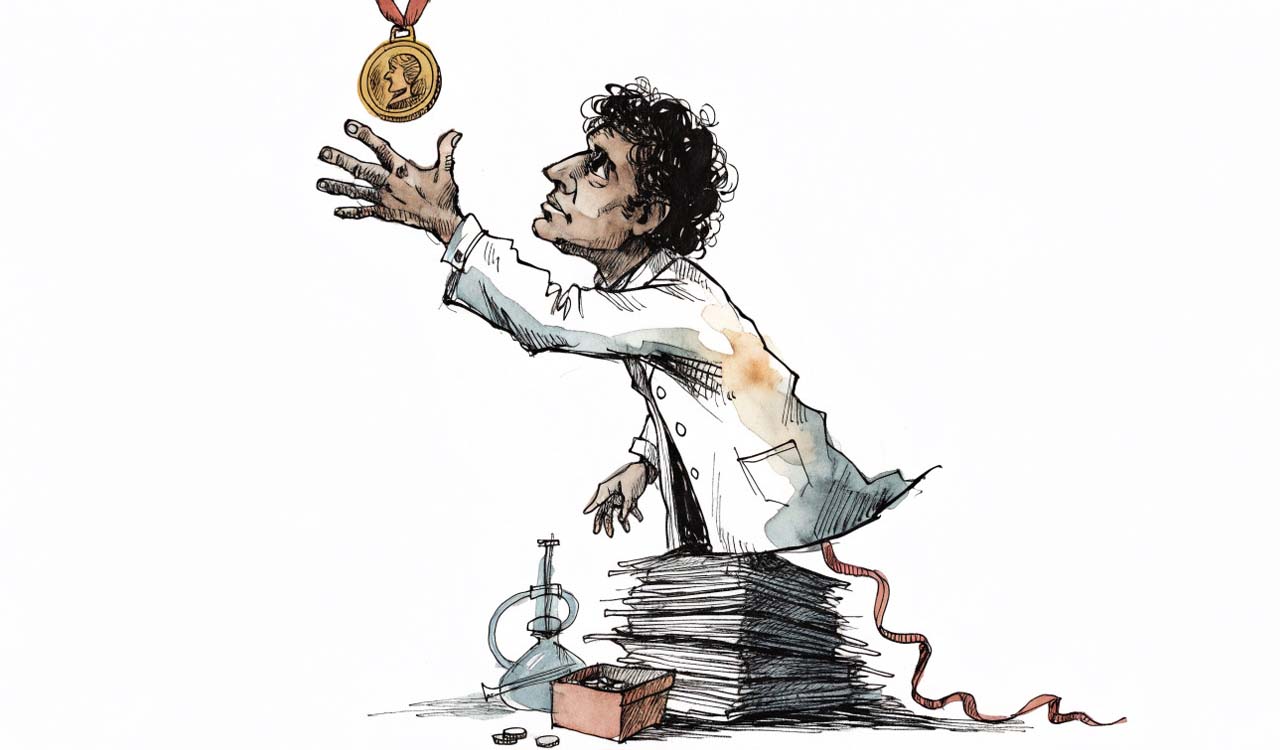
Editorial: Challenges galore for Nirmala Sitharaman ahead of Union Budget
As Finance Minister Nirmala Sitharaman prepares to present a record ninth consecutive Budget, she faces a defining fiscal moment amid external headwinds and internal challenges
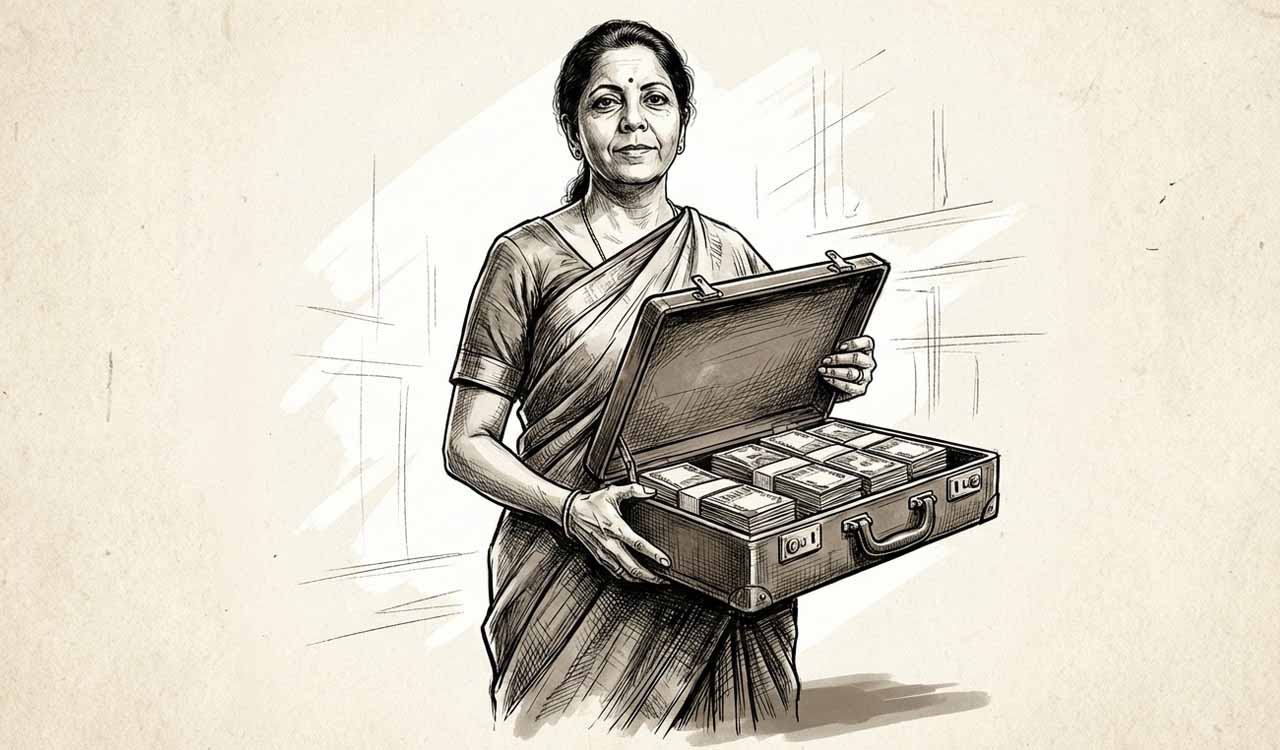


As the Budget Day draws closer, there are several challenges, both internal and external, that need to be addressed head-on to make the Indian economy truly resilient and robust. For Finance Minister Nirmala Sitharaman, who is preparing to present the Union Budget for a record ninth consecutive time, it is a defining fiscal moment amid external headwinds and internal tests. The key challenge is to balance growth with fiscal discipline and provide momentum for fiscal, labour and tax reforms. Though India has been the fastest-growing major economy for several years now, it needs to step up further to escape the middle-income trap and become a developed nation by 2047. The Budget 2026-27 provides an opportunity to bring about greater ease of doing business in the economy. Reforms, especially in terms of eliminating the regulatory excesses in the system, need to be carried out much more quickly compared to the GST restructuring and implementation of the labour codes. Only then will it be possible to push growth to the levels needed to become a developed economy. On the one hand, India’s real GDP growth is projected in the range of 7% to 7.5 %, in contrast to a slowing global economy. On the other hand, the eroding value of the Indian rupee — predicted to touch the 100- mark against the US dollar in the months ahead — poses a complex policy trade-off. A stronger dollar, coupled with tariff-induced capital flows, would increase import bills, exert upward pressure on inflation and complicate fiscal planning.
The government will have to weigh exchange rate realities into Budget forecasts, potentially conservatively estimating both revenue and subsidy costs. Whether Sitharaman opts for a contingency buffer in the Budget to accommodate currency volatility, or leans on structural measures to stimulate exports, will be closely watched by markets and policymakers alike. Trade is the big issue on the horizon in a world with fast-changing alignments due to US President Donald Trump’s maverick economic policies. Given the inordinate delay in finalising the trade pact with America, the Budget will now have to provide support for export-led industries, which could face tough times ahead. The manufacturing sector has not yet expanded sufficiently to absorb unskilled or skilled personnel available in the market. It is here that lessons can be learnt from other Asian economies that have managed to expand small and medium enterprises sufficiently to provide more labour-intensive employment. The Micro, Small and Medium Enterprises (MSMEs) account for a large share of India’s employment and exports, yet they remain vulnerable to credit constraints and volatility. There is a need for greater credit access, technology adoption incentives, and improved digital infrastructure for MSMEs. As India aspires to become a global supply chain hub, as an alternative to China, it needs to reduce the cost of doing business — from rationalising customs duties to reining in logistics costs.
Also Read

Related News