Editorial: Maoist movement in India — a Red sunset on the horizon
While the security operations have been successful in breaking the back of the extremist movement, the government must now prioritise addressing tribal grievances through focused development and outreach



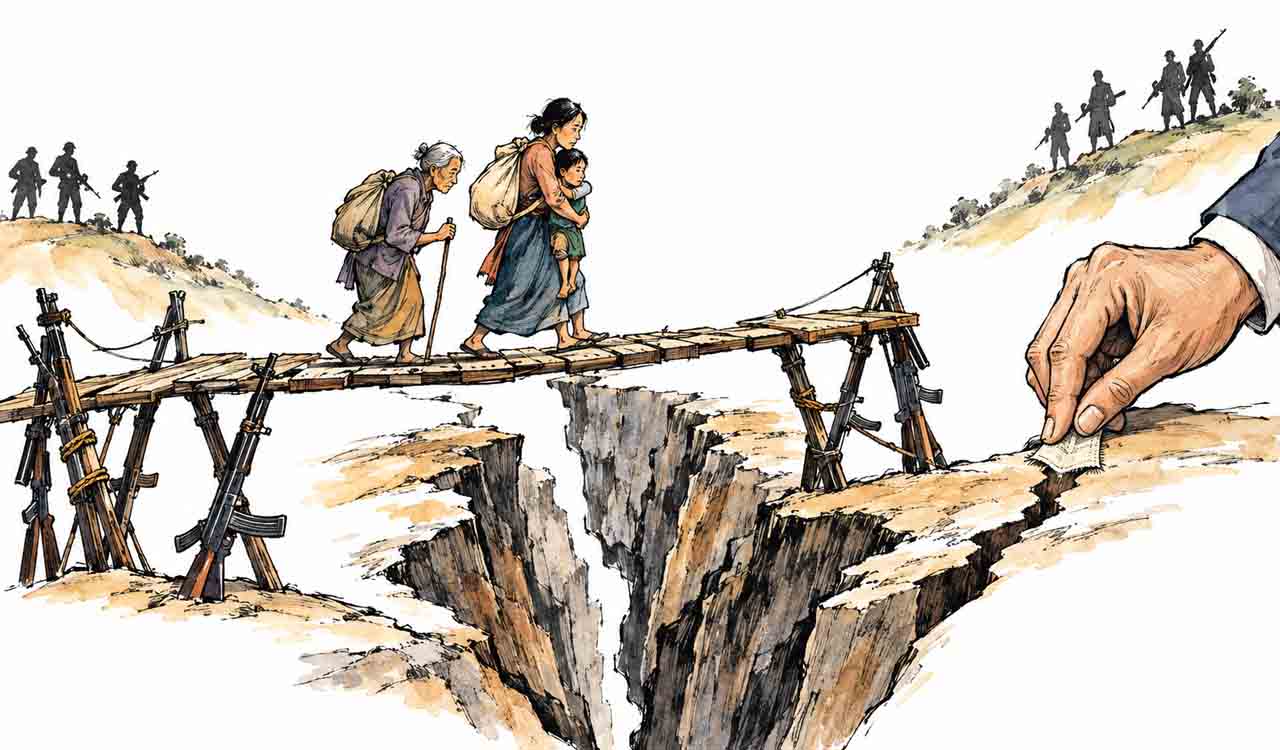
Already on its last leg of survival, the Maoist movement has suffered a string of major blows in recent times, with the killing or surrender of a large number of its senior leaders and the growing irrelevance of naxalite ideology. The surrender of Thippiri Tirupathi alias Devuji, the general secretary of the CPI (Maoists), along with another leader, Malla Raji Reddy, in Telangana, may well be the last straw as the revolutionary movement is now left rudderless. The launch of a massive operation codenamed KGH-2 by over 2,000 personnel, including Cobra and the Central Reserve Police Force, to apprehend top leaders may have prompted the surrender of these top leaders. The latest surrenders would mean that the Politburo and the Central Committee of Maoists have been nearly wiped out. The movement, once claiming to have a pan-India impact, has hit a dead end, crumbling under an unrelenting offensive by the security forces with a determined government offering them only one option: surrender or face annihilation. Union Home Minister Amit Shah had vowed to root out Maoism from the country by the end of March this year. The ideological churn within the organisation and a spate of surrenders by top leaders, including Mallojula Venugopal Rao, who shaped the trajectory of the armed rebellion in the last four decades, signalled that the denouement was near. Once seen as the “gravest internal security threat to India”, as stated by former Prime Minister Manmohan Singh in 2019, the Maoist movement is virtually gasping for breath now.
Most of the Maoist top leadership hail from Telangana, which was once considered the bastion of the naxalite movement. Once a romantic notion that attracted both the restive urban youth on campuses and the underprivileged, and exploited sections in rural areas and gave them a sense of purpose and justice, naxalism has gradually degenerated into a refuge for a clutch of extortionists and trigger-happy vigilantes, indulging in pointless violent attacks and blindly obstructing developmental projects. Indiscriminate killing of innocent people, branding them as police informers, and resorting to the same brutal methods that they often accuse their enemy classes of, public hangings after holding kangaroo courts, killing politicians and policemen, and resorting to extortions have resulted in a steady erosion of public support. The academic and intellectual class, once the mainstay of the Maoist ideology, slowly moved away from it. Leading security experts believe that the latest turn of events may well signal the end of Maoism in the country. While the security operations have been successful in breaking the back of the extremist movement, the government should now focus its attention on addressing the grievances of the tribal communities, especially in Chhattisgarh’s Bastar region. The fight against naxalism has to be on both ideological and security and development fronts. It would not be won unless good quality governance is provided.
Also Read

Related News