Editorial: Pakistan paying for the sins of its past
Ongoing military conflict with Afghanistan has its roots in Islamabad’s duplicitous policy on terrorism: nurturing ‘good terrorists’ to target India while fighting ‘bad terrorists’ who, it alleges, are trained in Afghanistan
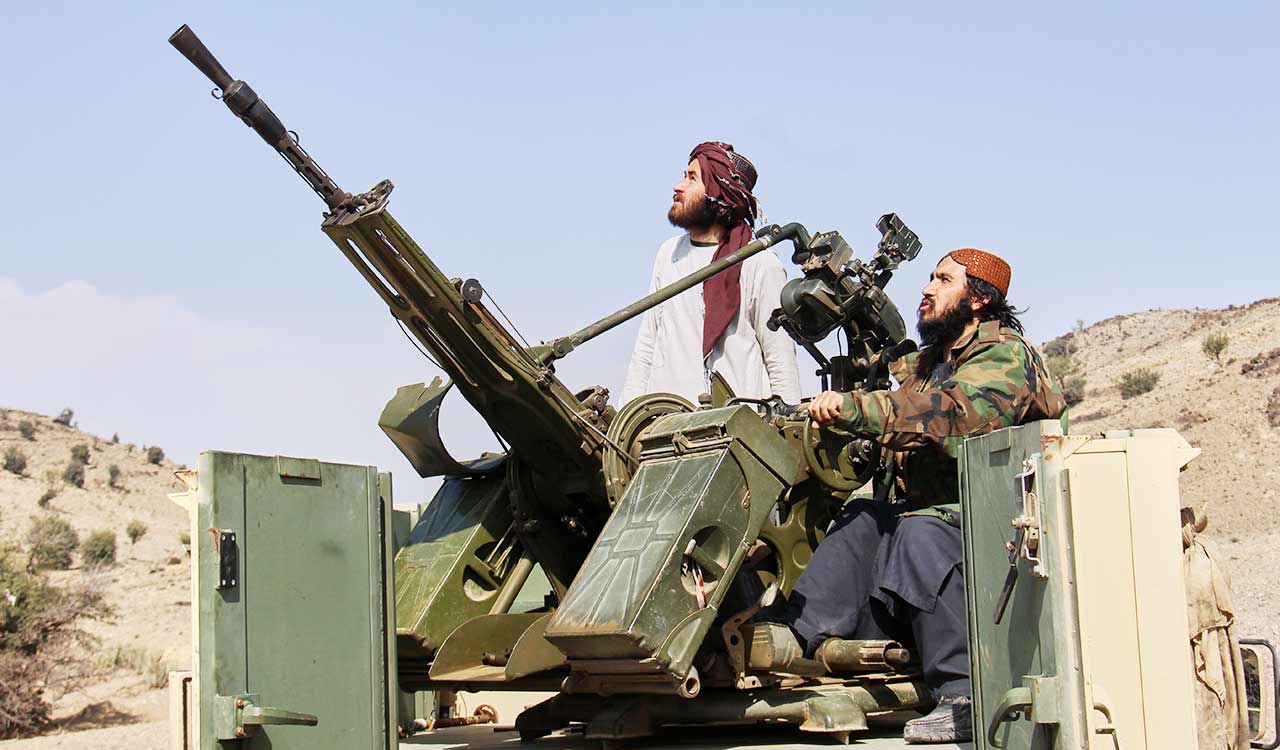


Karma has come back to bite Pakistan hard. The ongoing military conflict with Afghanistan has its roots in Islamabad’s duplicitous policy on terrorism: nurturing ‘good terrorists’ on its soil to target India while fighting ‘bad terrorists’ who, it alleges, are trained in Afghanistan. Its long-standing strategy of using terrorism as an instrument of state policy to inflict a ‘death by a thousand cuts’ on India is proving to be its nemesis. The military bosses in Rawalpindi must realise that the time to pay for their sins has finally come. They cannot take cover under an innocuous-sounding argument that they, too, are victims of terrorism. The latest standoff is the result of simmering tensions between the two countries over a long period, with Islamabad accusing Kabul of backing Pakistani Taliban militants who have been carrying out repeated attacks inside the country. What makes the latest round of Pakistani strikes significant is that they have targeted Taliban government facilities instead of terrorist camps in Afghanistan. In a dramatic escalation of cross-border strikes, Pakistan’s Defence Minister Khawaja Asif has declared an ‘open war’ against Afghanistan, soon after his country carried out airstrikes in Kabul and two other provinces. This was in retaliation for a series of terror attacks in Pakistan, blamed on the Taliban. Kabul has rubbished Islamabad’s allegations that the Afghan Taliban is harbouring terrorists to stage attacks on Pakistan. Afghanistan, on the other hand, has often accused Islamabad of providing “safe havens” to ISIS fighters in Balochistan and Khyber Pakhtunkhwa.
Afghanistan’s Taliban authorities have claimed that at least 55 Pakistani soldiers were killed in cross-border fighting after Pakistan carried out airstrikes in Kabul and other Afghan cities — one of the most serious flare-ups between the neighbours in years. They also announced that 19 check posts were captured, and several Pakistani soldiers taken prisoner, a claim denied by a Pakistani government spokesperson, who said 133 Taliban fighters were killed, more than 200 wounded, and dozens of posts destroyed or captured. For decades, Islamabad nurtured the Taliban for strategic reasons and provided military assistance. Now, the same group has turned against it. The irony is too obvious to ignore. Pakistan now faces a dual Taliban challenge: The Tehreek-e-Taliban Pakistan (TTP), which operates against Islamabad from areas along the Afghan-Pakistan border, and the Taliban regime that has been in power in Afghanistan since 2021. Relations between Islamabad and Kabul have soured since the banned TTP stepped up operations against Pakistani military and police forces. When the Taliban took over Afghanistan nearly five years ago, influential sections within the Pakistani military establishment celebrated the development. But things started deteriorating soon, with the Taliban moving away from an image of being overly dependent on Pakistan’s military, which had supported the group for decades. A visible manifestation of this shift was the Taliban’s refusal to crack down on the TTP.
Also Read

Related News