Editorial: Confident China rebuffs Trump’s charm offensive
The Trump-Xi summit highlighted China’s growing assertiveness and America’s strategic uncertainty
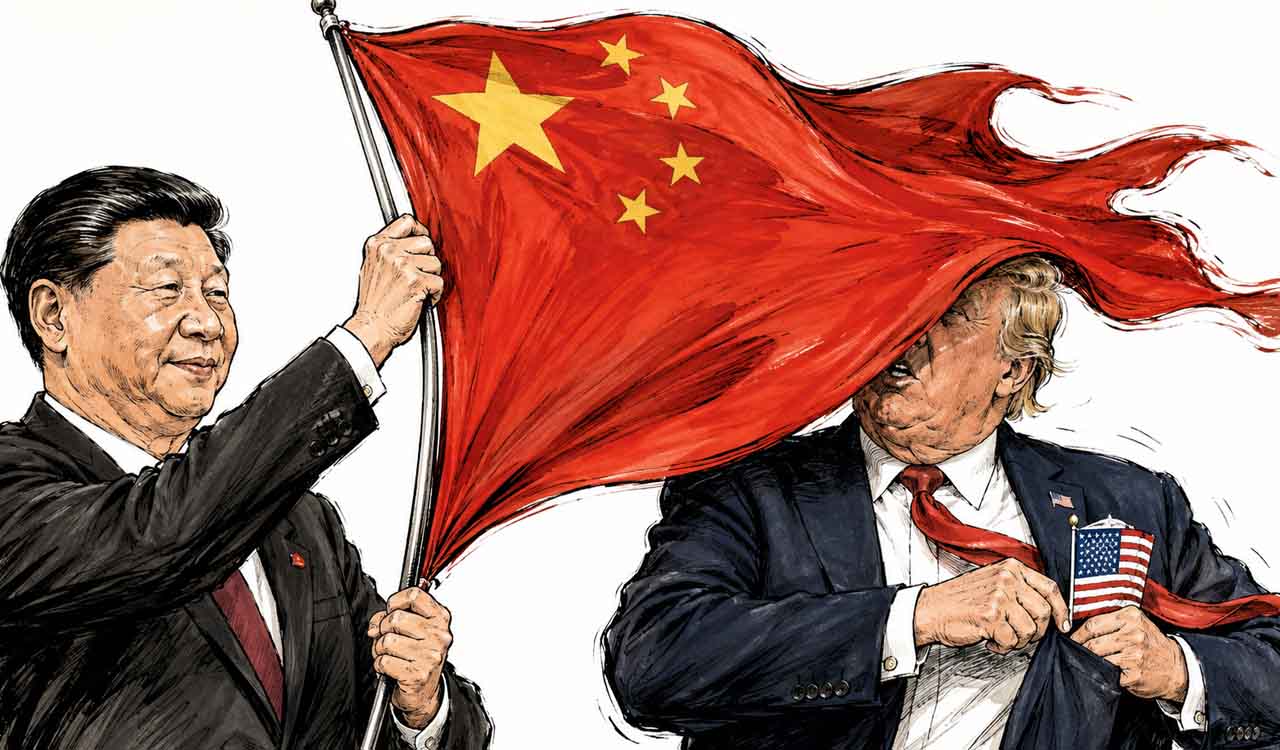


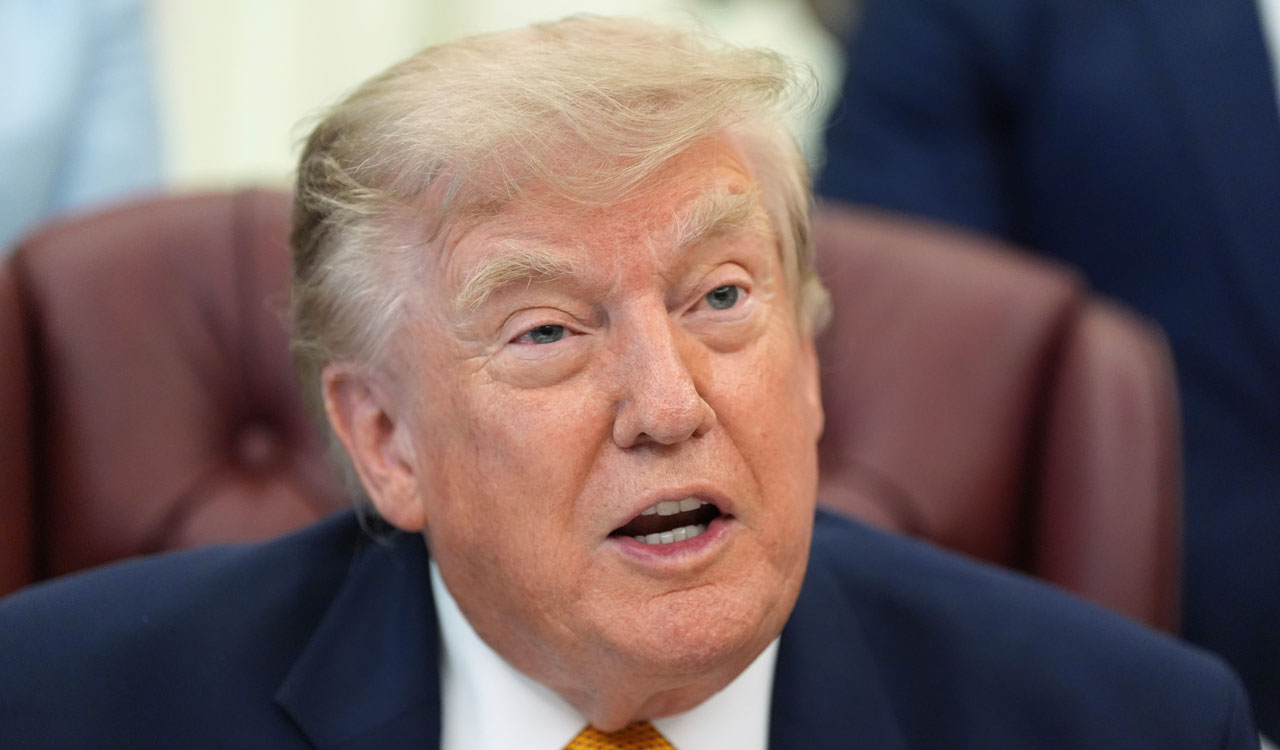
Billed as the most consequential summit of the two major global powers in recent times, the meeting between United States President Donald Trump and his Chinese counterpart Xi Jinping was high on optics and pageantry but low on substance. However, an important message that emerged from the much-hyped summit is that Beijing is assertive and confident about engaging with Washington on equal terms. Rooted in pragmatism in an increasingly interdependent global economy, China has effectively demolished the Western narrative that it was still an emerging power seeking validation from the America-led global order. The Trump-Xi summit successfully demonstrated parity in engagement, symbolic of two equals handling the task of managing global stability together. This altered geopolitical reality was reflected in the contrasting styles of the two leaders. Trump, who routinely mocks and berates even the long-standing allies as freeloaders, changed his tune and adopted a deferential posture towards Xi, calling it a great honour to be his friend. And, he made no mention of China’s human rights abuses within the country or repression in Tibet or Hong Kong, a move that was unthinkable for any visiting American president in the past. Xi, on the other hand, virtually read the riot act and made it clear that mishandling Taiwan–a self-ruled island that China claims as part of its territory–would put the US-China relationship in great jeopardy. While Trump seemed intent on showing off a personal bond with the Chinese leader, the latter appeared far more focused on advancing his own nation’s strategic agenda.
More importantly, Beijing has demonstrated that interdependence cuts both ways. It had retaliated against Trump’s escalated tariffs by tightening rare-earth exports, exposing America’s acute dependence on Chinese supply chains. The US economy, claimed to be the world’s strongest, now looks vulnerable to industrial choke points controlled by Beijing. Despite months of buildup, the summit failed to reach any concrete agreement. There was no major progress on the Middle East, trade, Taiwan, nuclear proliferation, artificial intelligence or any of the other myriad issues that are sources of friction between the world’s two superpowers. The summit demonstrated the growing confidence of China on the world stage alongside a strategically muddled US foreign policy under Trump. For instance, West Asia remains in a state of flux following the Iran war. The ongoing conflict has forced the closure of the Strait of Hormuz, triggering the most severe global energy shock in years and giving Beijing unusual leverage over economies desperate for stable supply chains. America’s image has been diminishing rapidly on the global stage. In his final remarks in Beijing, Trump did claim that the US and China struck “fantastic trade deals” but details were hard to come by. The carefully choreographed summit—attended by tech honchos including Elon Musk, Tim Cook and Jensen Huang — was more performative than substantive.
Also Read

Related News