Editorial: The loneliness of being Mamata didi
For all her reputation as an indefatigable fighter, Mamata Banerjee now looks vulnerable and clueless as rebellion erupts within the TMC
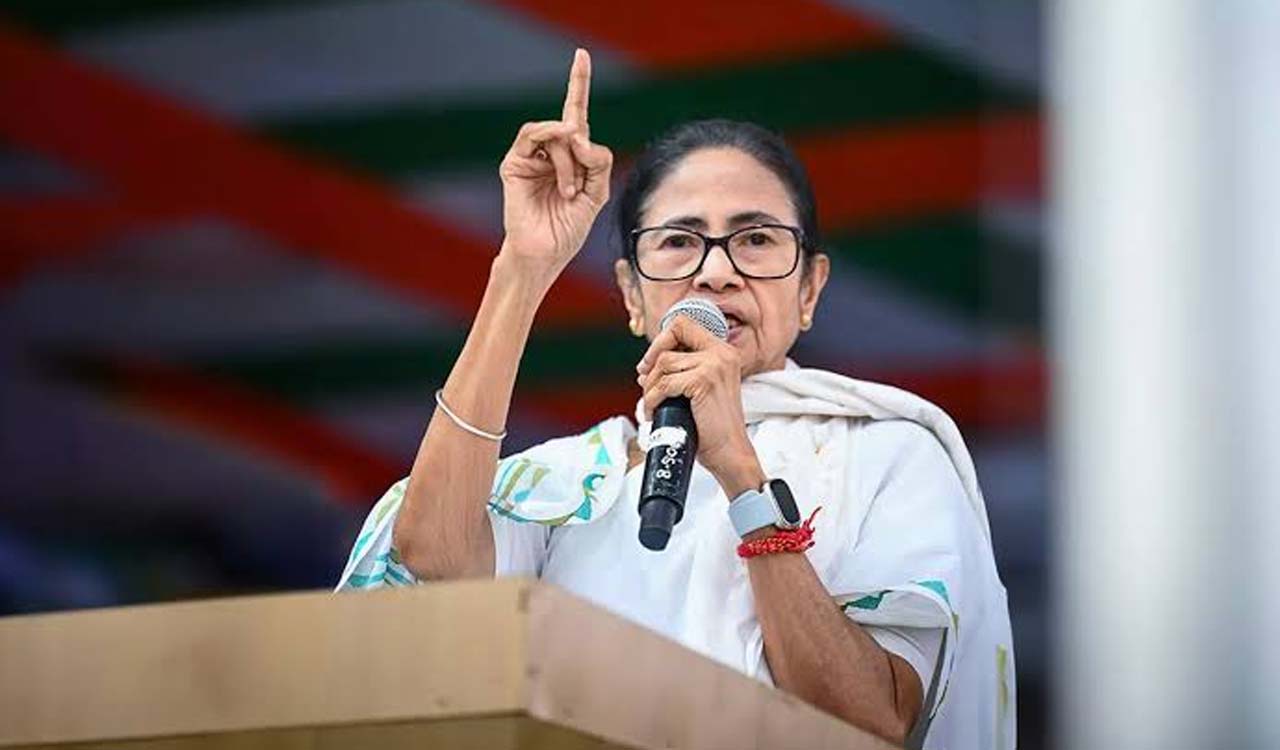


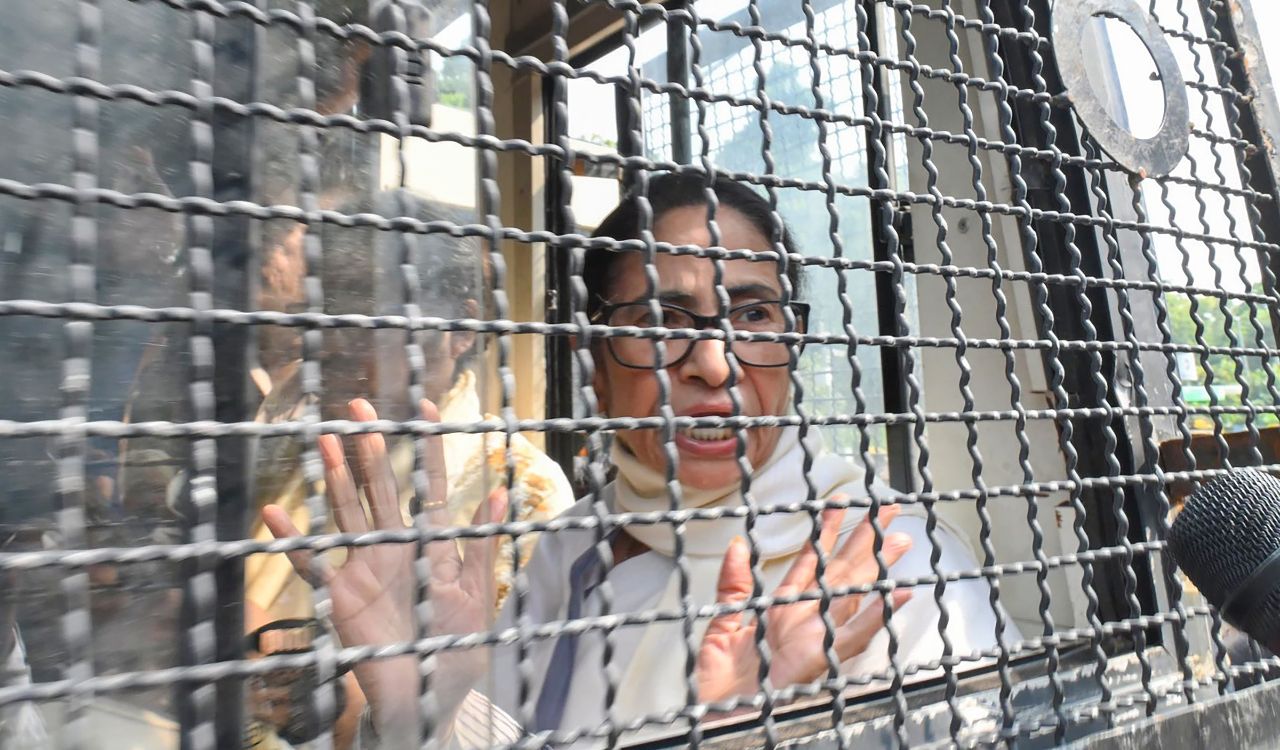
It took just one electoral defeat for the Trinamool Congress — long seen as an impregnable fortress — to come crashing down. For all her reputation as an indefatigable fighter, Mamata Banerjee now looks vulnerable and clueless amid large-scale desertions from a party that she ran with an iron fist for nearly 28 years. Her 15-year-long unchallenged dream run of ruling West Bengal came to a crashing halt in the recent Assembly elections with the BJP capturing power for the first time since independence. It did not take long for internal dissensions within the regional party to turn into a full-blown revolt against the leadership. The rebels have started jumping ship, pushing the TMC into an existential crisis. A vertical split looks imminent with the party heading the Shiv Sena way, as the dramatic developments appear to be a virtual repeat of what happened in Maharashtra. As many as 20 of the 28 TMC MPs, led by senior party leader Kakoli Ghosh, have written to Lok Sabha Speaker Om Birla, saying they want to be part of the BJP-led NDA. This is a massive blow to Mamata as she grapples with the enormity of the electoral loss and the uncertainty over her future role at the national level in the anti-NDA opposition bloc. With 20 MPs ready to exit, the dissident camp appears to have crossed the two-thirds threshold required under the anti-defection law’s merger provision. If recognised by parliamentary authorities, the group could seek protection from disqualification under the Tenth Schedule.
The embarrassing development could not have come at a more inopportune time for Mamata, as she was in the national capital to attend the crucial I.N.D.I.A bloc meeting. The parliamentary revolt comes shortly after Ritabrata Banerjee led a rebellion within the TMC’s legislative wing and was recognised as the Leader of the Opposition in the Assembly after securing the support of 58 of the party’s 80 MLAs. The internal unrest is largely driven by pent-up anger against the heavy-handed centralisation of power and alleged nepotism surrounding Mamata’s nephew, Abhishek Banerjee, who is the party’s all-powerful general secretary. The TMC, founded in 1998 after splitting from the Congress, was built entirely around Mamata’s personal charisma. Her autocratic style of functioning did not go down well with the cadre. She also failed to read the writing on the wall, particularly the growing internal resentment over Abhishek Banerjee’s leadership. The latent anger was only waiting for an opportune time to explode into a full-fledged revolt. The poll defeat provided that opportunity. The rumblings first started at the State level when a majority of the party’s MLAs refused to accept Mamata’s choice of Sovandeb Chattopadhyay as the Leader of the Opposition in the Assembly. This meltdown has now shifted to Delhi, with a majority of the MPs joining the rebel camp.
Also Read

Related News