Editorial: High hopes on Doval’s China visit
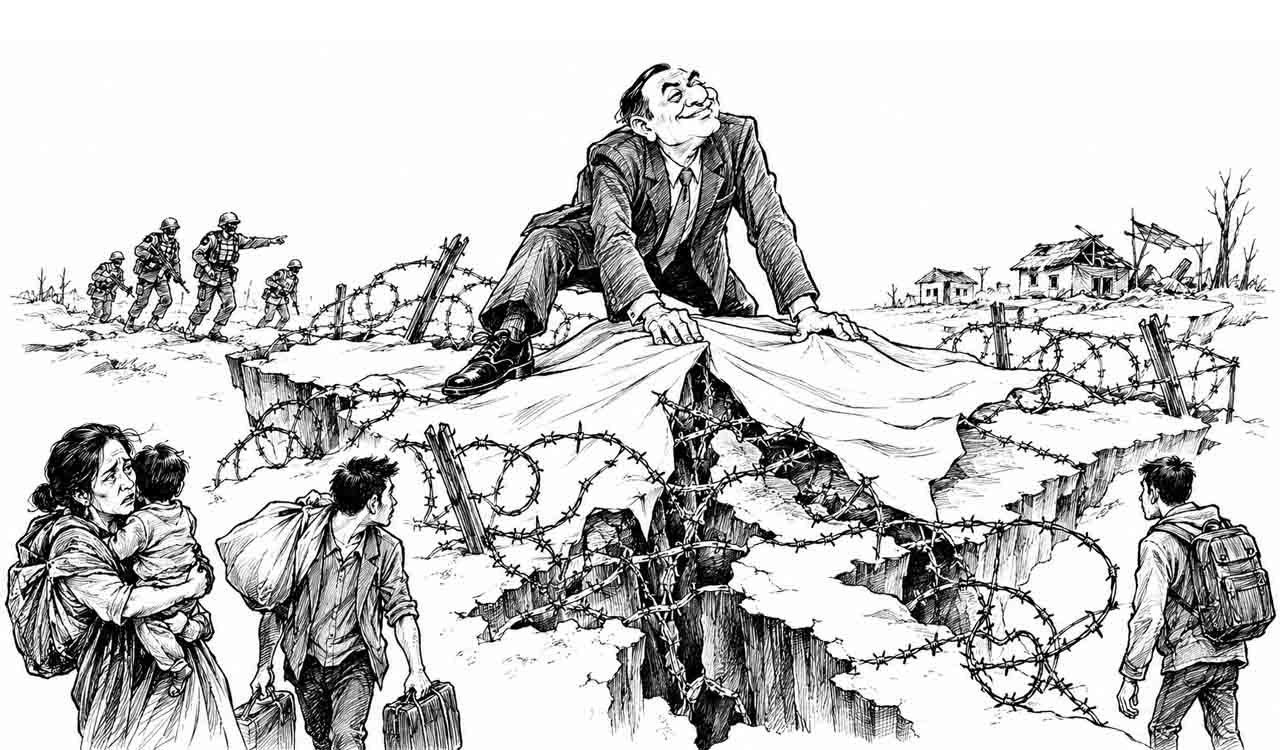
Though it is premature to see Ajit Doval’s engagement with China’s top leadership as a sign of an imminent boundary settlement, it does suggest that the two countries are moving from confrontation towards conciliation
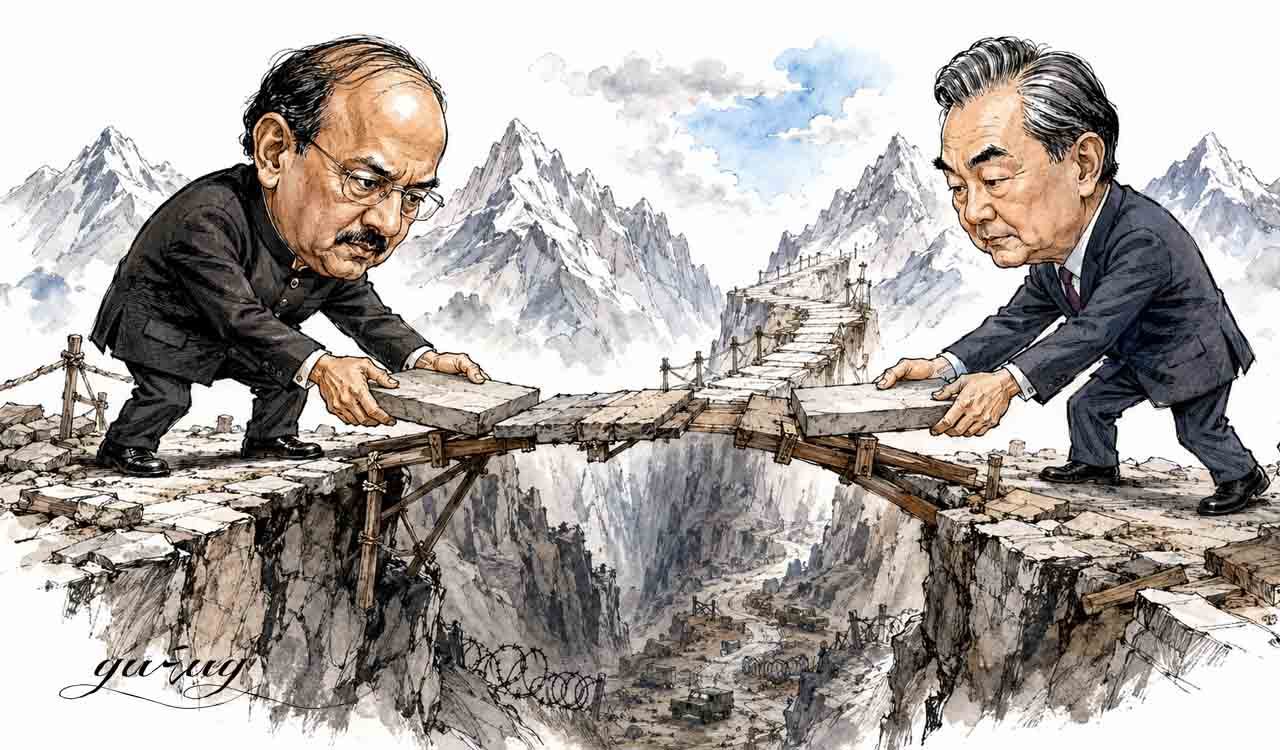


National Security Adviser Ajit Doval’s visit to China to participate in the 25th round of Special Representatives talks on the boundary issue is significant for its optics, timing and long-term diplomatic implications. While it would be premature to interpret Doval’s engagement with China’s top leadership as evidence that both countries are close to settling their 75-year-old boundary dispute, it surely is a sign that they are moving from confrontation towards conciliation. Doval also had an in-depth discussion with China’s foreign minister, Wang Yi, on the boundary issue and other bilateral matters. The two Asian neighbours have been nursing a strained relationship since the 2020 Galwan Valley clash and the prolonged military stand-off in eastern Ladakh. But both sides have since taken steps to stabilise relations and held multiple rounds of talks. Doval and Wang are the designated Special Representatives for the boundary talks mechanism, which was established in 2003 to comprehensively address the boundary dispute spanning over 3,400 kilometres. In August last year, the two sides held the 24th round of Special Representatives’ talks, during which they reached several common understandings. If the talks lead to an arrangement that prevents another Galwan and restores predictable patrolling across the Line of Actual Control (LAC), they would constitute a significant success. Expectations about the outcome must be set realistically, given past experience. The LAC has never been mutually delineated on maps in its entirety.
Consequently, both armies have differing perceptions of where it lies, creating the possibility of face-offs. The Galwan Valley clash, in which 20 Indian soldiers were killed, shattered four decades of relative peace along the LAC. China subsequently made several attempts to alter the status quo in eastern Ladakh. India responded with large-scale troop mobilisation. The result was an unprecedented military deployment on both sides. The two armies subsequently negotiated disengagement at several friction points, including Pangong Tso and Gogra-Hot Springs. However, it must be noted that disengagement is not the same as the settlement of the border dispute. Large military formations and infrastructure remain, as the two sides have not reached agreement on the alignment of the LAC or the final boundary. The asymmetry of stakes, layered on a trust deficit Galwan made permanent, means both sides must now negotiate for stability rather than settlement. Doval’s visit comes ahead of a potentially significant diplomatic engagement between Prime Minister Narendra Modi and Chinese President Xi Jinping. Xi’s expected visit to New Delhi for the BRICS summit on Sept 12-13 could provide an opportunity for the two leaders to meet on the sidelines and discuss measures to take forward bilateral relations. The Modi-Xi meeting at the Kazan BRICS summit in October 2024, the restoration of the Special Representatives dialogue, Wang Yi’s visit to India in August 2025 and subsequent high-level contacts have gradually rebuilt political communication.
Also Read

Related News