Editorial: Indian Railways—basic amenities off track
The Railways presents a curious paradox: while it has excelled in expanding its networks, it continues to fail passengers on the basics
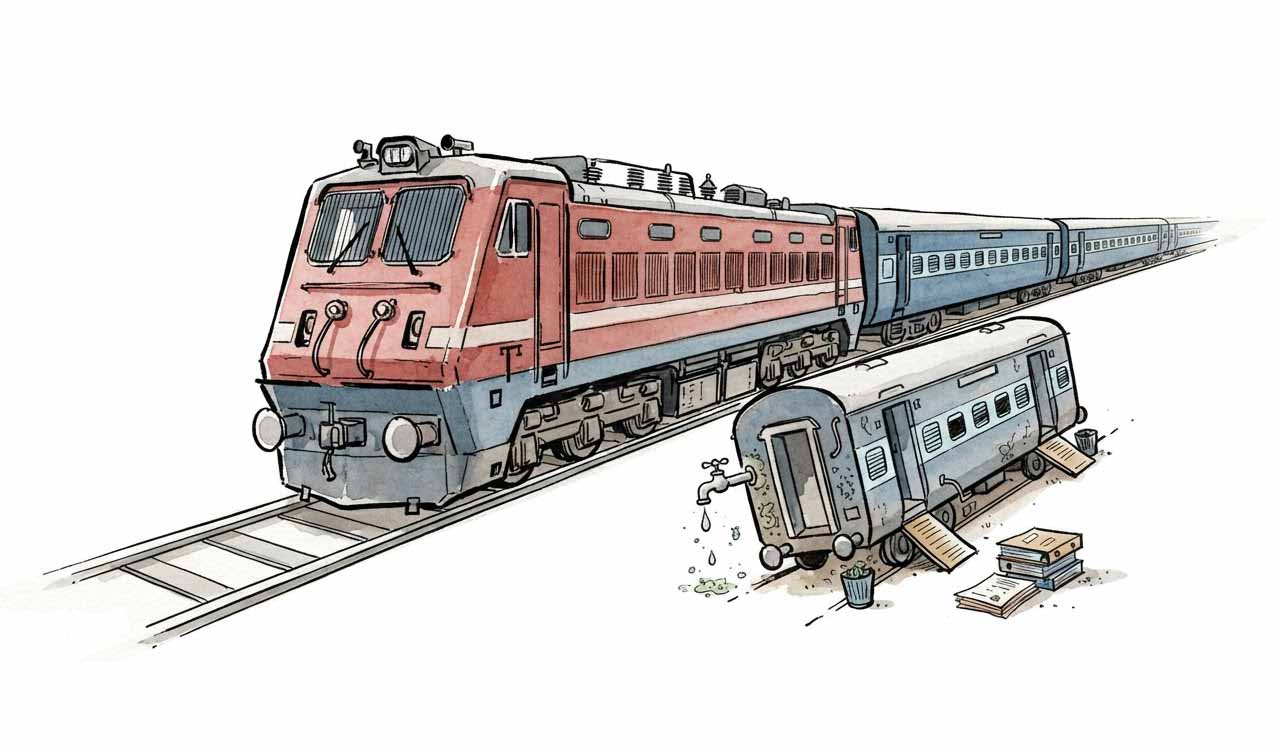


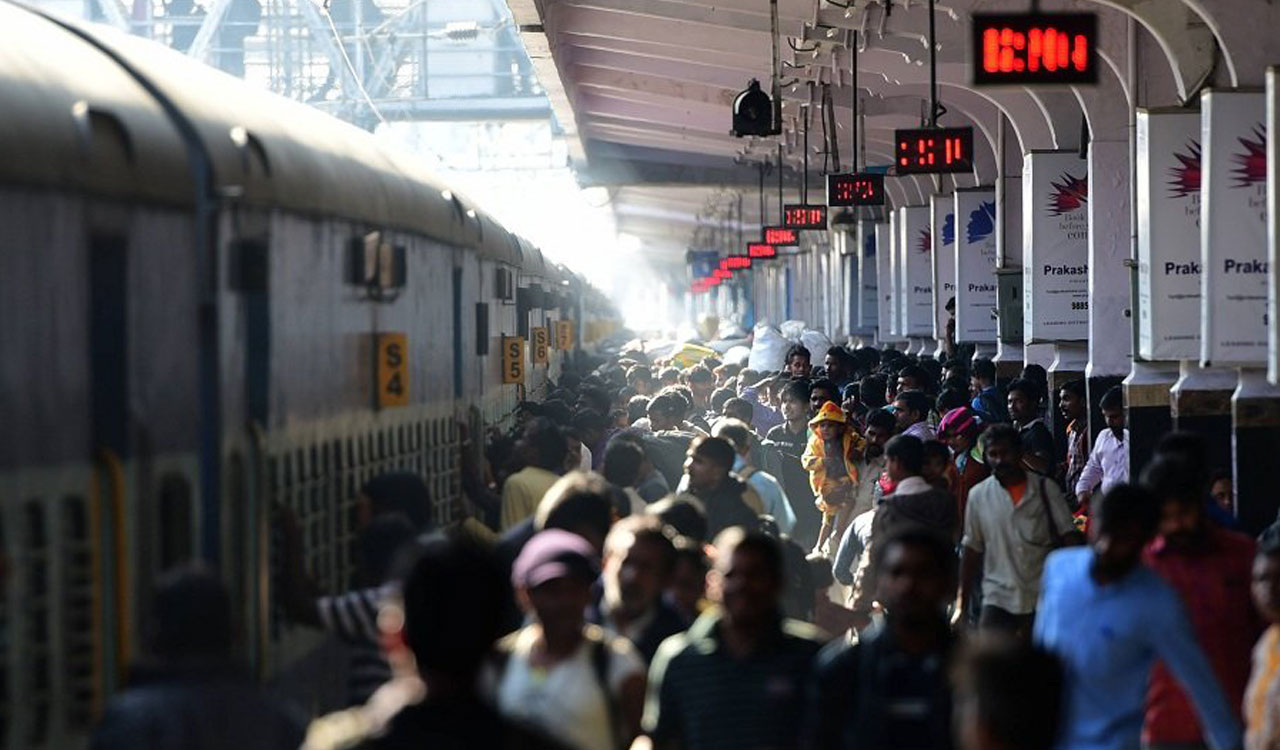
A train journey in India is often romanticised by writers for providing a glimpse of stunning diversity, but a closer look at the condition of railway stations and passenger amenities tells a different story. A story of neglect, callousness and inefficiency. Whether it is in cleanliness, hygiene, infrastructure, safety or punctuality, Indian Railways fares poorly. The latest report of the Comptroller and Auditor General (CAG) paints a grim picture of the Railways and shows that the country’s busiest public spaces continue to fail passengers on the basics. The findings expose systemic gaps in safety, sanitation and service delivery across a network that carries 292.4 crore non-suburban passengers annually through 5,908 stations and over 7,424 daily passenger trains. The audit of 512 stations across all 16 railway zones found that 458 stations, constituting 89%, lacked one or more mandatory Minimum Essential Amenities. Only 54 stations met the prescribed standards. Even premier stations such as New Delhi, Howrah and Chhatrapati Shivaji Maharaj Terminus showed serious deficiencies. The Railways presents a curious paradox: while it has excelled in expanding the networks and become much better at building new assets, it continues to be poor at maintaining, operating and managing existing assets to high standards. The most alarming finding of the CAG concerns public health. Drinking water samples from platform taps tested positive for total coliform bacteria, including E. coli, at 49 stations in 2022-23 and 56 stations in 2023-24.
Further, bacteriological tests other than total coliforms were found to be unsatisfactory at eight stations across four zones in 2022-23 and 11 stations across five zones in 2023-24. The auditor also found that chemical testing of drinking water was not conducted by health inspectors at 179 stations across 11 railway zones. At another 77 stations in six zones, the tests were not carried out as frequently as required. As per the prescribed rules, drinking water should be tested twice a year. The fact that unsatisfactory test results were reported at different locations on multiple occasions indicates that the Railways needs to work out a more effective system to ensure provision of safe drinking water to passengers at all stations. Despite significant spending on station cleaning, sanitation remained inadequate at several stations. The Railways must strictly follow the prescribed protocols for inspecting water supply systems and testing drinking water quality. The audit also exposed chronic neglect of passenger facilities. Accessibility remained poor, with deficiencies in ramps, tactile pathways and accessible toilets. Perhaps the most damning finding is that this is not merely a funding problem. Between 36% and 44% of the passenger-amenity budget remained unspent for five consecutive years.
Also Read

Related News