Editorial: Indore tragedy, a national shame
The Indore tragedy illustrates how municipal inertia stymies attempts to modernise infrastructure even in India’s cleanest city
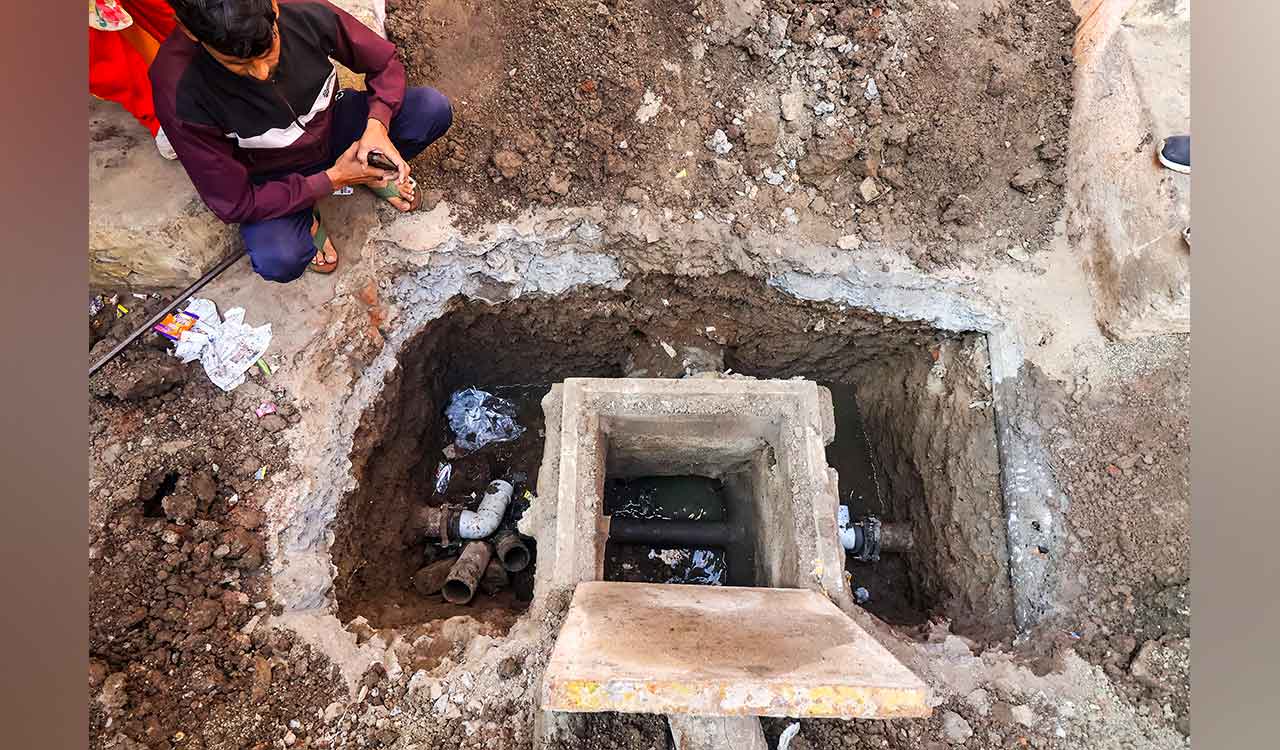


It is a macabre irony that Indore, long hailed as India’s cleanest city and a role model for urban sanitation, is in the grip of a serious public health emergency following an outbreak of waterborne bacterial disease that has left at least ten people dead. The sewage-contaminated drinking water was the culprit for the diarrhoea outbreak. Leakage in the main drinking water supply pipeline has exposed thousands of residents in the Bhagirathpura area to a public health hazard. The crisis has exposed serious lapses in water supply monitoring and civic accountability. The first signs of trouble emerged last month when residents noticed an unusual foul smell, bitter taste and visible discolouration in the municipal drinking water supplied to the locality. Despite repeated complaints to civic authorities, no immediate corrective action was taken. Soon after consuming the contaminated water, large numbers of people began experiencing vomiting, diarrhoea, dehydration and high fever, triggering panic and a rush to nearby hospitals. This is clearly the outcome of administrative negligence, and the Madhya Pradesh government should not shy away from taking strict action against officials at all levels. The sorry state of affairs has compelled the National Human Rights Commission and the State High Court to intervene. The troubling truth is that the authorities tasked with protecting the health of citizens swung into action only after lives were lost. The Indore deaths have sparked an uproar and put the BJP government on the defensive. The ‘double-engine’ governments in Delhi and MP have woefully failed on this front.
The malaise of water contamination, however, is not confined to Indore; it’s a nationwide phenomenon. The disease outbreaks due to waterborne bacteria have been reported from several cities, including Bengaluru, Chennai, Delhi, Kochi and Bhopal, in the past two years. They are a grim reminder that a piped supply is not an assurance against contamination. Formation of inquiry committees, announcement of compensation and suspension of junior officials have become all-too-familiar exercises in damage control. Water supply in a large number of cities continues to rely on pipelines laid in colonial times or in the immediate years after Independence. Indore’s water supply network, for instance, is 120 years old. Despite lofty claims about urban infrastructure development, water contamination still remains a major public health concern in India. The World Health Organization (WHO) highlights that ingestion of unsafe water can lead to diseases such as bacterial gastroenteritis, cholera, typhoid, and dysentery, which are significant contributors to illness and death in vulnerable populations. The Supreme Court has repeatedly asserted that the right to a healthy environment is part of the fundamental right to life under Article 21. The Indore tragedy illustrates how municipal inertia stymies attempts to modernise infrastructure even in India’s cleanest city. Cleanliness rankings, smart city labels, and governance slogans cannot mask systemic neglect. A rapidly urbanising country deserves better urban administration.
Also Read

Related News