Editorial: Manipur, the festering wound
Security operations cannot heal Manipur’s wounds unless authorities protect civilians, ensure justice, and rebuild trust across divided communities. Peace must take precedence over political posturing
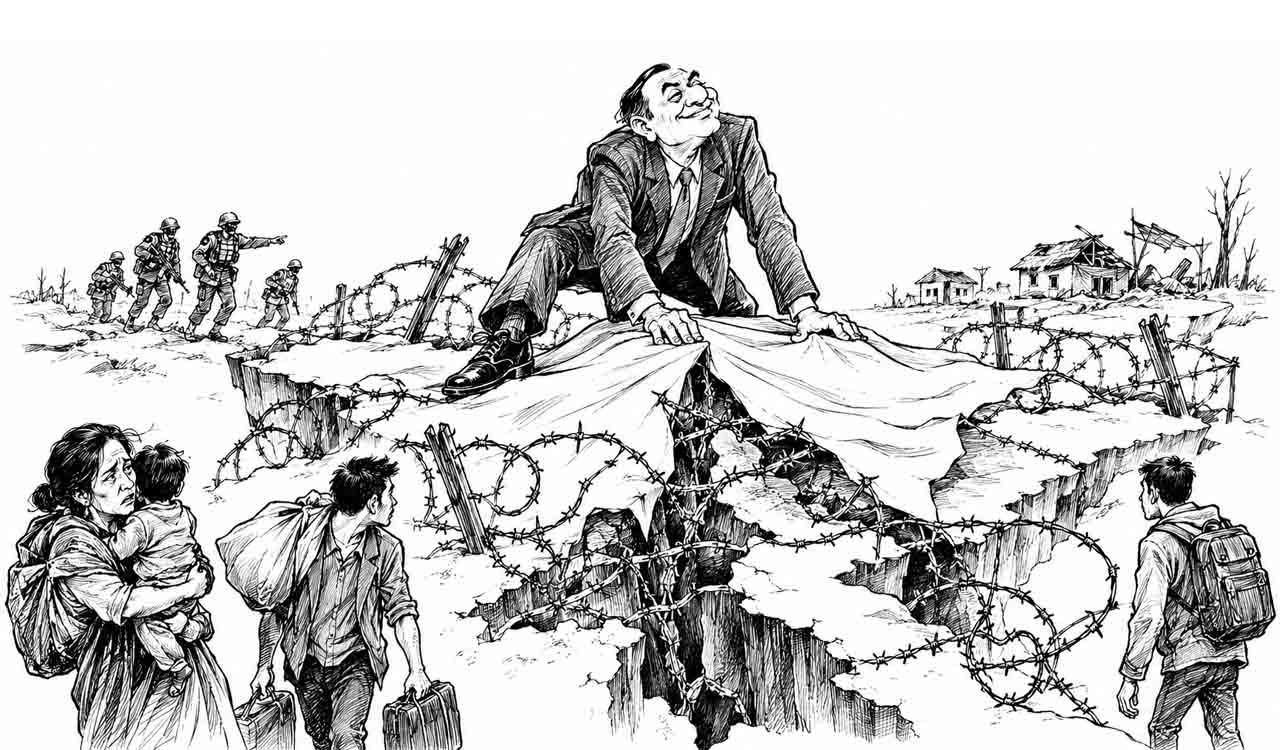


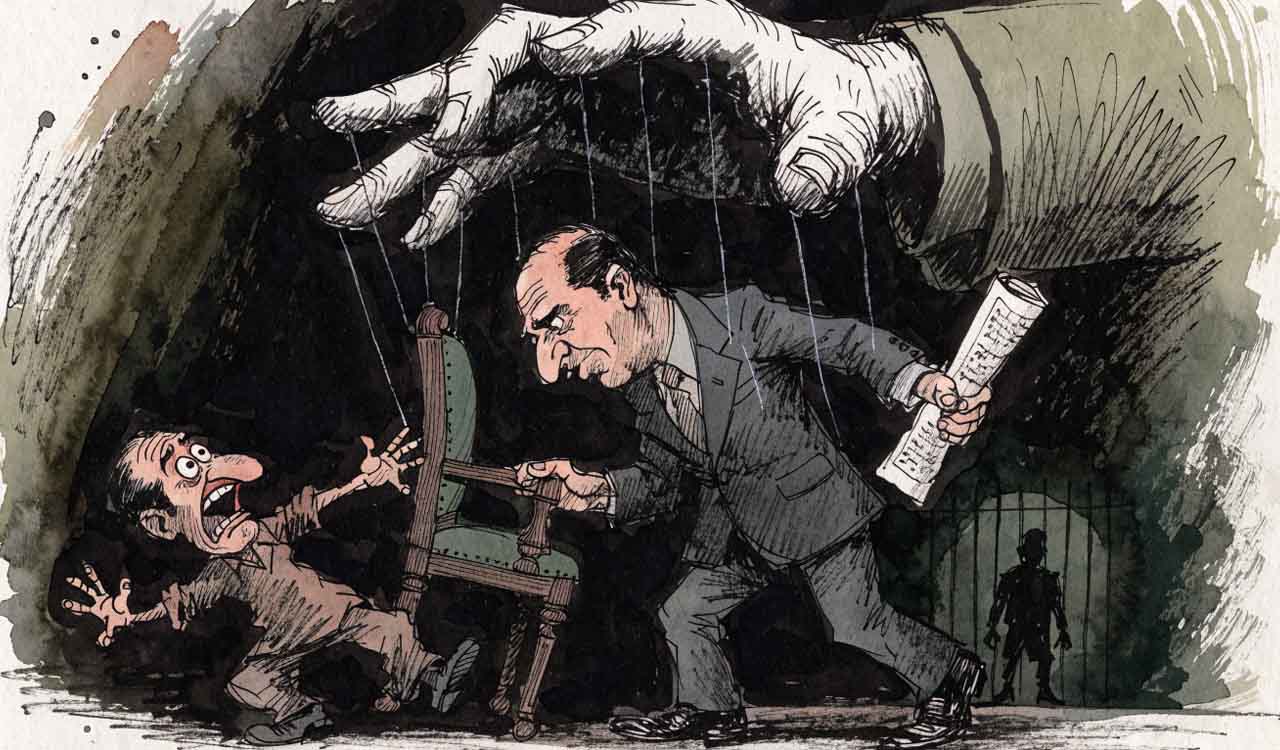
Not long ago, there was an air of optimism in strife-torn Manipur following the restoration of a popular government with fair representation for the warring ethnic groups. However, the euphoria has turned out to be short-lived, and the violence and grief have returned to the sensitive north-eastern State. A fresh wave of attacks and counterattacks has battered the State, raising questions about the effectiveness of law enforcement agencies and political initiatives. The latest incident involved an ambush targeting a group of Meitei men, leaving three dead. The attack, followed by protests and a 48-hour strike across five valley districts, reflects deepening public anger and growing insecurity. The killings come amid an all-round deterioration in law and order. Clashes in Thoubal district claimed another life, while an improvised explosive device injured three CRPF personnel in Imphal West. Reports of houses being torched and civilians fleeing their homes in Kamjong district further underline the scale of the crisis. The ethnic strife that began in May 2023 has claimed at least 300 lives and displaced thousands. The spiralling violence serves as a grim reminder of the widespread ethnic fault lines in the sensitive region that could flare up at any time. The crisis can no longer be seen as a battle zone confined to two communities—Meiteis and Kukis. It has evolved into a broader conflict involving Nagas and Kukis as well, spreading across Ukhrul, Kamjong, Senapati and Kangpokpi, and opening a new and more difficult front for the administration.
While Chief Minister Y Khemchand Singh has directed officials to strengthen security in vulnerable areas and continue joint operations involving State police and Central security forces, security deployment alone cannot bring lasting peace. Its effectiveness must be judged by whether civilians are protected and perpetrators are brought to justice. The strife-torn State is looking for a political initiative to find a lasting solution to the ethnic divide. The opposition Congress has demanded the Chief Minister’s resignation, alleging failure to restore normalcy. While political accountability is essential, the issue cannot be reduced to a game of political one-upmanship to score brownie points. There is an urgent need to prevent further bloodshed. Authorities must conduct impartial investigations, act on credible intelligence, curb the spread of inflammatory rumours and ensure that relief reaches displaced families. It is also important to foster sustained dialogue among Meitei, Kuki, Naga and other communities affected by the violence. Collective blame and retaliatory attacks will only deepen mistrust and prolong suffering. With Assembly elections just a few months away, restoring peace must take precedence over political posturing. The Central and State governments must demonstrate that protecting every citizen is their foremost responsibility. The people of Manipur deserve to live without fear. The State remains deeply fractured, with invisible borders and fortified ethnic zones, making day-to-day reconciliation exceedingly difficult.
Also Read

Related News