Editorial: Task cut out for Manipur’s new CM Khemchand Singh
The Meitei–Kuki-Zo divide remains deep, and rebuilding trust will test the new State government
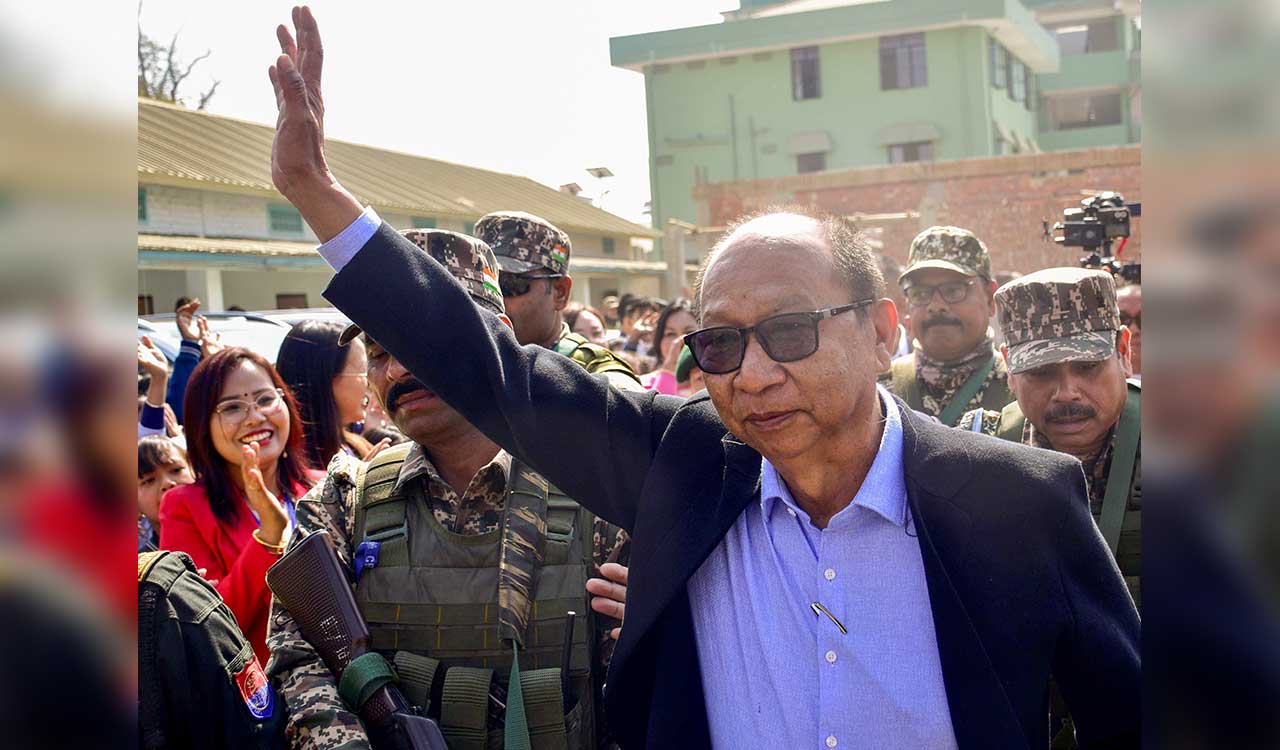


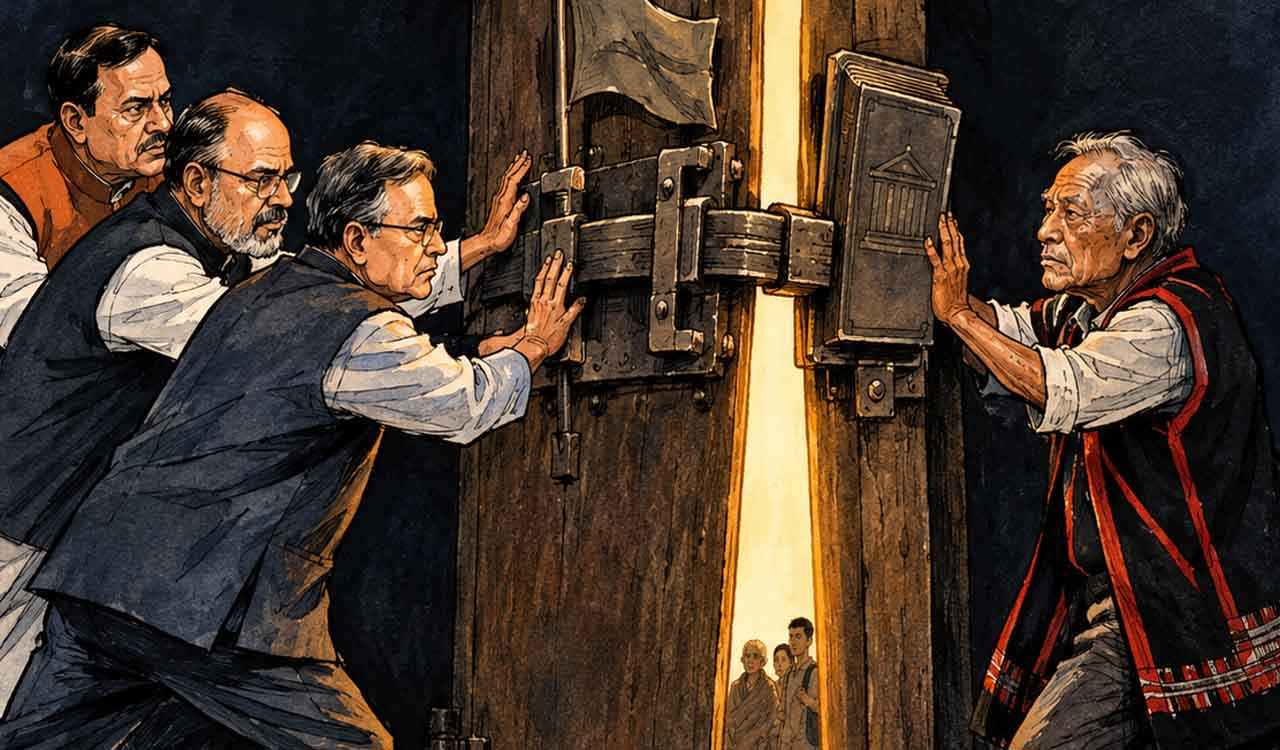
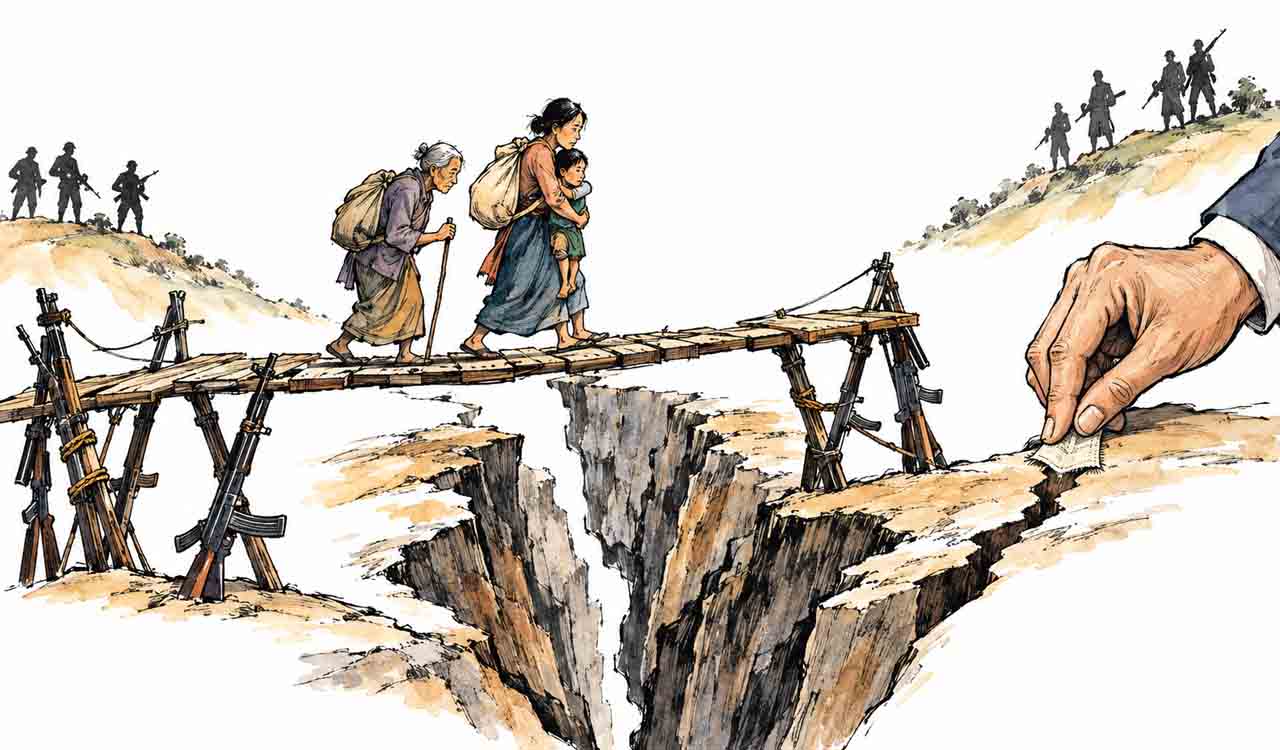
The restoration of popular government in Manipur is a political gamble worth taking in a State torn apart by ethnic strife and desperate for lasting peace. Yumnam Khemchand Singh of the BJP took charge as the 13th Chief Minister, nearly a year after the much-discredited N Biren Singh resigned from the post, paving the way for the President’s rule. The appointment of two Deputy Chief Ministers — Nemcha Kipgen from the Kuki-Zo community and Losii Dikho of the Naga People’s Front — serves a symbolic purpose in a State that has witnessed extensive bloodshed over the past two-and-a-half years. Khemchand Singh has his task cut out as the deep wounds of the State need a healing touch. The bitter divide between the warring Meitei and Kuki-Zo communities has not yet been bridged. It will be a Herculean task for the new government to regain the trust of aggrieved stakeholders. Ethnic violence has claimed over 260 lives and displaced thousands of people in the key north-eastern State since May 2023, after tribal groups in the hills rose up against a High Court order directing the then Biren Singh government to consider granting Scheduled Tribe status to the majority Meitei community. The root cause of the ethnic conflict — the tussle over the majority Meitei community’s demand for Scheduled Tribe status — must be addressed on priority to regain the trust of Kukis and Nagas. The Centre has no time to lose — Manipuris have already waited too long for the healing touch.
A political solution involving civil society is the only way forward. Manipur, like most of north-eastern India, is an amalgamation of multiple cultures, faiths and ethnicities, many with a history of mistrust and violence. The arrangement of having a Meitei CM and one deputy CM each from the Kuki and Naga communities is clearly aimed at signalling inclusivity. However, the symbolism will be put to the test on the ground. Protests in Kuki-Zo-dominated districts like Churachandpur, demanding a “political solution” before government formation, lay bare a lingering sense of alienation and fear. The Kuki-Zo Council, a leading civil society organisation in Manipur, has urged all MLAs belonging to the community to “respect the collective will, sentiments, unity and political aspirations of the Kuki-Zo people”. The subtle warning to these legislators is that they should be ready to face the consequences if they choose to join the government. A tripartite agreement in September last year between the Centre, Manipur government and Kuki-Zo insurgent groups provided a ray of hope for restoring peace and normalcy in the strife-torn State. With a year left for the Assembly elections, the BJP is keen to project a rosy picture. However, the Kuki-Zo demand for a separate administration — a Union Territory with a legislature — might impede efforts to restore normalcy. The new dispensation must make reconciliation and consensus-building its top priorities.

Related News