Editorial: Nepal floods—cascading hazards
Nepal’s devastating flash floods warn of mounting climate risks across the Himalayas, underscoring the urgent need for stronger preparedness and regional cooperation
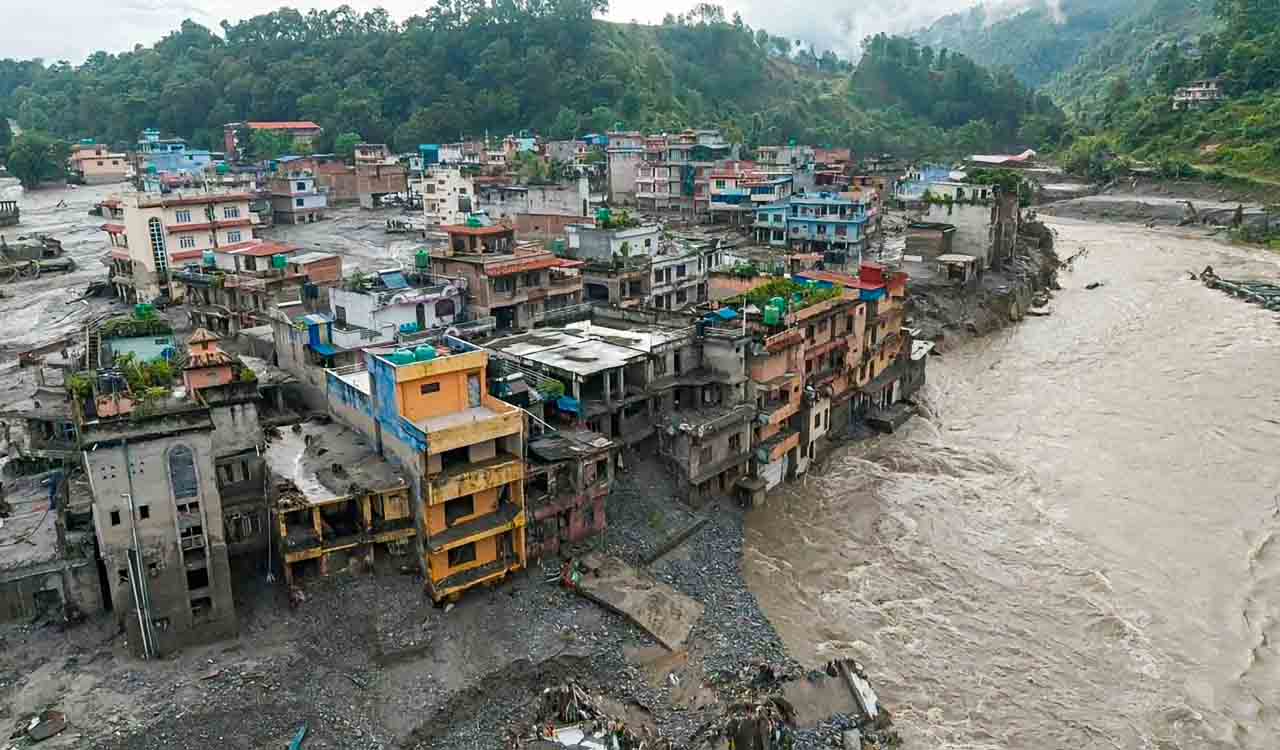


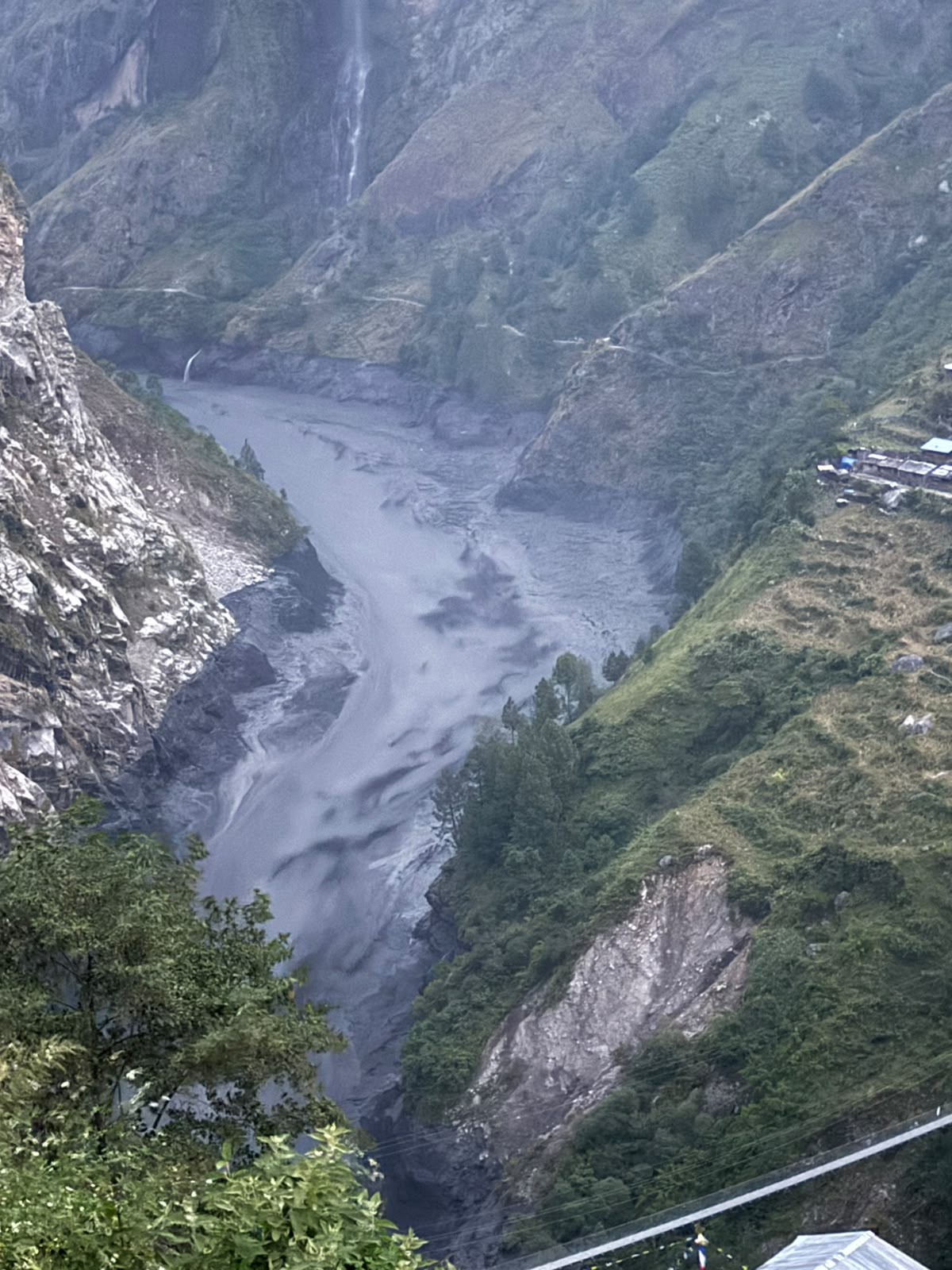
The devastating flash floods and mudslides along the Nepal-Tibet border, triggered by a glacier collapse in the higher reaches of the Himalayas, came as a grim reminder of human vulnerability in the face of Nature’s fury. The catastrophe reminded us of the consequences of global warming. A large volume of ice and rock debris entered the Lende Khola, a tributary of the Bhote Koshi River. This, in turn, generated a sudden surge in the river, carrying water, sediment and large boulders downstream. Several villages, bridges, and power stations were swept away as downstream river levels rose between seven and nine metres within 30 minutes. While authorities in Nepal and China are still grappling with the enormity of the tragedy, which left hundreds dead and thousands missing and struggling to locate survivors, the disaster raises questions about the impact of the climate change crisis. It was not an ordinary rain-driven flash flood, but what scientists call “cascading hazards”—chain reactions in which an initial event directly triggers a sequence of subsequent events, often creating a much larger disaster. The disaster in Nepal shows why cascading events can be particularly difficult to anticipate, prepare for, and survive. Climate change is known to be driving faster glacier melt in the Hindu Kush Himalayan region. Nepal’s snow-capped mountains have lost close to one-third of their ice in just over 30 years due to global warming. Across the fast-warming Himalayas, melting glaciers are presenting dangerous new opportunities for avalanches and earthquakes to cause destruction by unleashing torrents of water.
In its 2023 report, the United Nations said that glaciers in Nepal, wedged between two major carbon emitters—India and China—melted 65 per cent faster in the last decade than in the previous one. For years, scientists have been warning of melting ice and permafrost in the Himalayas due to rising temperatures and climate change. There have been similar incidents of floods and landslides caused by glacier collapses in India, Switzerland and Italy in recent years. In 2021, a large chunk of a Himalayan glacier collapsed in the valley of Chamoli in northern India, sending a cascade of debris and water downstream that killed 200 people. Scientists later estimated that the impact of the collapse was equivalent to 15 atomic bombs. Even in Nepal, the same region saw flooding last year caused by a glacial lake in Tibet bursting. The increasing frequency of hazards in the cryosphere—the frozen parts of the Earth—is becoming more visible than ever. The pace of change is so rapid that current efforts are struggling to keep up. The Nepal flash floods underscore the urgent need for stronger regional cooperation to address climate risks that transcend national boundaries. The disaster highlighted the importance of collective action, stronger preparedness, and sustained regional cooperation to reduce climate-related risks and build resilience across the region.

Related News