Editorial: Superbugs on the rise
India’s indiscriminate antibiotic use is turning it into a global epicentre of antimicrobial resistance
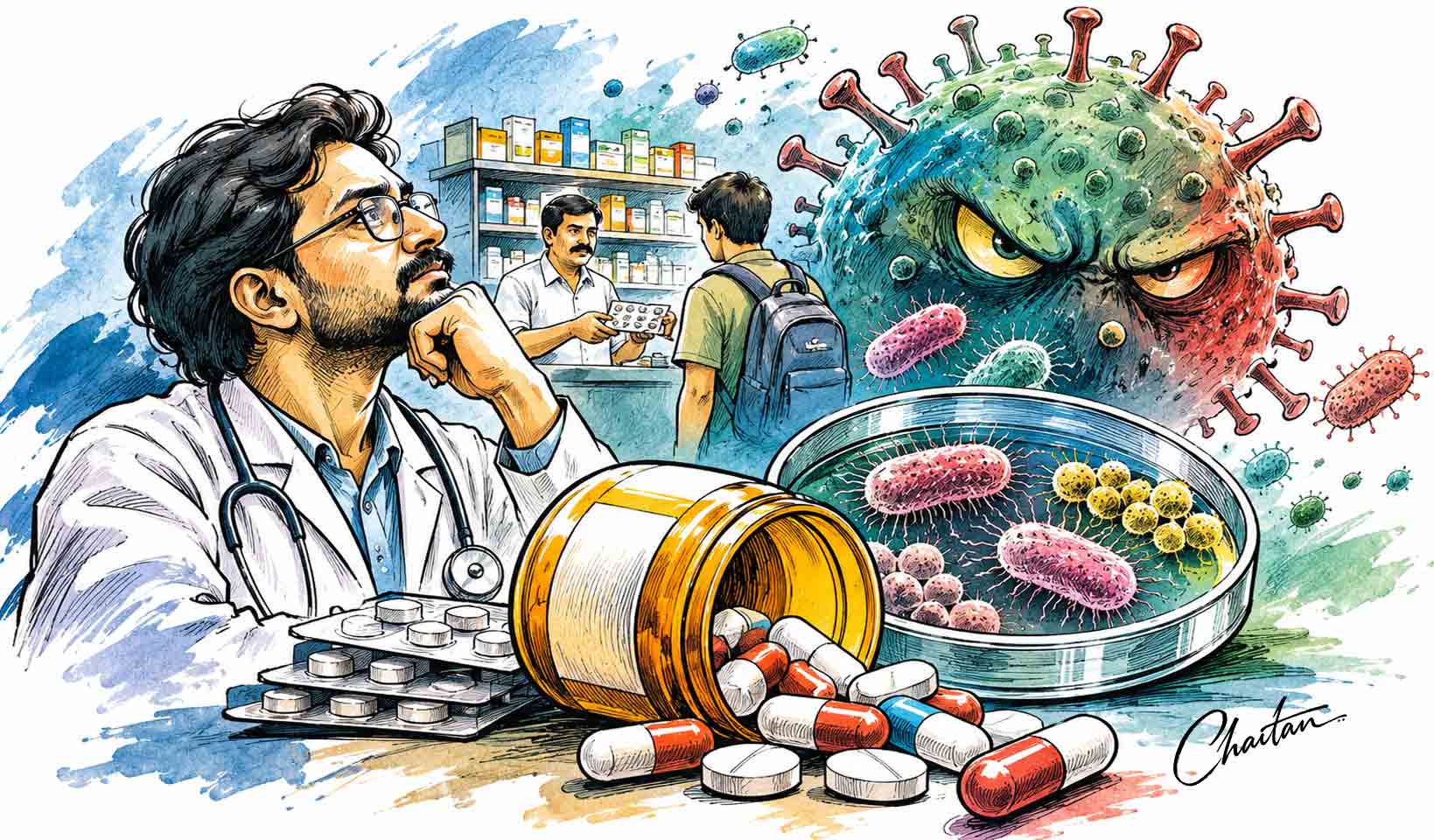


More than half of all antibiotics are sold in India without valid prescriptions. The indiscriminate use of antibiotics is turning India into a global epicentre of antimicrobial resistance. AMR occurs when microbes, which are exposed to high-grade antibiotics, become used to them over time and become resistant to them. This makes treating common infections difficult, increasing the risk of severe illness and death. The resistance also makes them ineffective in preventing secondary infections during surgeries and managing chronic infections. As a result, these microbes become superbugs. Resistance to critical antibiotics, including carbapenems, which are used to treat severe hospital infections, continues to rise. Without effective intervention, annual AMR-related deaths in India could approach two million by 2050. In November 2025, the Centre launched the second round of the National Action Plan on AMR for 2025-2029 with a renewed focus on public awareness, stronger laboratories and surveillance systems, infection prevention and control, research and innovation, and improved governance and intersectoral coordination. Though the initiative marked a shift towards implementation and accountability, the core challenges remain formidable. These include inappropriate antibiotic use, weak regulatory mechanisms, uneven laboratory capacity, gaps in hospital infection control, and inadequate coordination across sectors. One of the biggest challenges is that AMR is not only a health-sector issue. Tackling it requires coordination among various ministries, State governments, environmental regulators and pharmaceutical manufacturers. The latest official surveillance reports from the National Antimicrobial Resistance Surveillance Network (NARS-Net) and the Indian Council of Medical Research (ICMR) AMR Surveillance Network paint a worrying picture.
Official surveillance figures show a rapid decline in the effectiveness of commonly used antibiotics. Infections caused by certain antibiotic-resistant bacteria are now common in hospital intensive care units (ICUs). Some show resistance to more than 70 per cent of the strongest antibiotics. When these superbugs strike, patients need longer treatment, costlier drugs and often face a higher risk of death. Families are pushed into debt, while hospitals are stretched to their limits. Poorly treated waste from drug factories and hospitals adds resistant bacteria to our water and soil. These germs find their way back into our food and environment, creating a vicious cycle. Experts have described AMR as a slow-moving pandemic that could undermine modern medicine unless tackled urgently. A large share of India’s healthcare is delivered by private providers. However, bringing private hospitals, clinics, and pharmacies into surveillance and stewardship systems remains a continuing challenge. Primary health centres and district hospitals often lack rapid microbiological testing, forcing clinicians to rely on broad-spectrum empiric antibiotics rather than targeted therapy. Public health specialists and infectious disease clinicians stress the need to move beyond awareness campaigns towards structural enforcement and better infection prevention measures. They recommended stricter enforcement of prescription laws, curbing substandard drugs, setting up dedicated AMS committees across both public and private hospitals to audit prescriptions, restrict reserve antibiotics, and stop prolonged post-surgical prophylaxis. Doctors, too, must avoid unnecessary prescriptions and follow strict antibiotic rules.
Also Read

Related News