Editorial: Opening up nuclear power sector
Entry of private players will accelerate the expansion of atomic energy as part of India’s long-term energy transition


Reforms in the nuclear energy sector have been long overdue. Decades of state monopoly have stymied its growth. Nuclear power, considered a clean, carbon-free source of energy, is crucial if India wants to decarbonise without slowing economic aspirations. The government’s ambition to reach 100 GW of nuclear capacity by 2047 cannot be met by public investment alone. Allowing private participation could unlock capital, speed up project execution and bring in operational efficiencies that government entities often struggle to guarantee. Delays and cost overruns have plagued multiple reactor projects. Competition and accountability could help overcome those structural bottlenecks. After a prolonged delay, a new beginning has now been made with Parliament passing the Sustainable Harnessing and Advancement of Nuclear Energy for Transforming India (SHANTI) Bill, 2025, allowing private players to enter the sector. This is a landmark legislation signalling a major shift for a sector which has so far been tightly controlled by the state. The move is also in sync with the efforts to accelerate the expansion of atomic energy as part of India’s long-term energy transition. However, the government must address the concerns regarding safety norms, liability and accountability in a privatised nuclear regime. Under the new law, private companies would need to obtain licences to operate nuclear power plants, while foreign firms can participate through partnerships with Indian companies. The new legislation seeks to repeal the Atomic Energy Act, 1962 and the Civil Liability for Nuclear Damage Act, 2010. In doing so, it removes long-standing legal barriers that restricted nuclear power generation and related activities to government-owned entities.
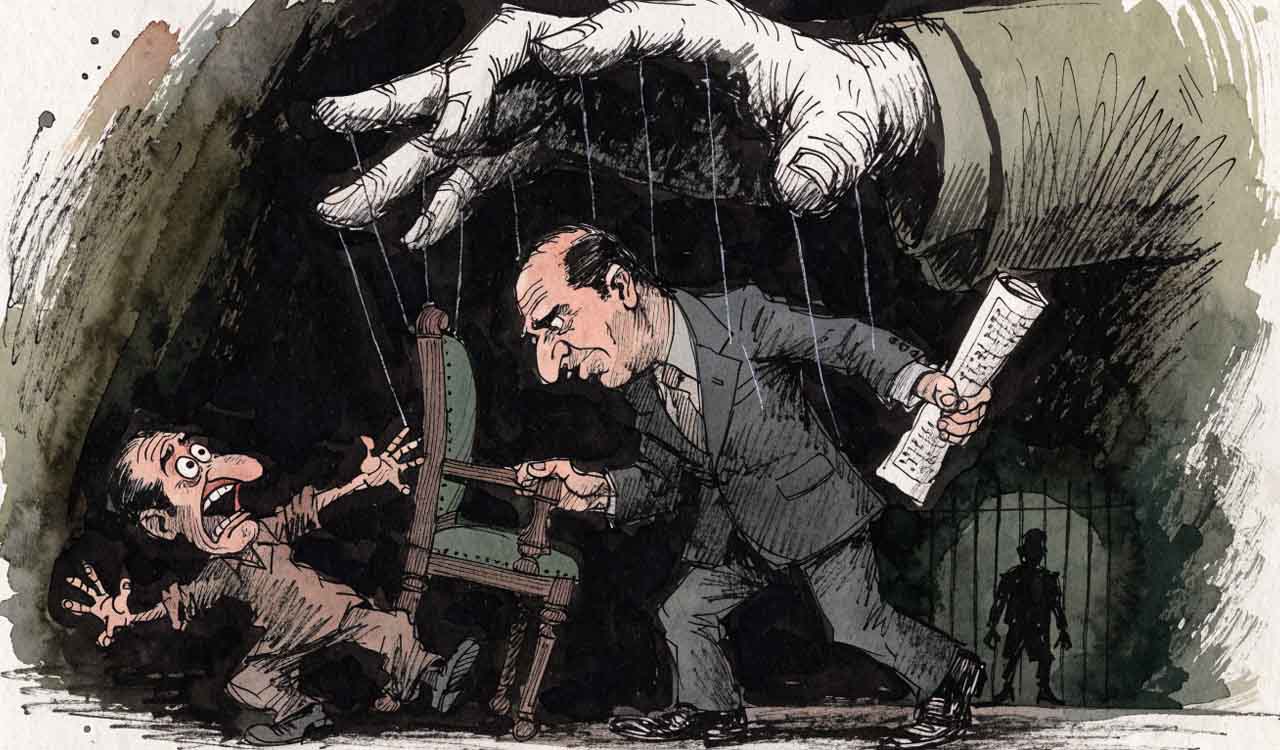
The law also retains exclusive central government control over certain critical and sensitive activities, including enrichment and isotopic separation of radioactive substances, the management and reprocessing of spent fuel and high-level radioactive waste, and the production and upgradation of heavy water. All private entities involved in nuclear energy activities will be required to obtain safety authorisation from the Atomic Energy Regulatory Board (AERB). Such authorisation is also mandatory for the manufacture, possession, use, transport, import, export or disposal of radioactive substances and radiation-generating equipment, as well as for establishing, operating or decommissioning radiation facilities. The critics of the legislation argue that it promotes a profit-driven licensing regime that opens critical segments of the nuclear value chain to private and foreign players while diluting accountability mechanisms. A major point of contention is the proposed removal of the operator’s statutory right of recourse against reactor suppliers. This change, it is feared, could shield equipment manufacturers from liability in cases involving faulty design or defects, shifting the burden of a potential nuclear accident onto the State and affected citizens. The trade union leaders and a section of nuclear energy experts are also seeking restoration of stringent liability provisions, establishment of an independent nuclear regulator, stronger environmental and labour safeguards, and Parliamentary oversight over foreign participation in nuclear activities.
Also Read

Related News