Editorial: Political vacuum in poll-bound Bangladesh
Leadership presence, narrative control, and the ability to project ideological credibility will determine whether the country’s fragile centre holds or succumbs to polarising forces
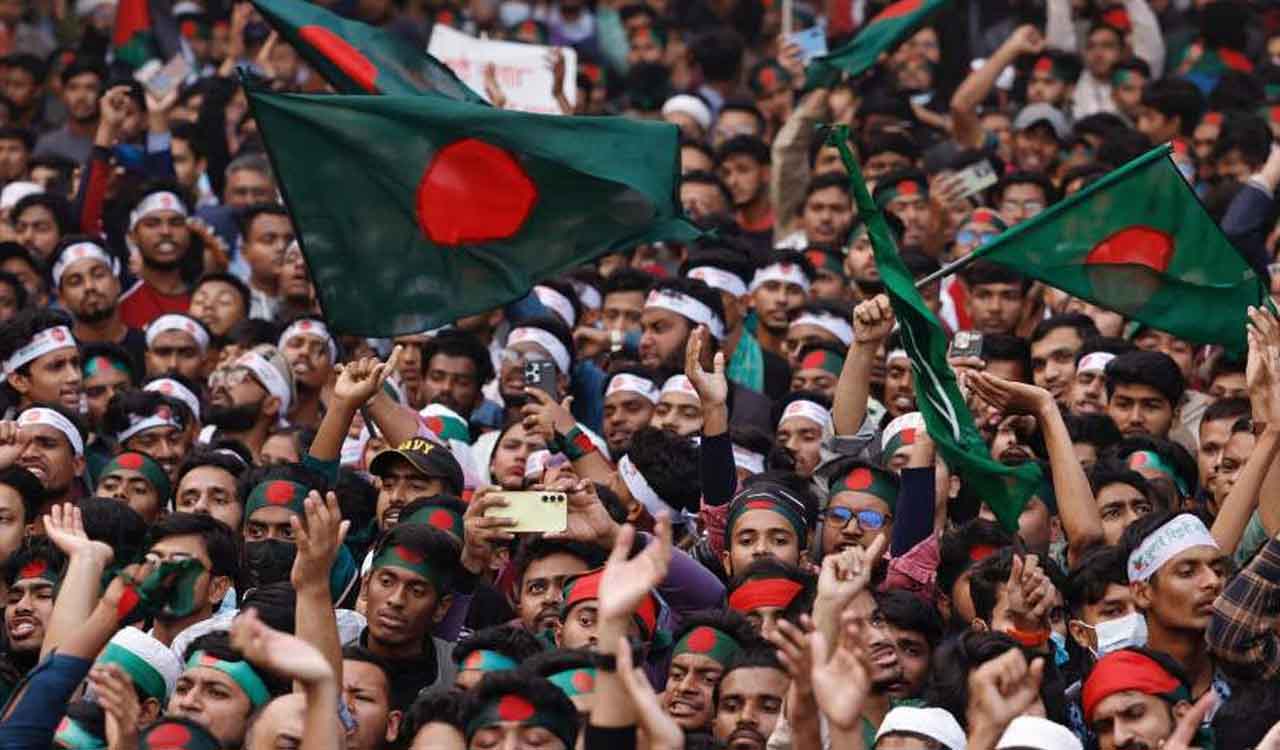


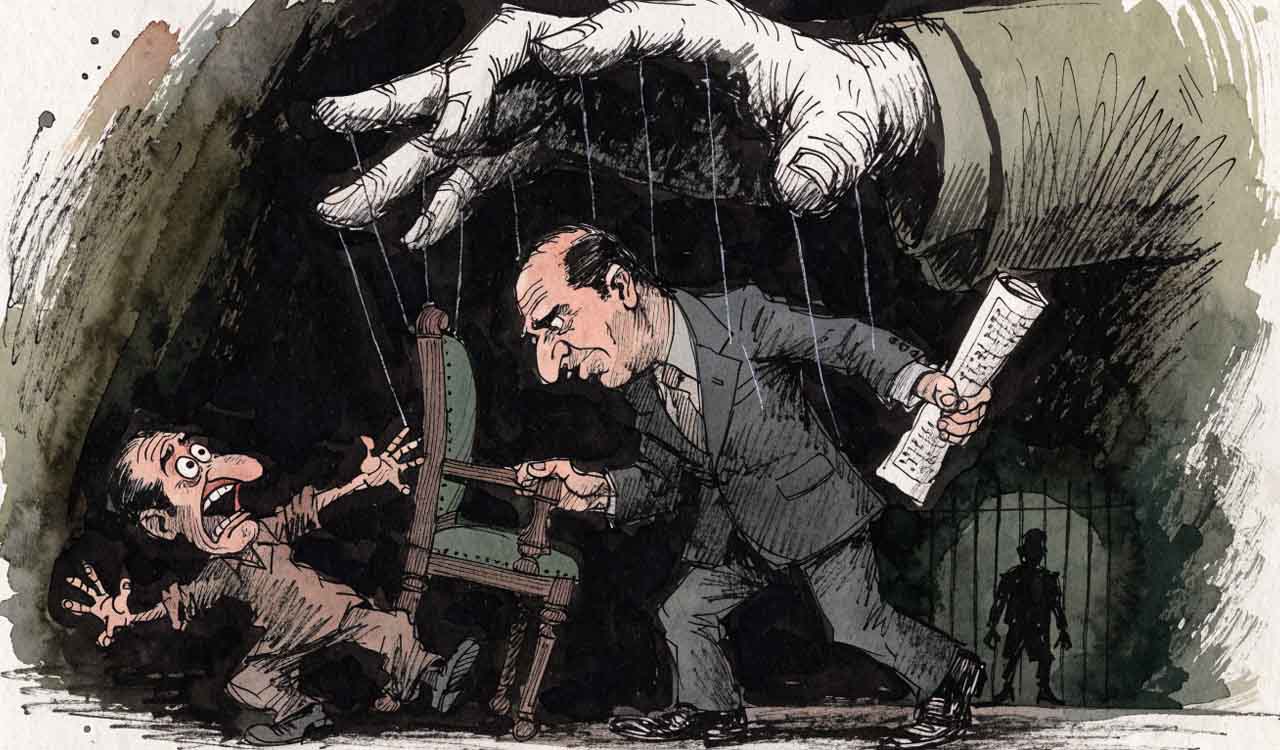
As Bangladesh is headed for national elections in February after going through a tumultuous phase in its history, it is in the grip of a political vacuum with two major parties — Awami League and Bangladesh Nationalist Party — struggling to stay relevant at a time when Islamic extremist elements are gaining ground. The BNP is grappling with a leadership dilemma as its acting chairman, Tarique Rahman, son of ailing former Prime Minister Begum Khaleda Zia, continues to be in self-imposed exile in London for nearly two decades now. His absence is bound to blunt the party’s impact on voter confidence. On the other hand, the Awami League, which dominated Bangladesh politics for decades, is reeling from a serious credibility deficit, with its leader, Sheikh Hasina, being ousted from power following a mass upsurge spearheaded by students. She has been in self-exile in India ever since she fled her country in August last year. Last month, Bangladesh’s International Crimes Tribunal (ICT) handed out a death sentence to her for crimes against humanity, while her party has been banned. The much-awaited election, however, lacks a level playing field with the interim government, headed by Nobel laureate Muhammad Yunus, banning all activities of the Awami League under an anti-terrorism law. The elections will test the interim government’s resolve to facilitate a much-needed, smooth democratic transition, a rarity in the country’s turbulent history. What is more alarming is the rise of extremist elements which have been influencing the policy direction of the interim administration.
The political vacuum has created fertile ground for Islamist parties, notably the Jamaat-e-Islami, to expand their influence. These groups have positioned themselves as assertive political actors capable of shaping narratives in a way that challenges the nation’s secular, pluralist and democratic ethos. Clearly, Bangladesh’s ideological axis is shifting. There are unmistakable signs of the country slipping into a radical Islamist trap. Secularism, once enshrined in the constitution, is the most hated policy now. Under the growing influence of Jamaat-e-Islami, textbooks are being rewritten to erase the legacy of the 1971 Liberation War and the founder of Awami League, Bangabandhu Sheikh Mujibur Rahman, and instead proclaim Ziaur Rahman, the founder of BNP, as the nation’s hero. Barring the Awami League from participating in the upcoming general elections is the latest instance of the dangerous drift. Critics say the interim government has been going soft on extremist elements. A shift in the ideological centre towards Islamist dominance is bound to have consequences for regional stability, cross-border cooperation, and the political environment for minority communities. Bangladesh stands at a crossroads. Leadership presence, narrative control, and the ability to project ideological credibility will determine whether the country’s fragile centre holds or succumbs to polarising forces. Forced to do a diplomatic tightrope walk on Hasina’s extradition issue, India is hoping for political stability in the neighbouring country after the elections.

Related News