Editorial: Relief for Indian immigrants
Grounding its ruling in the Constitution, the US Supreme Court made reversing birthright citizenship far harder for future administrations
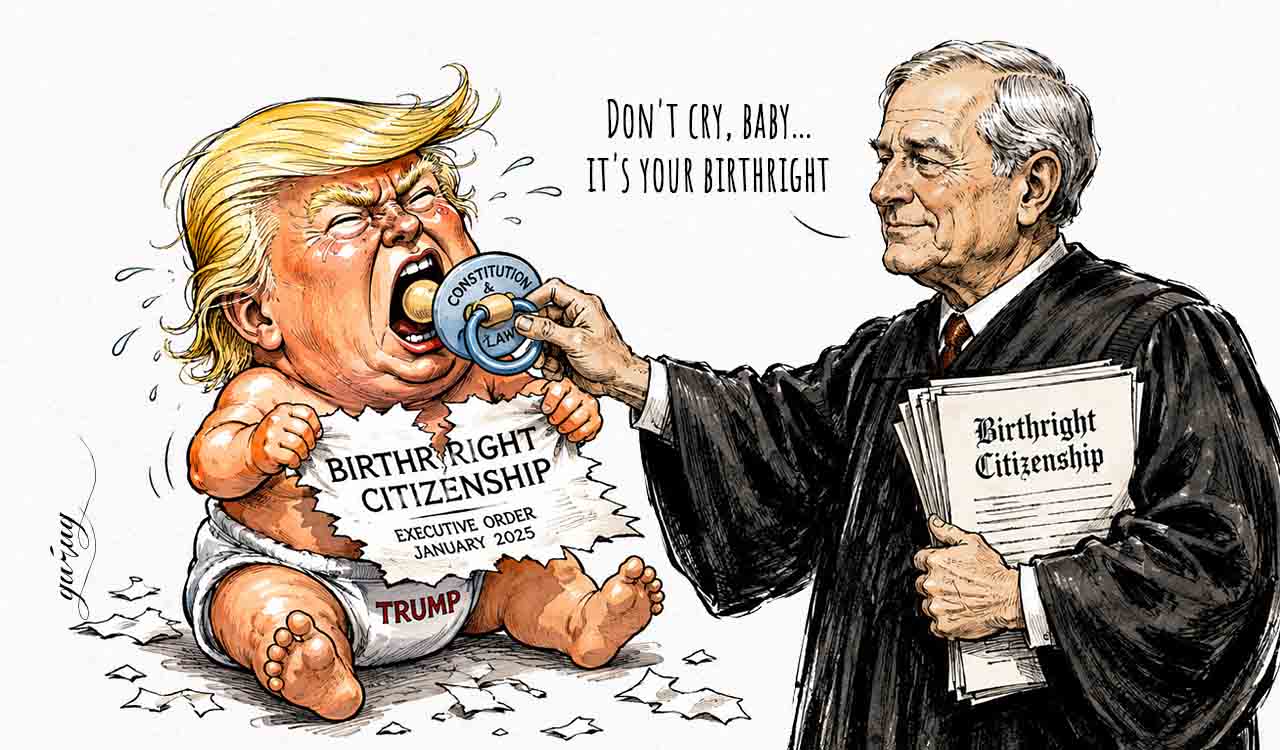


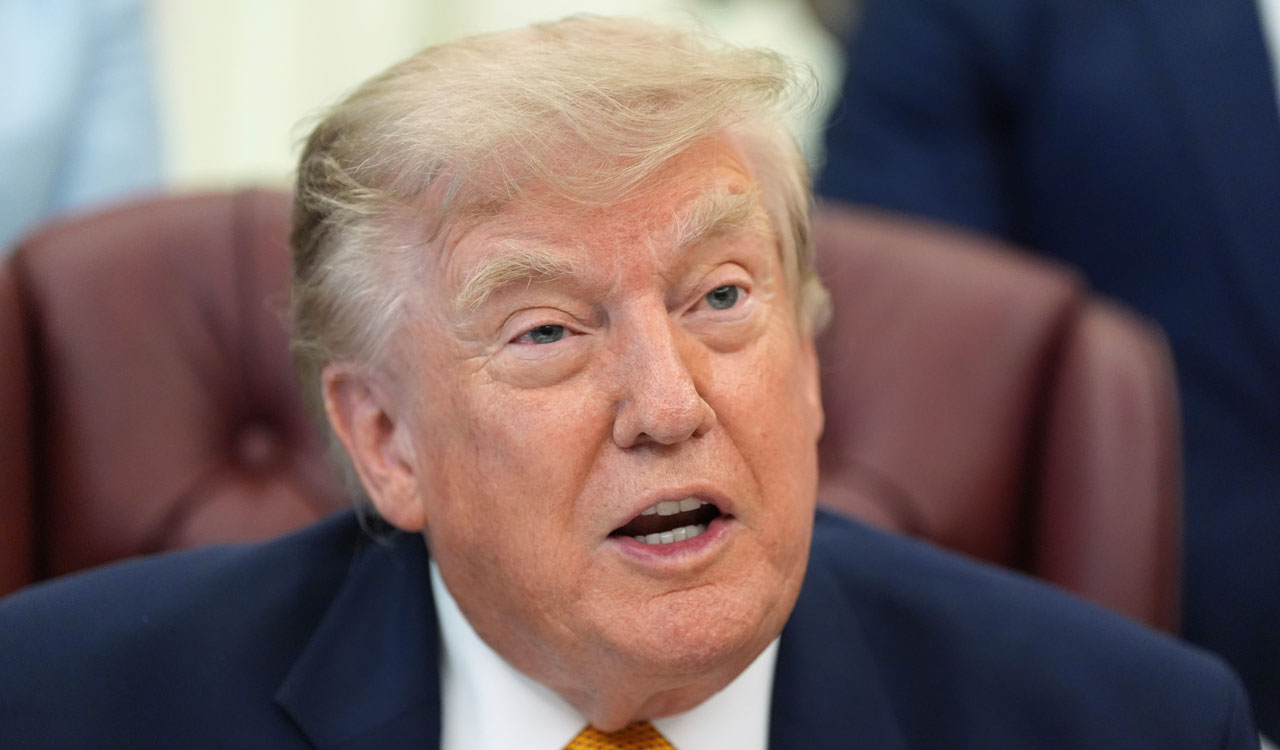
The United States Supreme Court’s landmark ruling upholding birthright citizenship comes as a major relief for millions of immigrant families, particularly Indians who constitute a major chunk of the skilled professionals in the country. The top court has struck down President Donald Trump administration’s January 2025 executive order attempting to restrict automatic citizenship for children born on US soil to various categories of immigrants. The ruling has upheld the constitutional guarantee that children born in the United States will continue to be recognised as American citizens regardless of whether their parents are on temporary work visas, student visas, undocumented, or awaiting permanent residency. The judgment is particularly important for the Indian diaspora, as hundreds of thousands of H-1B and other visa holders work in America, many of whom have children born in the country and wait for decades for permanent residency. Trump’s order, if followed through, would have left those children stateless or dependent on India’s own citizenship laws, even though they were born and raised in America. More than one million Indians remain stuck in decades-long employment-based green card backlogs because of country-wise caps on permanent residency. For these families, uncertainty over immigration rules has long been a major source of concern. The court’s verdict comes as a profound affirmation of who belongs in America, a country enriched by the contributions of immigrants from all over the world. In fact, America’s biggest modern success story is tied to immigration, particularly highly skilled professionals working in technology. Among them, Indians stand out for their stellar contributions.
Currently, nearly three out of every four H-1B visas approved by the US go to Indian nationals, making them the backbone of America’s technology workforce and some of Silicon Valley’s biggest companies. There are an estimated 5.2 million Indians in the US, including more than 1.2 million skilled professionals. Many Indian professionals spend years working in the US before becoming eligible for permanent residency because of the lengthy green card backlog. During that period, they continue renewing temporary visas despite building their lives in America. Birthright citizenship has long been central to the immigrant experience and provides certainty for millions of families planning their future in America. By grounding its judgment in the Constitution, the Supreme Court made it extremely difficult for any future administration to reverse birthright citizenship. The concept of birthright citizenship stems from the 14th Amendment to the US Constitution, ratified in 1868. For many economists and industry leaders, America’s ability to attract global talent has remained one of its greatest competitive advantages. Indian professionals have become central to that story, underscoring how skilled immigration continues to shape the country’s innovation ecosystem 250 years after its founding. Indian-origin personalities have become a consequential force in the country, be it the power corridors in Washington or the boardrooms of Silicon Valley.
Also Read

Related News