Editorial: Satya Niketan collapse—Capital tragedies, no lessons learned
Delhi, with its triple-engine sarkar, cannot afford to let such tragedies become routine or outsource the safety of its young residents to landlords and market forces
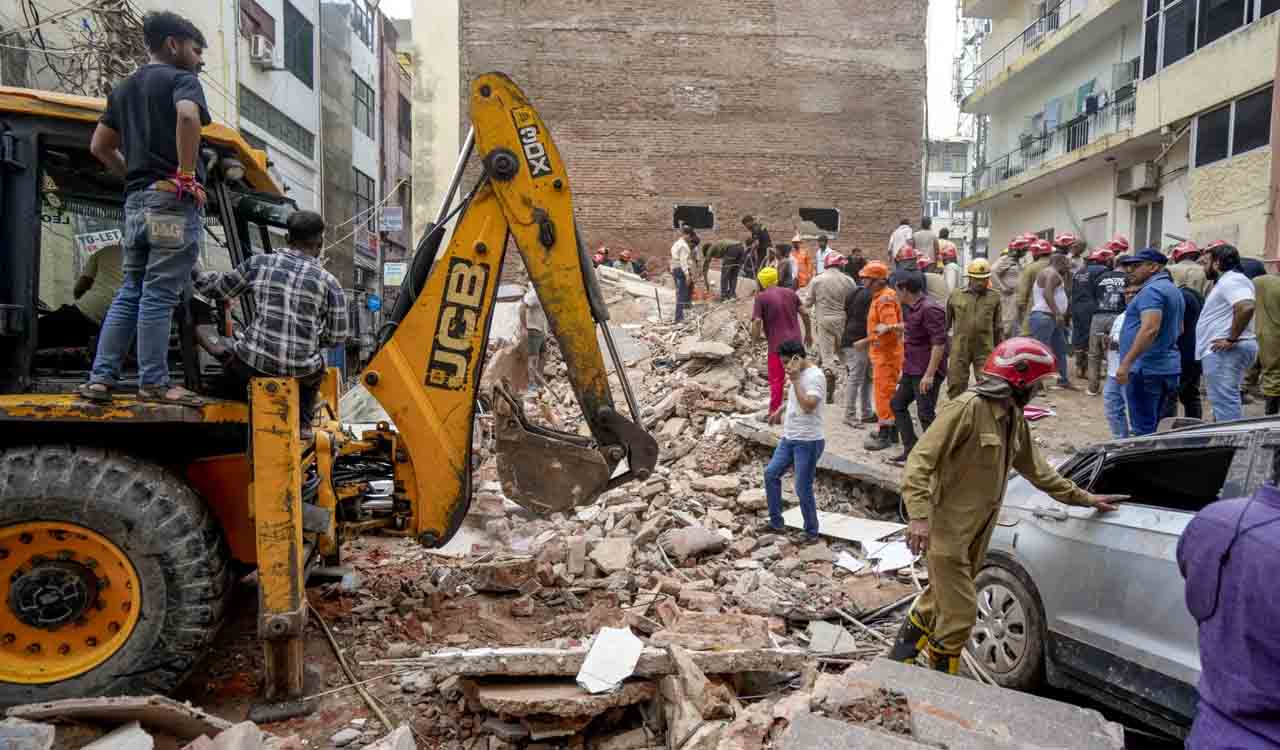


The collapse of an ageing building in Delhi, housing young students, is the latest in a series of tragedies in the national capital that expose loopholes in urban planning and enforcement of safety systems. Satya Niketan, where the mishap occurred, is not an anonymous residential neighbourhood. Its proximity to Delhi University’s South Campus has turned it into a dense marketplace for student housing, leading to the proliferation of private paying guest accommodations. Unfortunately, questions over safety norms are raised in India only after accidents occur, and lives are lost. Students are vulnerable consumers in the urban property market. Living away from their families, they have neither the expertise nor the bargaining power to assess whether a building has been illegally modified, inadequately maintained, or dangerously overloaded. A city cannot outsource the safety of its young residents to landlords and market forces. Private accommodation may be a business, but housing students carries responsibilities that cannot end with collecting rent. The Satya Niketan collapse exposes a wider pattern of weak oversight in Delhi’s booming student housing economy. Simply prosecuting a few individuals after the fact will not be enough; heads of municipal and police authorities must also roll. The tragedy is a grim reminder of how disasters become inevitable when warnings are ignored. The national capital has witnessed a series of such accidents in the recent past. A dangerous mix of building violations, regulatory lapses and delayed compliance with court-mandated safety reforms has created a recipe for disaster.
Laxity in enforcing safety norms is inexcusable. The Satya Niketan building, reportedly sanctioned only as a ground-plus-one structure, was expanded into a much taller structure without an approved building plan. Renovation work was also reportedly underway when the decades-old structure collapsed. A magisterial inquiry and an FIR are obvious steps, but accountability must go beyond the arrest of building owners and the suspension of a few officers. The national capital does not suffer from a shortage of laws or building codes. What it lacks is consistent enforcement. The probe into the Saket tragedy in May this year, in which a multi-storeyed commercial building crumbled, also pointed to unauthorised construction and plans to add further floors for financial gain. In Malviya Nagar, 23 people died in June after a blaze engulfed an establishment that was allegedly permitted to have only six bed-and-breakfast rooms but was being operated as a 26-room facility. The fire incidents in Palam and Vivek Vihar had also exposed glaring violations. The roadmap for a safer Delhi must include a ward-wise audit of old and structurally altered buildings, immediate action against dangerous properties, transparent records of building approvals, and strict penalties for officials and owners who ignore violations. Delhi, with its triple-engine sarkar, cannot afford to let such tragedies become routine. A preventive-first approach should be the way forward.
Also Read

Related News