Editorial: Stop politicising human tragedy
Political leaders must resist exploiting human tragedy for partisan gain and instead address urgent safety and regulatory failures in India’s expanding aviation sector
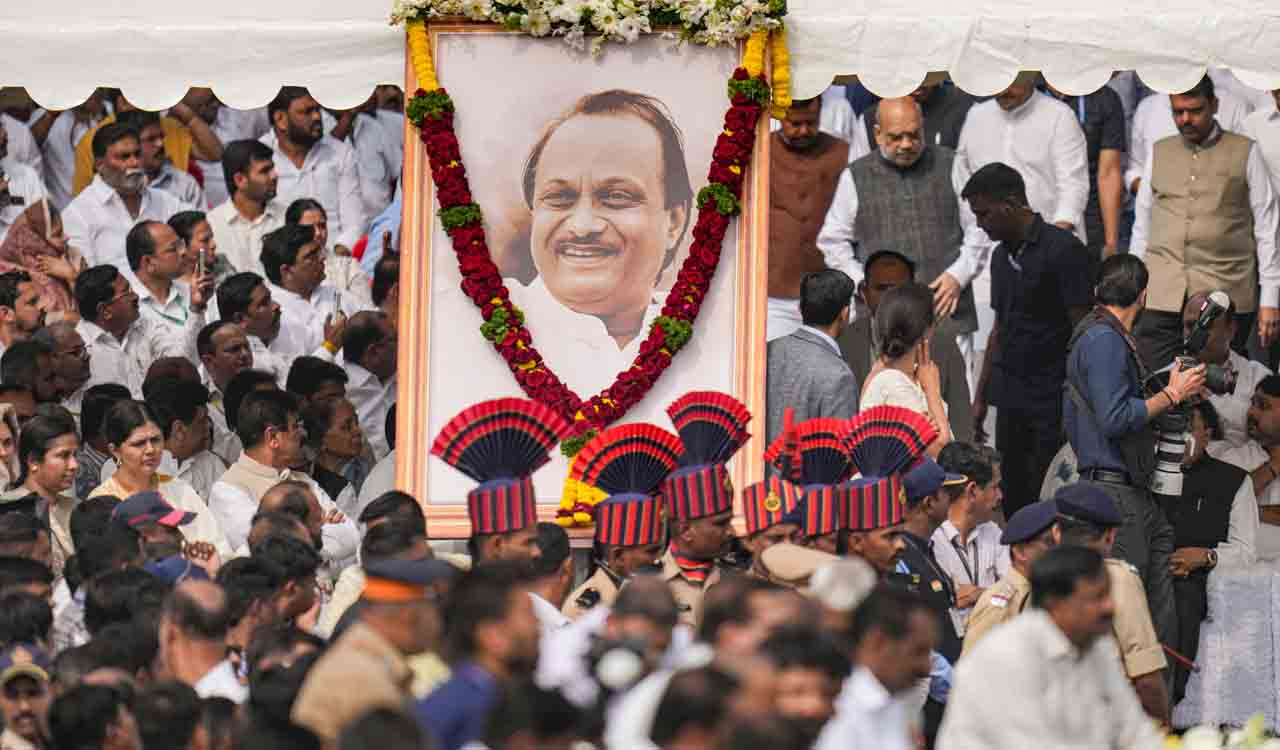


Floating conspiracy theories around the tragic plane crash that claimed the life of Maharashtra Deputy Chief Minister Ajit Pawar are highly reprehensible. By raising suspicion over what is clearly an unfortunate accident and suggesting a political conspiracy behind it, West Bengal Chief Minister Mamata Banerjee has further lowered the bar of political discourse in the country. Within hours of the accident at Baramati airport, Banerjee made a distasteful speech claiming that his death raised suspicion because he was about to return to the Sharad Pawar faction of the Nationalist Congress Party (NCP). When the whole nation was still in a state of shock, struggling to process the tragic news, she chose to politicise the issue and even demanded a Supreme Court-monitored probe into the tragedy. In a highly inappropriate remark, Banerjee claimed that all agencies of the central government have been compromised. Such positioning is irresponsible and preposterous, particularly coming from a senior politician occupying a constitutional post. Ajit Pawar’s uncle and NCP founder Sharad Pawar displayed commendable maturity in the face of a grave personal loss when he made it clear in no uncertain terms that it was an accident and not a political conspiracy. He pleaded with people not to politicise the tragedy. This should serve as a reality check for those who are itching to seek political capital out of a human tragedy. This is not the time to indulge in petty politics, but to stand by the bereaved family.
The focus should be on addressing the safety issues to prevent such disasters in future. The Baramati airstrip, the scene of the plane crash, is equipped only with a rudimentary Air Traffic Control (ATC) set-up operated by a flying school, and lacks a dedicated meteorologist and navigational aids to transmit cues to the cockpit. The Learjet 45 aircraft, carrying Ajit Pawar and four others, made two attempts to land at Baramati but the pilots faced difficulty in sighting the runway. The airstrip is categorised as an “uncontrolled aerodrome” as it does not have typical airport infrastructure and navigation procedures such as an instrument landing system, or security and firefighting arrangements. The ill-fated aircraft is owned by Delhi-based charter company VSR Ventures Private Limited, which has 17 aircraft in its fleet. Over the years, there has been a steady growth in the number of private aviation companies but the infrastructure has not kept pace with it. There are over 550 private aircraft, including jets, turboprops, and helicopters in the country, making it South Asia’s largest general aviation market. India’s status as one of the world’s fastest-growing aviation markets must be matched with greater emphasis on safety. Despite strong demand, India’s business aviation growth remains shackled by challenges such as bureaucratic friction, fragmented regulation, limited and expensive parking bays, high import duties, and sluggish infrastructure. Without supportive regulation, aircraft remain underutilised.
Also Read

Related News