Editorial: NavIC needs urgent reset to meet India’s navigation goals
The system faces critical challenges, including satellite failures, faulty atomic clocks, and poor smartphone integration
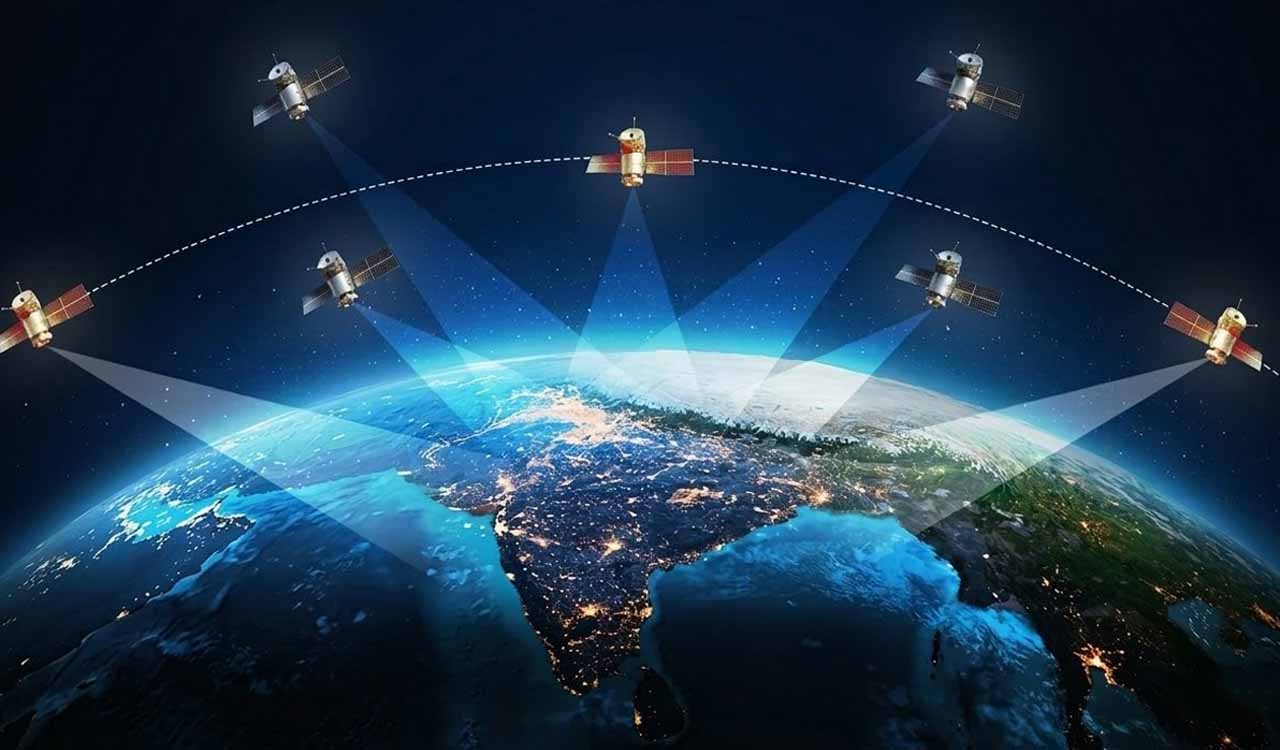


Billed as India’s answer to the American GPS network, the indigenous satellite navigation system — Navigation with Indian Constellation (NavIC) — is plagued by technical failures and ageing infrastructure. It needs an urgent reset if the ambitious goals set by the Indian Space Research Organisation (ISRO) are to be met. Experts have commented that NavIC represents a classic case of overpromising and underdelivering. It is ironic that just two years ago, the Ministry of Science and Technology had described it as “a magnificent gem in the crown of India’s technological prowess” and “a beacon of self-reliance, shining brightly in the world of satellite navigation”. Despite ISRO’s commendable technological achievements, persistent issues such as satellite failures, delays, and limited integration in consumer devices have restricted NavIC’s effectiveness. The system’s primary weakness has been the failure of onboard rubidium atomic clocks — many of which were imported. Without these precise clocks, satellites cannot provide accurate positioning data, leading to a cascade of service capability losses. The clocks have continued to malfunction, and as many as five satellites have been rendered unusable. A functional satellite navigation system requires at least four satellites to be visible simultaneously for reliable positioning. With reports indicating that the constellation has fallen below this threshold, the system’s reliability for critical applications like defence, disaster management, and transportation is severely compromised. The navigation system was envisioned as a step towards self-reliance in satellite-based navigation, yet its relatively low usage in smartphones and commercial applications reflects gaps in policy execution and industry collaboration.
Immediate corrective steps can help NavIC realise its true potential. The idea of NavIC was born out of a strategic need for indigenous navigation and timing services, particularly after India was denied access to foreign GPS data during the Kargil War. The NavIC was designed to provide precise position, velocity, and timing information over India and surrounding areas. It was meant to be particularly useful in high-altitude areas where signals from global systems are sometimes unavailable. The hybrid operation of NavIC, along with GPS and other systems, could contribute to higher accuracy and seamless operation in certain geographic areas. However, the commercial and public utilisation of NavIC has remained very low. India’s mobile phone market currently has some 20 major brands and 700 phone models. To enable handsets to support the Indian navigation system, changes must be made to both hardware and software. Although some chipset manufacturers are shipping processors that support NavIC, a study by the Space Applications Centre and Vishwakarma University, Pune, found that NavIC signals on many devices remain invisible or are filtered out by low-level drivers, even though hardware support exists. Over the decades, ISRO has delivered complex scientific and operational missions, developing indigenous capability in key segments of space technology. However, it has faced huge challenges when it comes to the mass application of space technology beyond dedicated government use.
Also Read

Related News