Editorial: Thriving space economy
India’s satellite sector is on the cusp of a major transformation. After 50 years of experience with space activities and applications and a robust set of indigenous capabilities across the board — startups, SMEs and large companies, a massive global opportunity beckons the country’s space industry. According to the latest report by the Indian Space […]



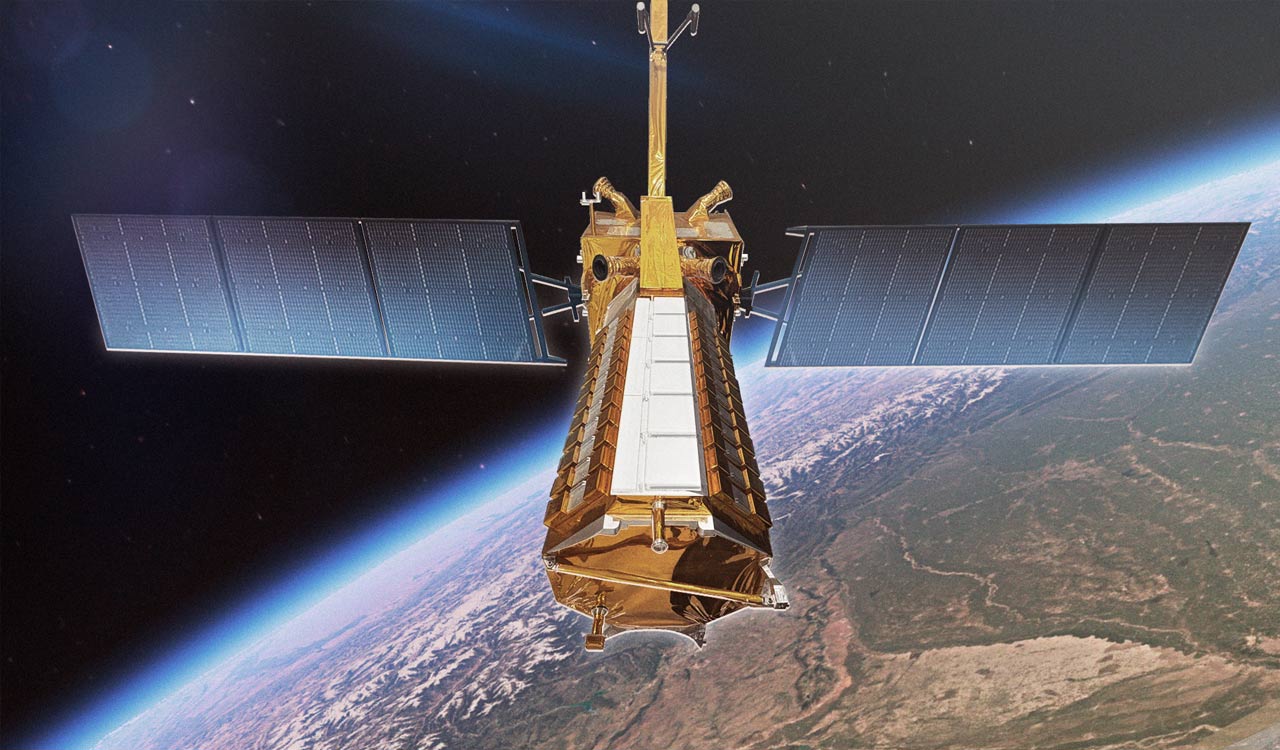
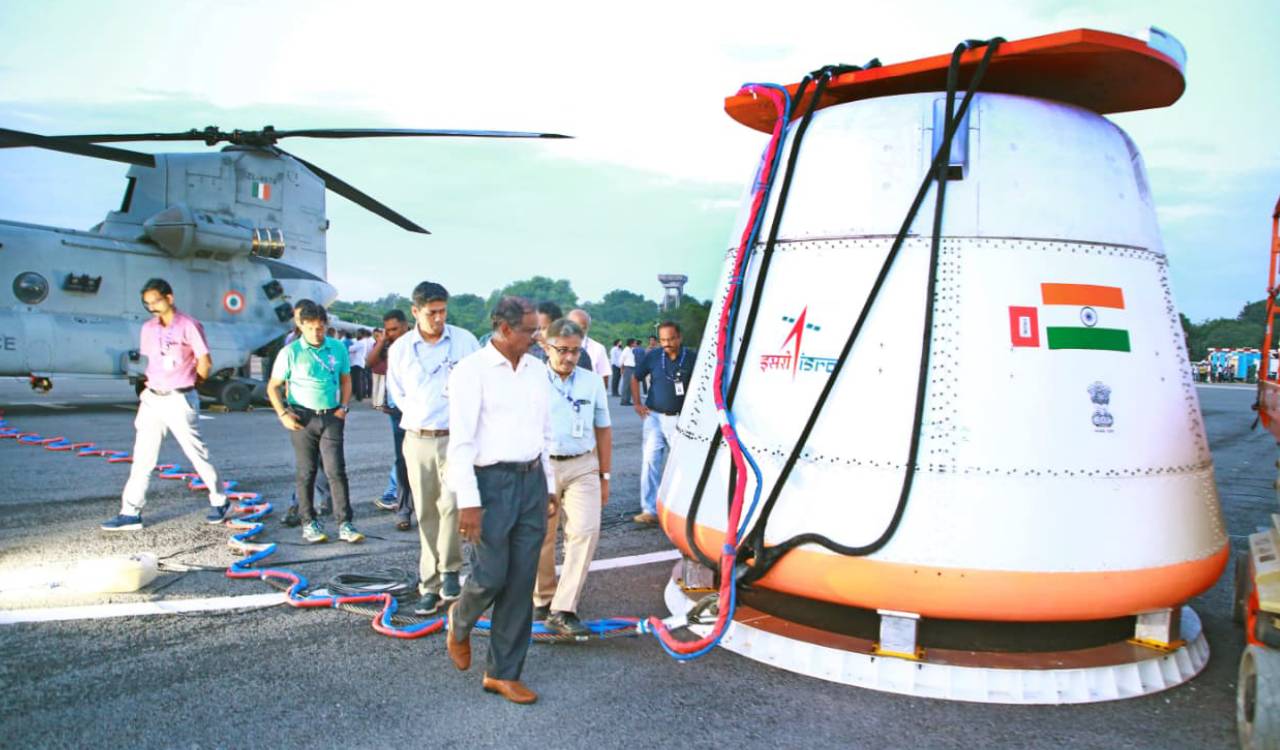
India’s satellite sector is on the cusp of a major transformation. After 50 years of experience with space activities and applications and a robust set of indigenous capabilities across the board — startups, SMEs and large companies, a massive global opportunity beckons the country’s space industry. According to the latest report by the Indian Space Association and Ernst & Young, India’s space economy is expected to garner nearly $13 billion in revenue in 2025. The satellite services market is projected to grow to about $5 billion and the ground services to touch $4 billion by 2025. The highest compound annual growth rate (CAGR) of 13% is projected for satellite and launch services in the next three years. The proactive approach of Indian satellite manufacturers and government organisations toward the launch of various satellites has generated a global impact. Over the years, the Indian satellite market has grown tremendously with the launch of several satellites. In February 2017, India set a record by launching 104 satellites in a single launch. This attracted a lot of global attention and enabled the Indian Space Research Organisation (ISRO) to establish itself as a favoured space agency, especially for commercial small satellite launches. Over the last three decades, there has been a lot of innovation happening in the satellite industry. Post-Covid, globally, there is an urgency to expand connectivity and satellite is the best tool to do this in remote and rural areas. It is not economical for telecom service providers to set up network infrastructure in remote and inaccessible areas.
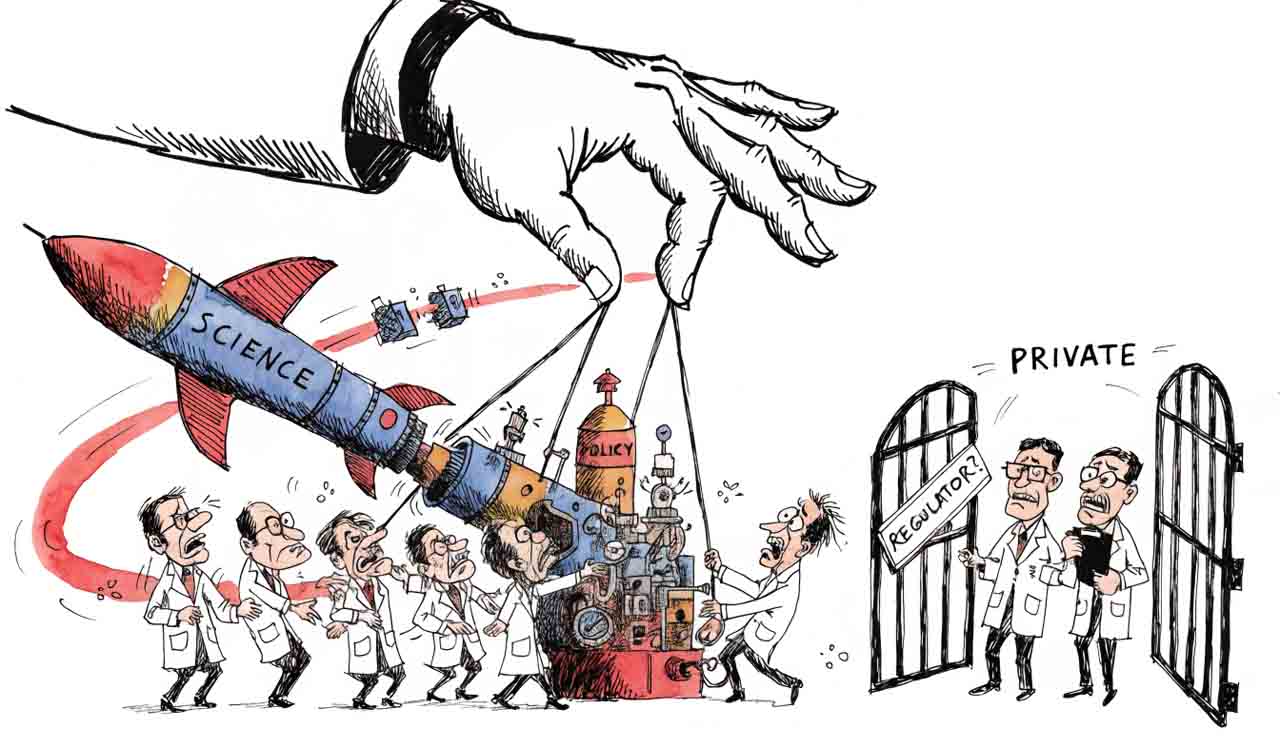
It’s a very exciting time for the Indian satellite industry as it has the same potential as the wireless sector in terms of investment, service capability and contribution to economic growth. A national Spacecom Policy, likely to be approved soon, is expected to pave the way for reforms in the space sector by allowing private players’ participation. The policy will regulate the commercial use of satellites, orbital slots and ground stations for communication needs and also detail how private players can get authorisation for setting up new communication satellites and ground stations. Once the policy is in place, the sector will see rapid development with the entry of new players. So far, the use of satellites has remained restricted to enterprises in India because of the high cost of satellite bandwidth. The cost of leasing satellite bandwidth is significantly higher compared to other countries because the sector has not yet developed fully. There is a need for a greater role of private industry in space-related activity. ISRO is overburdened by its regular operations such as the launch of satellites and construction of launching vehicles. Private players can participate in setting up ground stations for spacecraft which constitutes 48% of the space sector budget and also in the application of space technology.
Also Read

Related News
-

Editorial: Diluting institutional autonomy may boomerang
-
Incredible to watch capability ISRO is developing in science missions: Indian-American NASA senior official
-
India, France step up space cooperation with new private-sector deals
-
ISRO says remains at centre of India’s space programme, refutes media reports as ‘baseless’