Editorial: Towards democratising the Artificial Intelligence
Only by democratising AI can it become a tool for inclusion and empowerment, particularly for the Global South



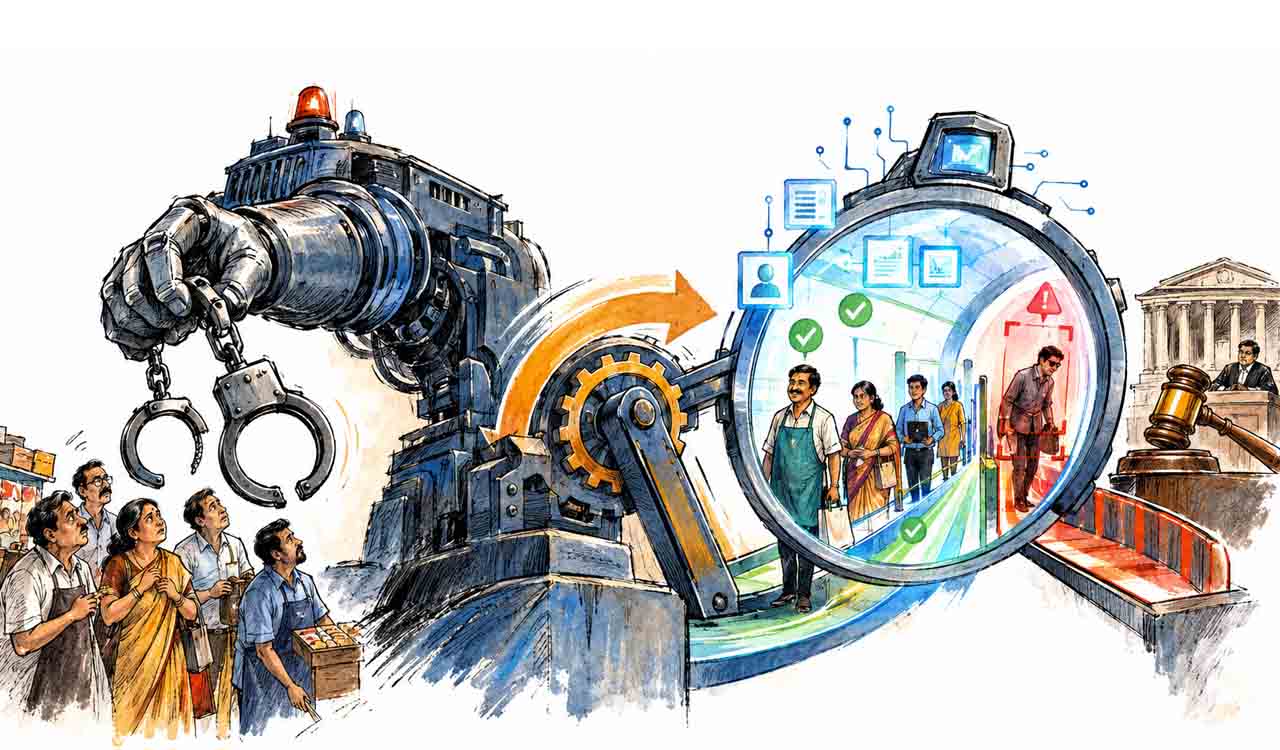
At a time when questions are being raised over ‘digital colonialism’ marked by the dominance of American Silicon Valley tech giants and the skewed power structure it entails, India is making efforts to steer the debate towards ‘democratising’ Artificial Intelligence systems and offering alternative pathways focused on inclusivity and wider accessibility. The ‘New Delhi Declaration’ at the recently concluded India AI Impact Summit— the first global gathering of its kind held in the Global South—reflects this key shift in the debate surrounding one of the most transformative technologies of our times. The summit, hosted by India, saw participation from nearly 90 countries, including the United States, China, France, Australia, South Korea, Japan, and the UK, and a virtual who’s who of the technology world. Even the countries with divergent views and mutually conflicting regulatory policies came on board to endorse the Declaration, which focused on the “democratic diffusion” of artificial intelligence, the sharing of resources, and the building of a voluntary network of scientific institutions researching AI around the world. This marks a major victory for India as it has positioned itself as the voice of the Global South, advocating a more democratised model of AI development that caters to the needs and aspirations of the developing countries. The enthusiastic response to the summit from global technology leaders and innovators demonstrates India’s growing role in shaping the direction and focus of a largely unregulated industry. The next big challenge for New Delhi would be to ensure that the signatories of the declaration walk the talk and implement the commitments mentioned in the declaration.
In his address at the summit, Prime Minister Narendra Modi presented an alternative vision centred around open code and shared development. Ultimately, AI technologies must serve the global common good. Only by democratising AI can it become a tool for inclusion and empowerment, particularly for the Global South. The tone of the summit declaration reflects a shared understanding between India and other leaders in the field, particularly the US, that AI’s disruptive power must be harnessed rather than restrained. While the US is pushing countries, including India, to build their AI solutions on top of America’s AI stack, India is also trying to develop a resilient domestic AI ecosystem, from chip making to building AI models. Besides, India is also entering into partnerships with key global players such as Google and Microsoft, which will lead to the transfer of both tech and capital. AI solutions that are affordable and scalable can be exported to countries around the world, serving a global need. Any AI model that succeeds in India can be deployed globally. One of the key outcomes of the summit was signing the ‘Charter for the Democratic Diffusion of AI’ under which the nations will “promote access to foundational AI resources, support locally relevant innovation, and strengthen resilient AI ecosystems while respecting national laws”.
Also Read

Related News