Even after a year, works of many integrated schools yet to commence
A year after launch, Telangana’s Young India residential schools project faces delays, with only 12 of 105 schools under construction, prompting concerns from Congress MLAs over slow execution and funding gaps
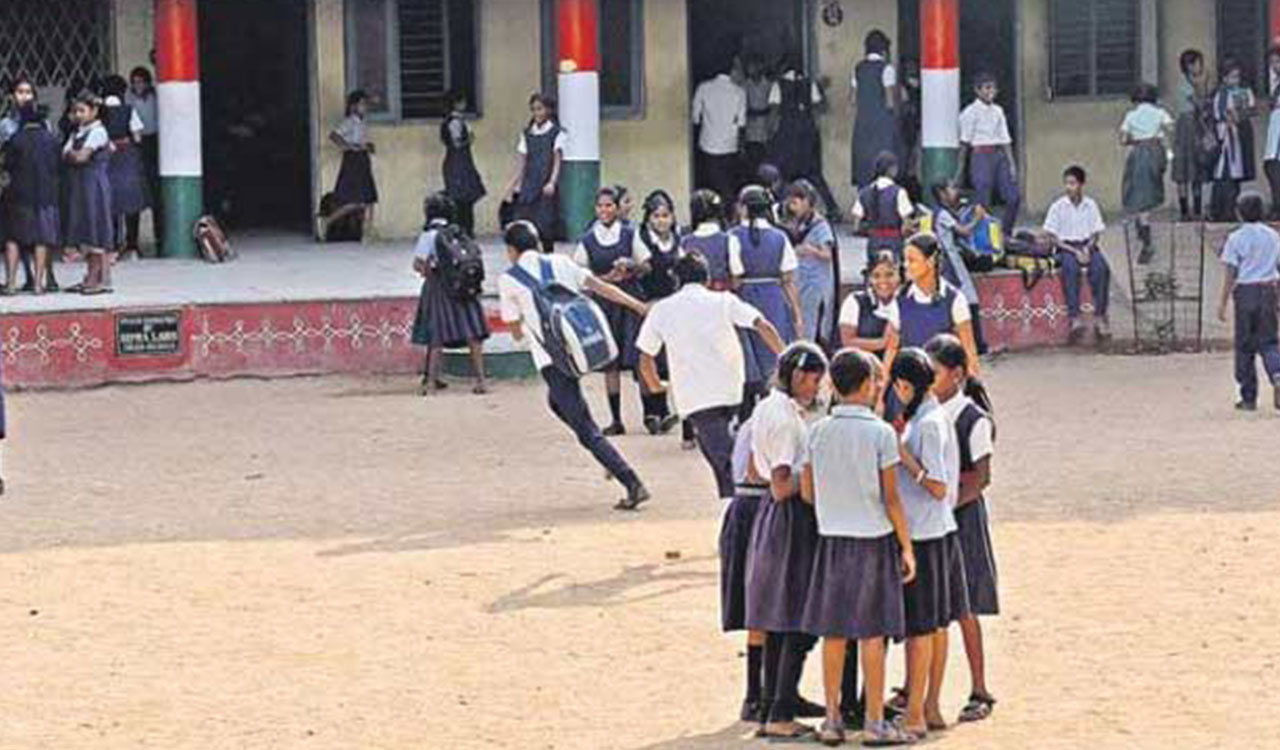


Hyderabad: Even a year after its announcement, the Congress government’s flagship Young India Integrated Residential Schools programme has failed to take off as expected, drawing concern from ruling party legislators. The government had proposed establishing 105 integrated residential schools at an estimated cost of Rs 21,000 crore. Chief Minister A Revanth Reddy launched the programme by laying the foundation stone for the first school at Kondurg in Shadnagar on October 11, 2024.
Of the total proposals, administrative sanction has been accorded for 79 schools. Tenders have been called for 76 schools, while construction has begun at only 12 locations, Health Minister Damodar Rajanarasimha informed the Assembly during Question Hour on Monday.
Replying to questions raised by Congress MLAs P Sanjeeva Reddy, Kavvampally Satyanarayana and others, the Minister said that nearly 617 residential schools across the State were currently functioning from rented buildings. During the current financial year, the government plans to take up works worth Rs 1,250 crore. Funding sources include Rs 500 crore from the State budget, Rs 300 crore from NABARD and Rs 450 crore from the District Mineral Foundation Trust.
Expressing concern over the slow pace of execution, Manakondur MLA Kavvampally Satyanarayana said that despite foundation stones being laid during Dasara 2024, work had not commenced in several constituencies. He urged the government to expedite the project with adequate budgetary support and avoid implementing it as a mere token exercise. Khairatabad MLA Danam Nagender said each integrated school was planned on 25 acres, posing challenges in Hyderabad where land availability is limited. He called for a special action plan for the city.
Citing an example from Udaynagar basti in his constituency, Nagender said a government school was operating from the first floor of a building allotted by a temple committee. Around 60 to 70 students were enrolled, and the committee was willing to permit construction of an additional floor if the education department coordinated, he added.

Related News
-

BRS to hold Singareni Karmika Garjana at Ramagundam on Oct 14
-
‘Their courage will forever inspire generations’: T’gana, Andhra leaders greet air warriors on India Air Force Day
-
KTR condemns alleged misconduct by Congress MLA, detention of woman journalist
-
Delhi police stop Revanth Reddy while heading to meet Rahul Gandhi