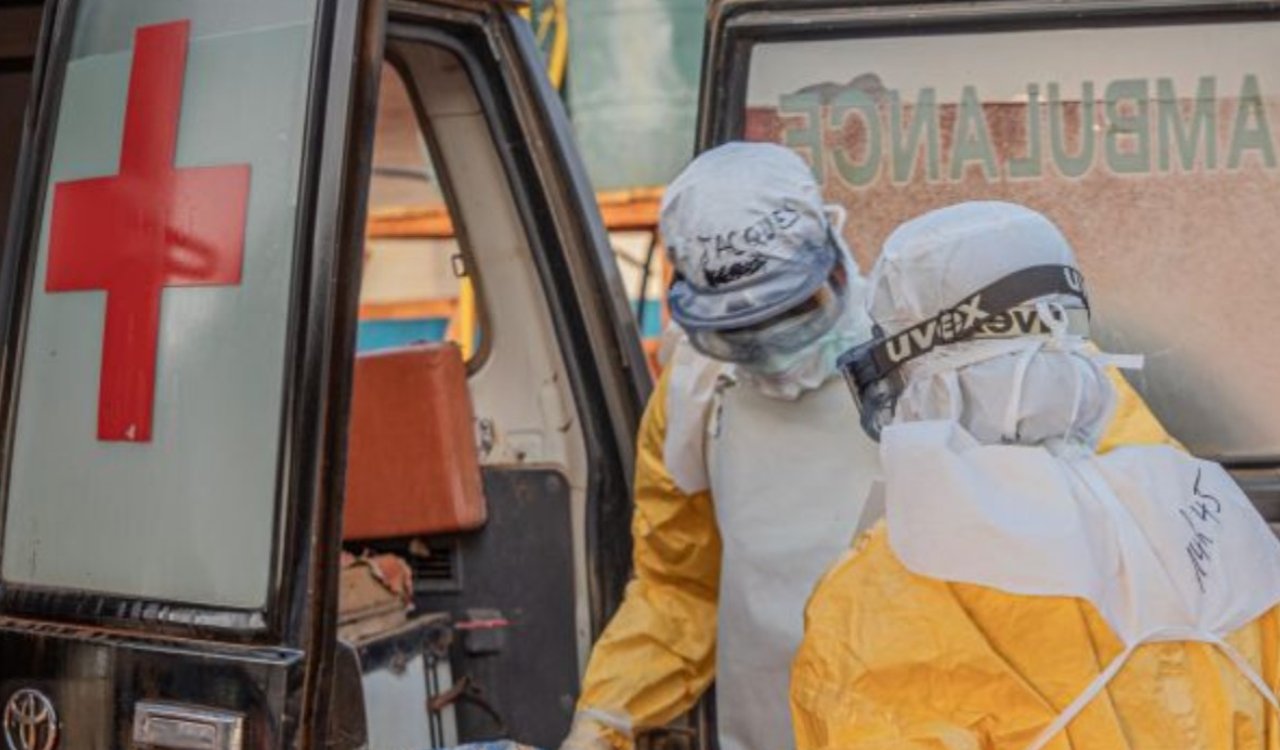
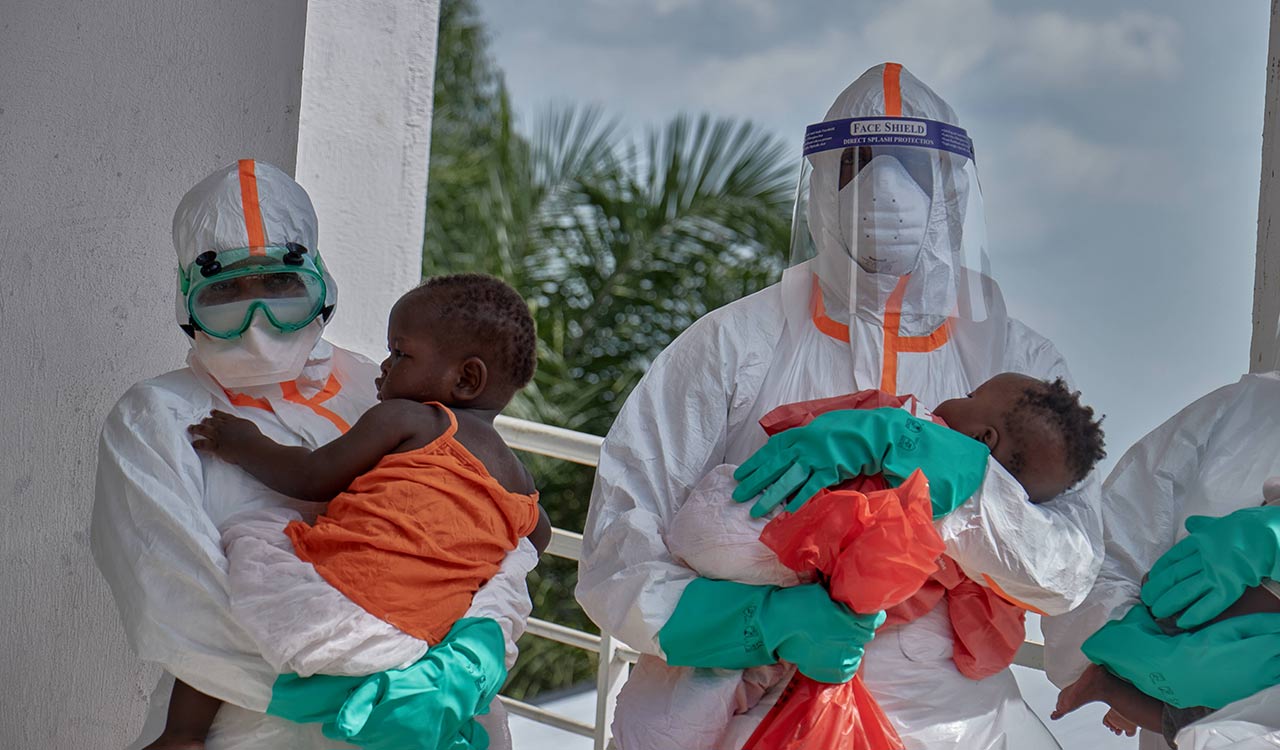
Explained: Ebola symptoms, spread and concerns over current strain
Ebola is a serious viral disease with a high fatality rate that spreads through contact with infected body fluids. Health authorities are closely monitoring the Bundibugyo strain due to ongoing outbreaks in Africa and concerns over the absence of approved vaccines.


By Sai Prakash Banoth
Ebola is a disease caused by a group of viruses known as orthoebolaviruses. The virus can cause serious illness and, without treatment, can lead to death. Ebola was first discovered in 1976 in the Democratic Republic of the Congo and has primarily been found in sub-Saharan Africa.
There are six known types of Ebola virus:
1. Zaire ebolavirus: Considered the deadliest strain and was responsible for major outbreaks including the 2014 West Africa epidemic.
2. Sudan ebolavirus: Causes serious outbreaks, mainly in Uganda and Sudan.
3. Bundibugyo ebolavirus: Less common and associated with a moderate fatality rate.
4. Taï Forest ebolavirus: Extremely rare, with only one known human case reported.
5. Reston ebolavirus: Primarily infects animals and has not been linked to severe disease in humans.
6. Bombali ebolavirus: Found in bats and no confirmed human disease has been reported so far.
Signs and symptoms
A person infected with Ebola may begin developing symptoms between two and 21 days after coming into contact with the virus. However, symptoms generally begin eight to 10 days after exposure.
People with Ebola may initially experience “dry” symptoms during the early stage of illness. Common symptoms include fever, body aches, pain and fatigue. Severe symptoms may include bleeding gums, nosebleeds, breathing difficulties, chest pain, organ failure and shock.
How it spreads
People can contract Ebola through contact with the body fluids of an infected person who is sick or has died due to the disease.
A person becomes contagious only after symptoms begin to appear. In rare cases, individuals may also become infected through contact with infected animals such as bats or non-human primates.
Transmission
Health experts believe Ebola spreads between people primarily through direct contact with the blood or other body fluids of a person who has developed symptoms.
Body fluids that may contain the Ebola virus include saliva, mucus, vomit, faeces, sweat, tears, breast milk, urine and semen.
How dangerous is Ebola?
Ebola virus disease is considered dangerous because it can lead to death rapidly and has a high fatality rate, often around 50 per cent and sometimes higher during severe outbreaks.
The disease spreads through direct contact with an infected person’s body fluids. Without immediate medical treatment, Ebola can result in severe dehydration, bleeding, organ failure and death within days.
Ebola’s current strain
Ebola disease is currently being closely monitored due to concerns over the Bundibugyo strain of the virus, which causes a viral haemorrhagic fever and carries a high mortality rate.
At present, no vaccines or specific treatments have been approved to prevent or treat Ebola disease caused by the Bundibugyo strain.
India has not reported any confirmed cases of Ebola disease linked to the Bundibugyo strain so far.
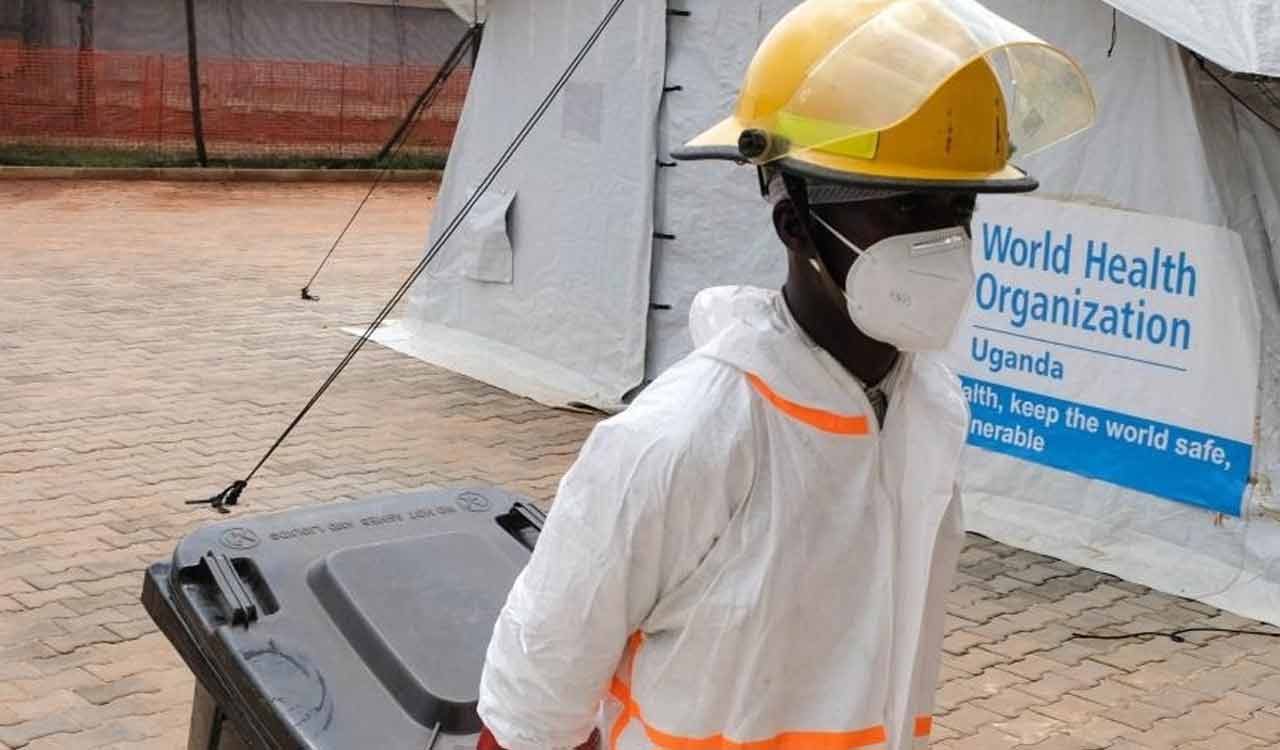
The Africa Centres for Disease Control and Prevention (Africa CDC) has declared the ongoing outbreak affecting the Democratic Republic of the Congo and Uganda as a Public Health Emergency of Continental Security.
The WHO International Health Regulations Emergency Committee on May 22, 2026, also issued temporary recommendations to strengthen disease surveillance at entry points to detect, assess and manage travellers with unexplained fever arriving from areas with confirmed Bundibugyo virus detection, while also discouraging travel to affected regions.

Related News