Four Nihang Sikhs arrested in Karnaprayag clash likely to seek bail
Four Nihang Sikhs arrested after the Karnaprayag clash in Uttarakhand are expected to seek bail. Authorities said they may return to Punjab if granted bail, while police remain on alert and continue monitoring the situation at the Kulhal border



Dehradun: The four Nihang Sikhs arrested in connection with the recent clash in Karnaprayag in Uttarakhand’s Chamoli district are likely to approach the court for bail in the coming days, official sources said on Saturday.
According to the sources, if the court grants them bail, the administration may allow them to return to their home state of Punjab. This move is expected to ease the situation that arose following the dispute in Karnaprayag on June 16.
The arrest of the four Nihangs had earlier led to a standoff at the Nagrasu gurdwara in the Rudraprayag district. The standoff ended after three days on June 23 following the intervention of a Sikh delegation.
Later, on the night of June 25, a group of Nihang Sikhs forcibly entered Uttarakhand through the Kulhal border in the Dehradun district, which adjoins Himachal Pradesh, demanding the release of the arrested men. Officials managed to persuade them to return to Paonta Sahib. However, officials clarified that the release of the accused depends entirely on court orders. All necessary legal formalities will be completed only after the court grants them bail, after which they will be allowed to leave Uttarakhand.
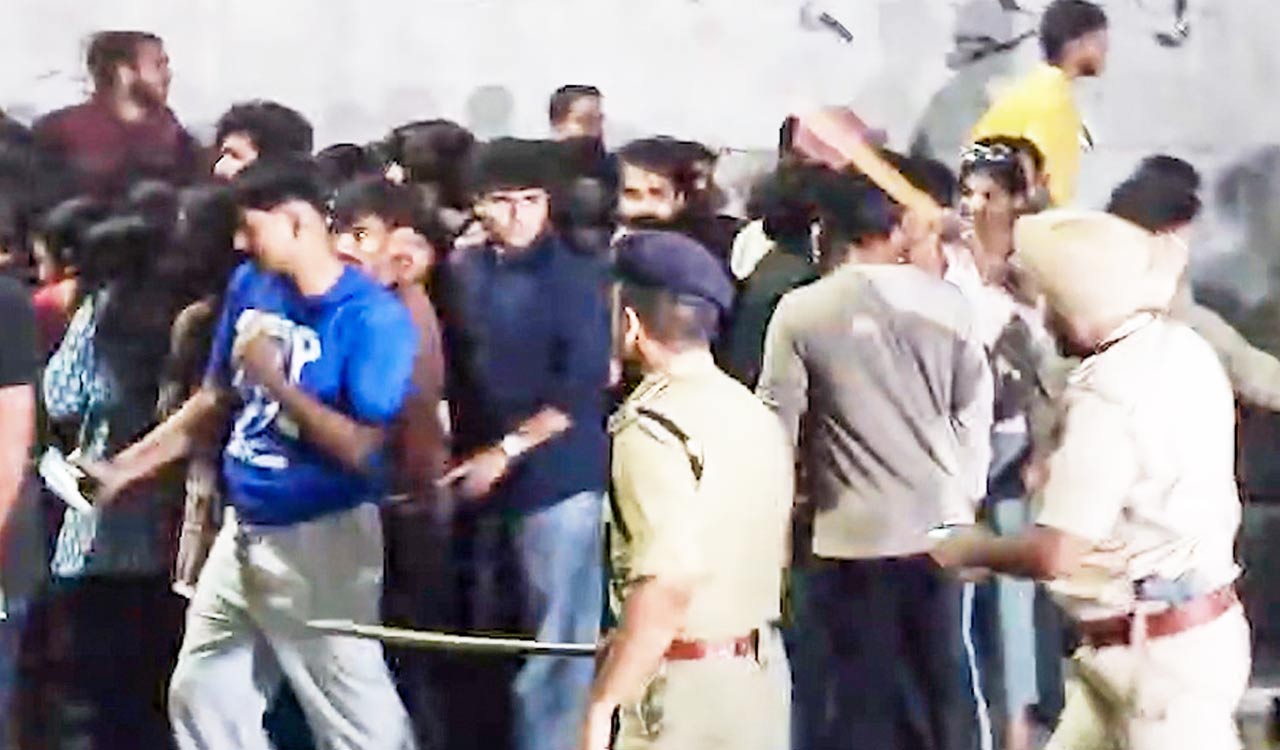
On June 16, a minor dispute between local residents and Nihang Sikhs in Karnaprayag escalated into an alleged sword attack, leaving a few people injured. A Nihang Sikh was also injured in the incident. The police registered a case and arrested four Nihang Sikhs, who are currently in judicial custody.
Meanwhile, the police remain on alert as a precautionary measure and vigilance is being maintained at the Kulhal border. Police officials said that while movement across the border remains normal, the situation is being closely monitored.

Related News