Greece-Turkiye talks resume despite maritime, cyprus disputes
Greek Prime Minister Kyriakos Mitsotakis is visiting Turkiye for high-level talks with President Recep Tayyip Erdogan. The meeting aims to improve ties despite disputes over maritime boundaries, Cyprus and regional energy cooperation. No major breakthroughs are expected.
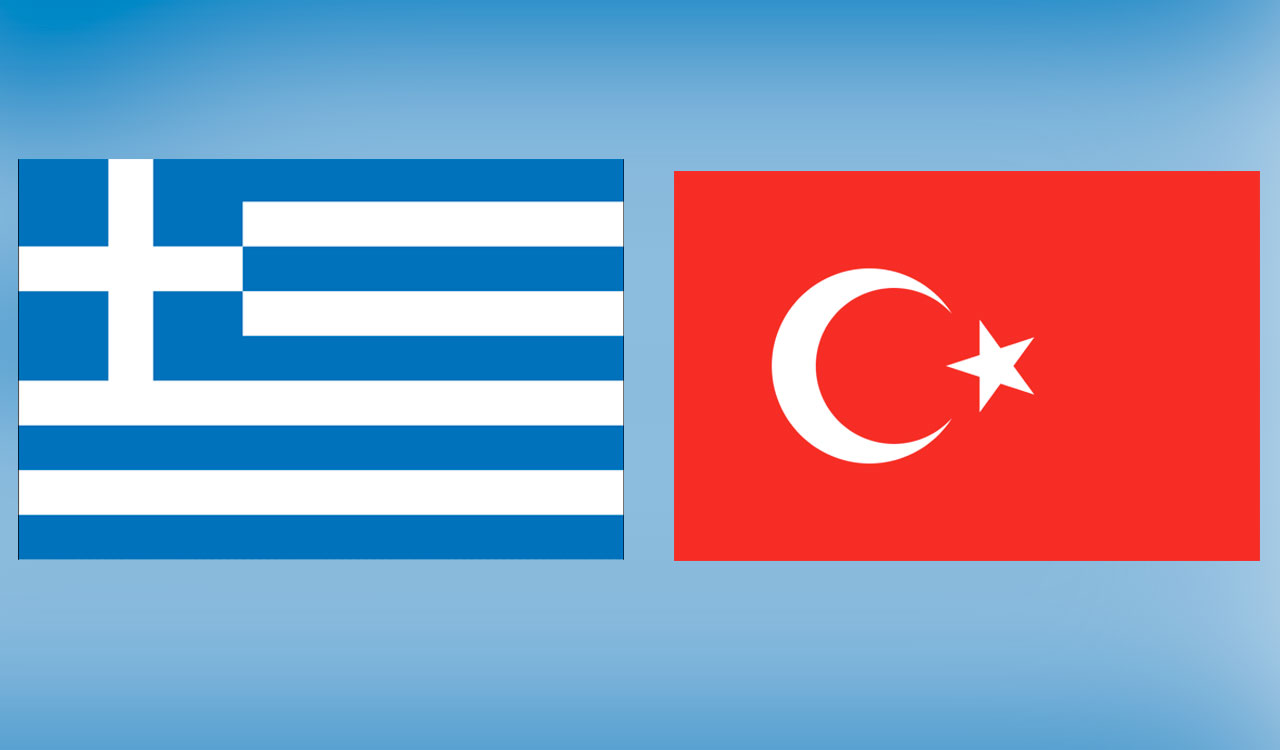


Ankara: Greek Prime Minister Kyriakos Mitsotakis is visiting Turkiye on Wednesday as part of an effort to sustain dialogue at a time when tensions between the two long-time rivals are rising.
Mitsotakis, who is expected to be accompanied by a delegation of senior Ministers, will meet President Recep Tayyip Erdogan during the so-called High-Level Cooperation Council — a fence-mending initiative that was launched to improve ties between the two NATO allies.
Greece and Turkiye remain at odds over a series of issues, including maritime boundaries, Cyprus, and drilling rights in the Aegean and eastern Mediterranean seas. Turkiye has also voiced unease over a growing defence and energy cooperation between Greece, Israel, and Cyprus that sidelines Ankara and which some view as an effort to counter Turkiye’s influence in the region.
Greece and Turkiye have come to the brink of war several times over the last half-century. A dispute over energy exploration rights in 2020 led to the two countries’ warships facing off in the Mediterranean.
In recent weeks, Greek officials have reaffirmed Greece’s right to extend its territorial waters in the Aegean to 12 nautical miles (22.2 kilometres) from the current six. Turkiye — whose parliament in 1995 declared such a move as a “cause of war” — has criticised the comments as unacceptable and argues that the extension of the territorial waters would violate its rights, severely restricting its maritime access.
The high-level talks in Ankara are expected to concentrate on a “positive agenda” — cooperation in trade, energy, education, and cultural ties — and no progress is expected on any of the contentious matters.
Both countries are also locked in a dispute over Cyprus, divided since 1974 between its ethnic Greek and Turkish populations. For the past seven years, Turkiye has rejected a long-standing agreement for a reunified Cyprus under a federal system. Instead, Ankara and the Turkish Cypriot administration, which is only recognized by Turkiye, have proposed a two-state solution.

Related News