Health and Tech: Banking on genetically engineered mosquitoes
Hyderabad: The pace at which technological innovations in medicine are underway, a day is not far when humanity would be once and for all defeat vector-borne diseases like dengue, malaria and chikungunya, which for decades have burdened public health systems in India. Thanks to the cutting-edge research, at least within the next decade, a lasting […]
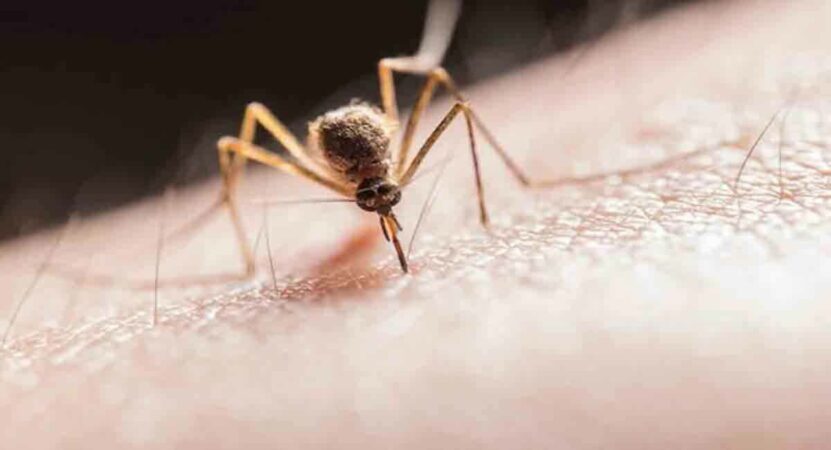


Hyderabad: The pace at which technological innovations in medicine are underway, a day is not far when humanity would be once and for all defeat vector-borne diseases like dengue, malaria and chikungunya, which for decades have burdened public health systems in India.
Thanks to the cutting-edge research, at least within the next decade, a lasting solution for diseases like malaria, dengue and chikungunya, could be in sight.
While there is a lot of hype over the ongoing research on vaccines for malaria and dengue, a unique research based on the promise of developing genetically engineered mosquitoes to control the highly invasive mosquito species has largely gone unnoticed.
In April of this year, noted British science journal Nature highlighted the promise of genetically engineered mosquitoes and their ability to control the population of wild Aedes aegypti, which carry viruses such as dengue, Zika, yellow fever and chikungunya.
The Nature article threw spotlight on the work of a research group that had completed first open-air study of genetically engineered mosquitoes in Florida, United States. A biotechnology firm Oxitec, which had developed genetically engineered mosquitoes and conducted the study and had claimed positive results.
So what are genetically modified (GM) or engineered mosquitoes? Across the world, including India, several research institutions, biotech firms and voluntary organisations have for years sought novel ways to inhibit the population of virus-carrying mosquitoes. As part of these efforts, researchers have developed GM mosquitoes that can suppress the wild population of virus-carrying mosquitoes.
In the Florida study, the researchers developed and released nearly 5 million GM male Aedes aegypti mosquitoes. The male mosquito carries a gene, which is lethal to the female offspring. The idea is that when the genetically engineered male mosquitoes are released in the wild and they mate with the wild female Aedes aegypti, then their female offspring will die even before they can reproduce.
As a result, the male offspring mosquito will carry the gene and will continue to pass it on to the progeny. As each generation mates, more females die and in the process the female Aedes aegypti population in that area dwindles.
Wolbachia bacterium
Another technology, which is quite different from genetic engineering and is not impacted by ethical dilemmas surrounding GM mosquitoes, is Wolbachia. Female mosquitoes get infected with a virus after biting an infected person. When the infected mosquito bites a healthy person, then they transmit the virus.
Noted voluntary organisation World Mosquito Program of Monash University in Australia carried out exhaustive research on Wolbachia in Indonesia, which is based on the concept that female Aedes mosquitoes are infected with Wolbachia.
When Aedes aegypti mosquitoes carry Wolbachia, the bacteria compete with viruses like dengue, Zika, chikungunya and yellow fever, making it harder for viruses to reproduce inside the mosquitoes. And the mosquitoes are much less likely to spread viruses from person to person. This means that when Aedes aegypti mosquitoes carry natural Wolbachia bacteria, the transmission of viruses like dengue, Zika, chikungunya and yellow fever is reduced.

Related News