Higher tax appeal limits cut disputed demand by Rs 16,690 crore
The increase in monetary limits for filing departmental tax appeals has reduced disputed tax demand by an estimated Rs 16,690 crore, Parliament was informed. The government also highlighted several reforms introduced over the past 12 years to simplify tax compliance and improve taxpayer services



New Delhi: The increase in monetary thresholds for filing tax dispute appeals at the ITAT, high courts and the Supreme Court has led to an estimated Rs 16,690 crore reduction in disputed tax demand, Parliament was informed on Monday.
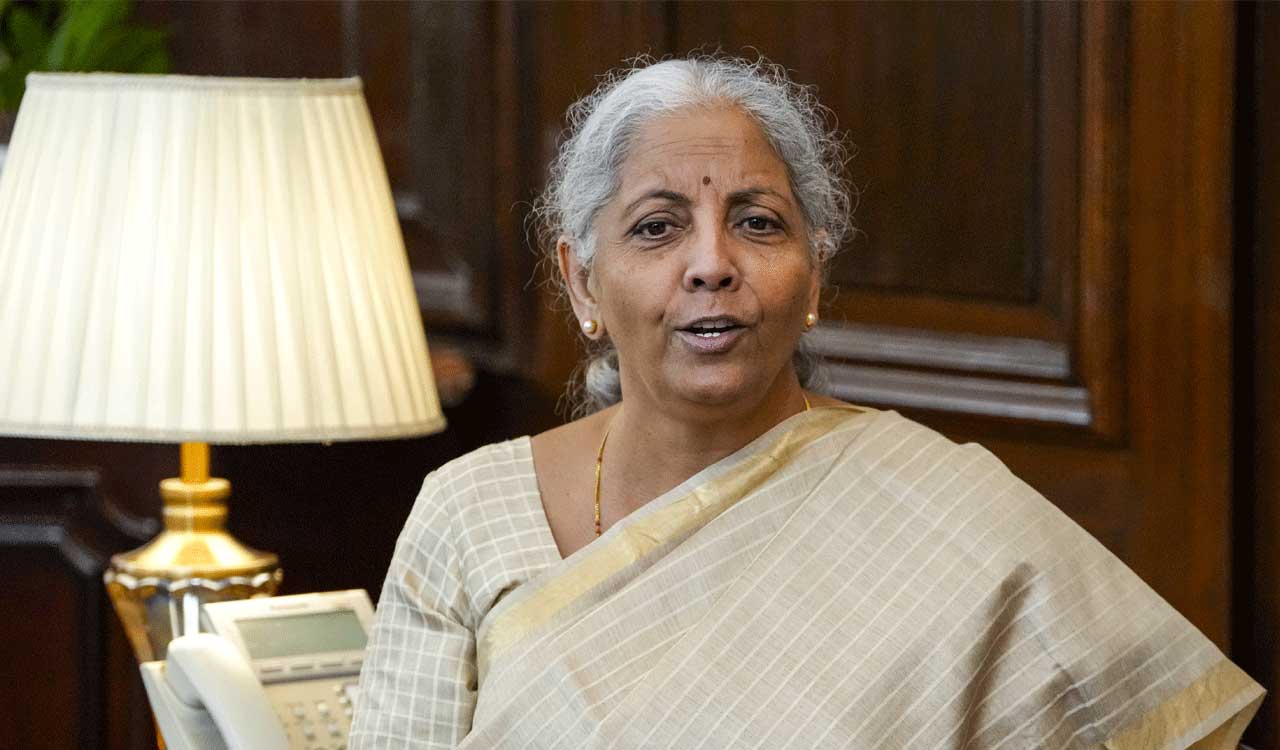
In a written reply to the Lok Sabha, Finance Minister Nirmala Sitharaman gave details of the total number of cases withdrawn or not filed, and the estimated reduction in disputed tax demand due to the enhanced monetary limits for filing departmental appeals from September 17, 2024.
About 443 cases were withdrawn, while 11,390 appeals were not filed before the Income Tax Appellate Tribunal (ITAT) after the increase in the monetary threshold. The total estimated reduction in disputed tax demand at the ITAT was Rs 3,662.82 crore.
Similarly, 4,791 cases were withdrawn and 5,565 appeals were not filed before the high courts. The estimated reduction in disputed tax demand was Rs 9,218.71 crore.
At the Supreme Court, 744 cases were withdrawn and appeals were not filed in 534 cases. This resulted in an estimated Rs 3,807.15 crore reduction in disputed tax demand.
Taken together, the total estimated reduction in disputed tax demand at the ITAT, high courts and the Supreme Court stood at Rs 16,690 crore.
The government, in the Union Budget 2024-25, enhanced the monetary limits for filing appeals related to direct taxes before the tax tribunal, high courts and the Supreme Court to Rs 60 lakh, Rs 2 crore and Rs 5 crore, respectively.
Sitharaman also said the Central Board of Direct Taxes (CBDT) has taken a number of measures over the last 12 years to ease tax compliance and improve taxpayer services.
Some of the key initiatives taken during the last 12 years include the introduction of pre-filled ITRs, the new Form 26AS, the facility to file updated returns, the introduction of the Faceless Assessment and Faceless Appeal Schemes, the removal of higher TDS/TCS for non-filers of income tax returns, the rationalisation and simplification of the safe harbour regime, and the expansion of the presumptive taxation scheme.
“These measures have significantly simplified tax compliance, reduced the compliance burden, enhanced transparency, promoted voluntary compliance and improved taxpayer services,” Sitharaman added.

Related News