How Freight Forwarders Influence Marine Insurance Risk
This is one reason marine freight insurance has become closely connected to logistics planning. The condition of cargo, the shipping route chosen and the quality of handling throughout transit can all influence the level of risk attached to a shipment.
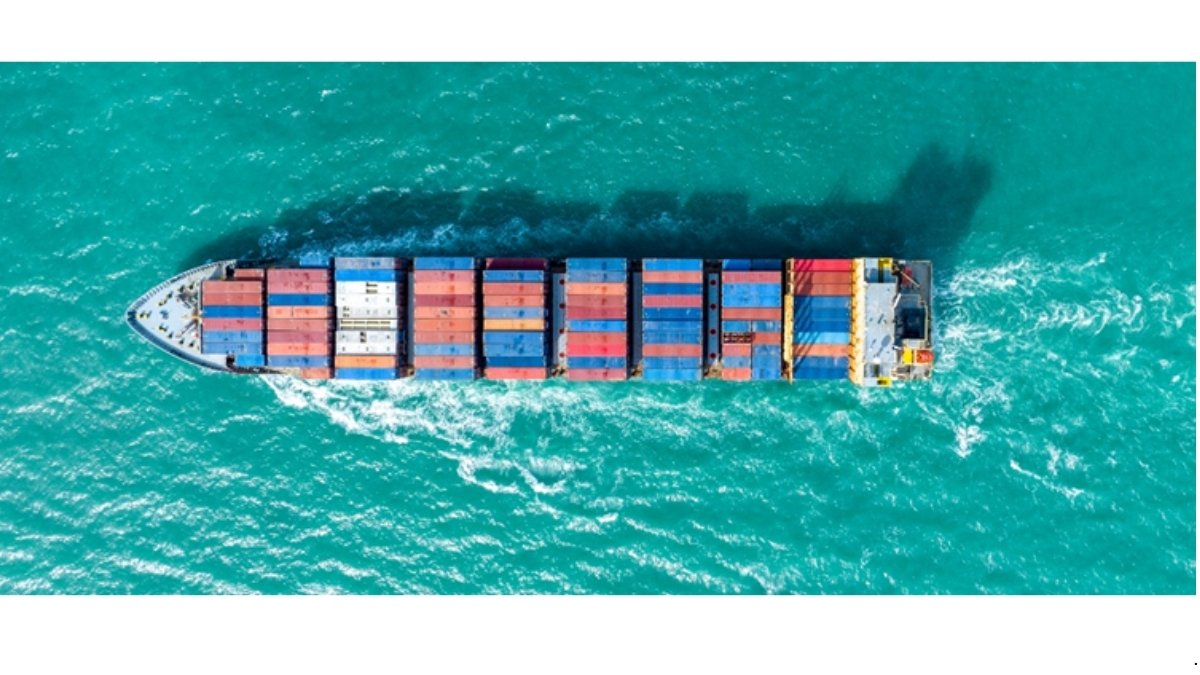


International shipping usually involves several moving parts, and freight forwarders are the ones coordinating many of them. They help manage transport arrangements, documentation, storage and communication between different shipping providers. Since cargo passes through multiple stages before reaching its destination, the way each step is handled can influence overall transit risk.
This is one reason marine freight insurance has become closely connected to logistics planning. The condition of cargo, the shipping route chosen and the quality of handling throughout transit can all influence the level of risk attached to a shipment.
Business Insurance and Logistics Coordination
For companies involved in international trade, business insurance is often tied closely to how logistics operations are managed.
Freight forwarders usually work with multiple parties at the same time, including carriers, warehouse operators, customs teams and transport providers. Since cargo changes hands several times before final delivery, delays or handling problems can sometimes occur even during routine shipments.
When cargo damage happens, paperwork becomes important very quickly. Insurers generally look at shipping records, handling details, packaging conditions and transit history to understand what may have gone wrong before approving claims.
Because of this, businesses often prefer working with experienced freight forwarders who understand compliance requirements and maintain accurate documentation throughout the shipping process.
What Freight Forwarders Actually Handle
Freight forwarders are involved in several parts of the shipping process, not just cargo booking. They may help with route planning, customs paperwork, storage coordination and communication between different transport providers during transit.
For exporters and importers, this helps simplify international shipping because multiple logistics tasks are managed through a single point of coordination.
However, the decisions made during this process can also affect shipment safety. A poorly planned route, unsuitable storage arrangement or delay during cargo transfer may increase the overall risk during transportation.
How Freight Forwarders Affect Marine Insurance Risk
Marine insurance risk is not based only on the cargo itself. It is also influenced by how that cargo moves through the supply chain.
For example, shipments that pass through high-risk transit regions may carry greater exposure to theft or delays. Similarly, goods that are repeatedly transferred between warehouses or transport modes face a higher chance of handling damage.
Packaging recommendations from freight forwarders can also make a difference. Improper packing or weak cargo securing methods sometimes lead to avoidable losses during transit.
Even documentation errors may create problems later if claims need to be filed after cargo damage or shipment loss.
Reducing Risk Through Better Coordination
Many shipping risks can be reduced through better communication and planning before cargo even leaves the warehouse.
Businesses often work closely with freight forwarders to confirm packaging standards, shipment routes, storage conditions and customs requirements in advance. Real-time tracking systems and regular shipment updates also help identify delays early.
Choose TATA AIG Marine Insurance to Simplify Logistics Management
Freight forwarders influence far more than delivery timelines in international trade. Their decisions around routing, documentation, handling and coordination can directly affect cargo safety and overall insurance risk during transit.
With marine freight insurance solutions from TATA AIG, businesses can strengthen protection against unexpected shipping disruptions while managing global logistics more confidently. TATA AIG offers coverage options designed to support businesses involved in complex domestic and international cargo movement.

Related News