Rewind: India’s election umpire problem: Who holds the referee to account?
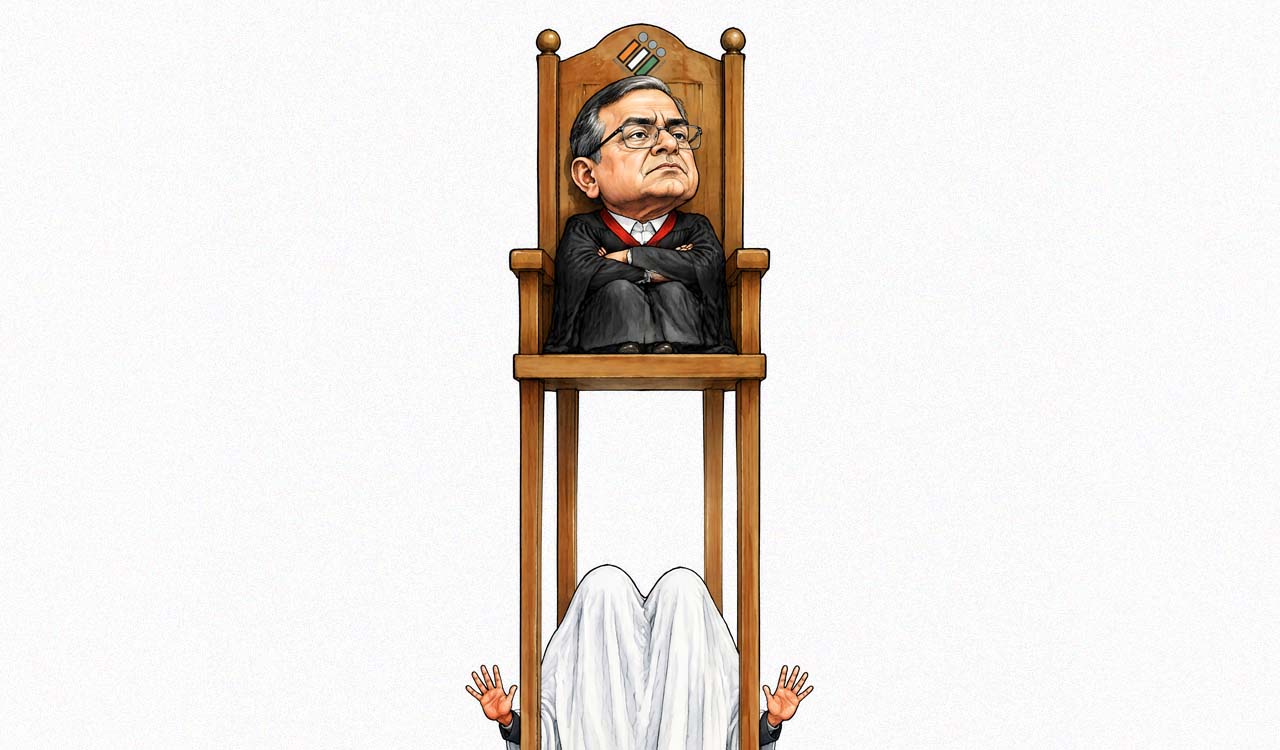
Removing a Chief Election Commissioner is hard; holding one to account should not be. India’s election referee must be independent, yet independence cannot mean freedom from scrutiny


By Prof (Dr) Ghulam Yazdani and Shashank Shekhar
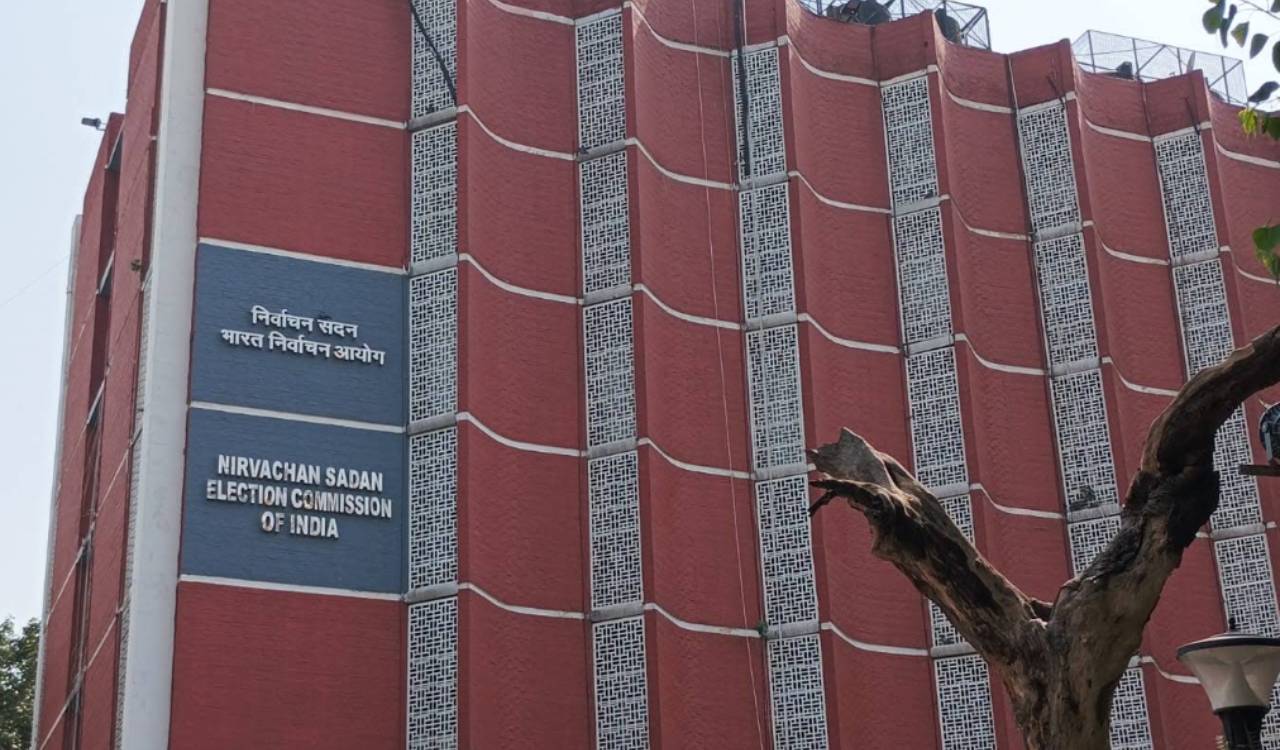
Every few years, Indian politics finds a new referee to shout at. This month it is Chief Election Commissioner (CEC) Gyanesh Kumar.
Also Read
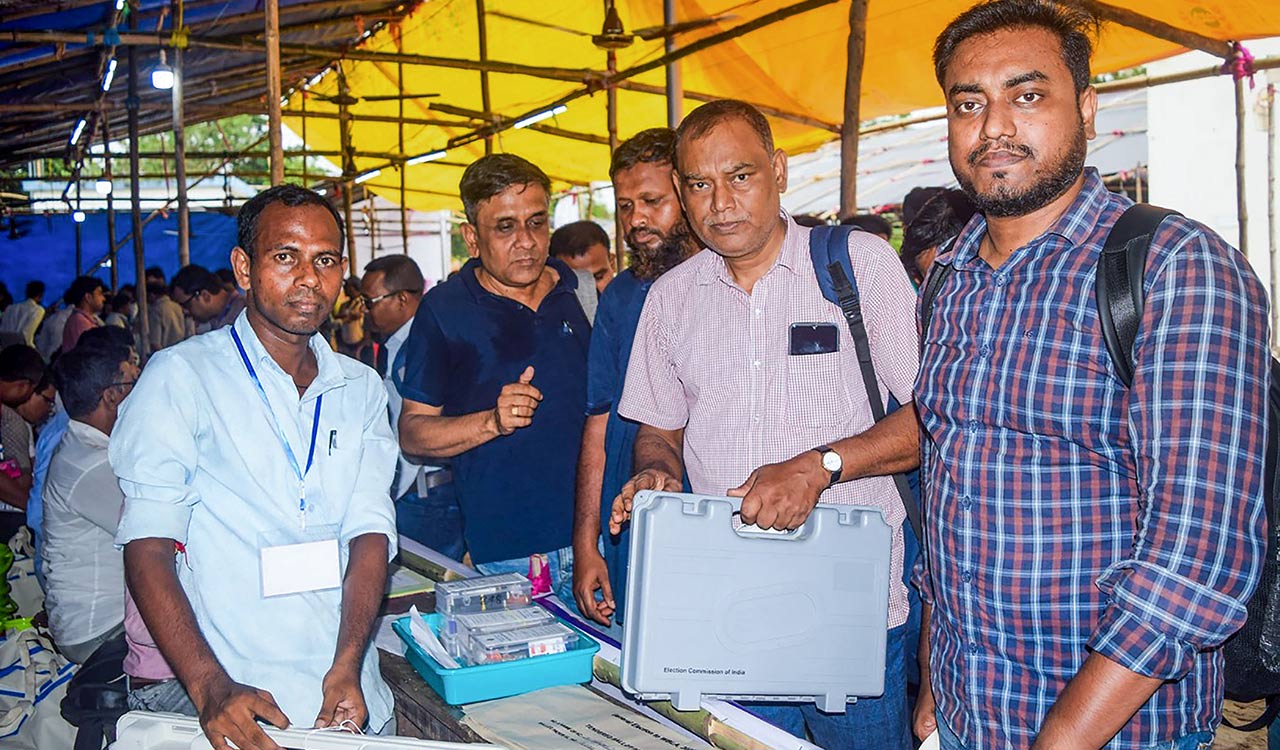
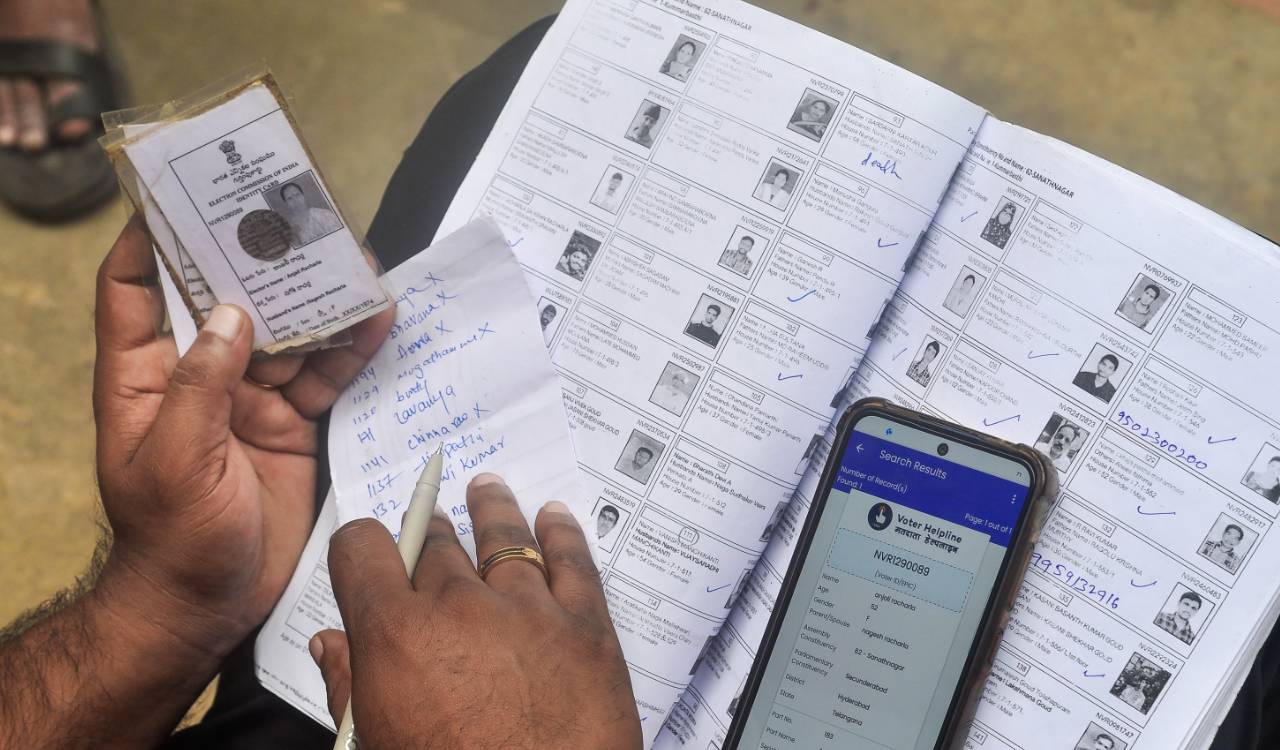
The Indian Express has reported that his two colleagues, Election Commissioners Sukhbir Singh Sandhu and Vivek Joshi, put objections in writing at least 14 times over 10 months, mostly about voter rolls during the Special Intensive Revision. The Opposition says it will move to remove him. The BJP says there is nothing to see: the commissioners argued, then agreed, and every final decision was unanimous.
Both responses miss the point. The real question is why the country’s most important referee has almost no way of being held to account short of removal, and why that one route is built never to work.
All or Nothing
Under Article 324(5), a CEC can be removed only in the same manner as a Supreme Court judge, for “proved misbehaviour or incapacity.” A notice needs 100 Lok Sabha or 50 Rajya Sabha MPs. The Speaker or Chairman decides whether to admit it, a committee inquires, and each House must then pass it by a special majority. No CEC has ever been removed.
That bar is high for good reason. A CEC who could be sacked by a simple majority would think twice before ruling against whoever held it.
But independence was never meant to mean no answerability. In Mohinder Singh Gill (1978), the Supreme Court said Article 324 “does not exalt the Election Commission into a law unto itself,” and that its functions “are subject to the norms of fairness.” Today, between removal and nothing, there is almost nothing.
In March, 130 Lok Sabha and 63 Rajya Sabha MPs signed notices. In April, both presiding officers refused to admit them, citing only a “careful and objective assessment.” No inquiry, no findings, no record. The new motion will likely meet the same fate. April’s lesson is not that the charges were false. It is that nobody got to test them.
Silence by Design
One commissioner argued that changing Form 6, which new voters use to register, required a rule amendment first. The other later called the change unauthorised. Nobody has publicly said who approved certain West Bengal appeals, or why a proposed audit of the Commission’s digital platform was dropped.
The Commission says disagreement is normal and decisions were unanimous. Its defenders add that two commissioners could have outvoted the CEC and did not. Perhaps they were persuaded. Perhaps they were unwilling to risk it. The public cannot tell, because dissent stays private unless someone leaks it.
Add Section 16 of the 2023 law, which bars courts from hearing civil or criminal cases against a serving or former commissioner for official acts. Protection from harassment is reasonable. Combined with secret dissent and a stalled impeachment route, it leaves the body that decides who may vote answerable to almost no one.
What Other Democracies Show
South Africa offers a middle path. Its electoral commissioners are shortlisted by a panel chaired by the President of the Constitutional Court. Removal begins with a finding in the Electoral Court, followed by a vote in the National Assembly. Evidence is tested by judges before politicians vote.
Britain has shown that the independence of its election watchdog can be openly defended. When the Elections Act 2022 let ministers issue a “strategy and policy statement” to guide the Electoral Commission, the Commission publicly called it “inconsistent with the role that an independent electoral commission plays in a healthy democracy.”
Kenya is the cautionary tale. In 2022, four election commissioners, led by the vice-chair, publicly disowned the presidential result hours before it was declared. The Supreme Court later found they had shown no evidence the election was compromised. Public dissent is not automatically right. It too must be tested.
Courts and the World
India’s dilemma is not unique, and international law has a view on it. Interpreting the International Covenant on Civil and Political Rights, which India has ratified, the UN Human Rights Committee said in General Comment 25 (1996) that “an independent electoral authority should be established to supervise the electoral process and to ensure that it is conducted fairly, impartially and in accordance with established laws.”
Independence is the means. Fairness is the end. Europe’s Venice Commission, in its 2002 Code of Good Practice in Electoral Matters, makes the same point: an impartial body must be in charge of applying electoral law.
Courts abroad have shown what accountability looks like when it is not left to politicians. On September 1, 2017, Kenya’s Supreme Court annulled a presidential election by a 4-2 majority, finding that the electoral commission had not transmitted results in a credible manner. It did not accuse the winner of wrongdoing. It held the referee to the rules.
Malawi went further. Its Constitutional Court annulled the 2019 presidential election in February 2020, and the Supreme Court upheld that ruling, finding the commission negligent and incompetent. Its chair, Jane Ansah, resigned in May 2020. In the June rerun, the opposition won.
These cases cut both ways, and that is the lesson. The same Kenyan court that faulted its commission in 2017 dismissed the dissenting commissioners’ claims in 2022 for want of evidence. In neither case did a parliamentary majority settle the matter. An open, evidence-based process did, one that anyone could follow and either side could lose.
India need not import these models wholesale. But it should notice what they share: allegations tested in public, and reasons given for every decision. That is the standard our own Supreme Court set in Mohinder Singh Gill. We have simply not built the machinery to meet it.
Five Fixes
First, publish dissent. In Union of India v ADR (2002), the Supreme Court held that the voter’s right to know flows from free speech under Article 19(1)(a). It should extend to how rolls are made. After the 2019 dispute over Ashok Lavasa’s objections, the Commission said dissent notes need not be part of final orders. That position no longer holds.
Second, give all commissioners equal security. In TN Seshan v Union of India (1995), the Court held that commissioners are on a par with the CEC and that the majority prevails. Yet the other two can still be removed on the CEC’s recommendation. Nobody suggests that power has been used, but a dissenting commissioner knows it exists.
Third, fix appointments. Anoop Baranwal (2023) put the Chief Justice on the selection panel until Parliament legislated. Parliament replaced him with a minister chosen by the Prime Minister, giving the government two of three votes. On September 23, a Supreme Court bench split on referring the challenge to a Constitution Bench. Justice Dipankar Datta asked whether the new panel passes the “perception test.” Parliament should restore a neutral member.
Fourth, make gatekeepers give reasons. In Kihoto Hollohan (1992), the Court held that a Speaker deciding defection cases acts as a tribunal whose decisions are subject to judicial review. Refusing a notice signed by 130 MPs deserves at least recorded reasons.
Fifth, audit the software. An independent technical audit of the Commission’s digital systems should be routine.
No Free Passes
None of this requires assuming the worst of Gyanesh Kumar. There is no public evidence yet of proved misbehaviour, and Justice Datta cautioned against presuming appointees lack integrity. Calling officials “traitors,” as opposition leader Rahul Gandhi has, lets critics dismiss reform as sore losing.
Equally, the government cannot treat the present system as beyond question. BJP leaders rightly note that some Congress-era CECs were later rewarded with governorships and party tickets. That is exactly why rules, not goodwill, must carry the weight.
An election commission draws its authority from something no constitution can guarantee: losers believing they lost fairly. That belief survives on reasons given, dissent recorded and questions answered. Parliament should stop fighting over one man’s removal and build a Commission that answers for itself.
(Prof [Dr] Ghulam Yazdani is Dean, Faculty of Law, Jamia Millia Islamia (Central University), New Delhi. Shashank Shekhar is Research Scholar, Faculty of Law, Jamia Millia Islamia, New Delhi, and Assistant Professor of Law, Lloyd Law College, Greater Noida. Views expressed are personal)

Related News
-

BJP to launch nationwide campaign to counter Cong claims on SIR, ECI
-
SC issues notice to ECI on Rahul Gandhi-led plea against Special Intensive Revision exercise
-
Owaisi moves Supreme Court against SIR, alleges irregularities in EC decision-making
-
Over 6.70 lakh Telangana electors miss SIR hearings, 15,281 skip rescheduled dates