Hyderabad’s KBR Park project gets a rethink after one-way traffic system
Hyderabad’s revised KBR Park traffic plan replaces multiple proposed flyovers and underpasses with a unified elevated corridor. The rethink, following the introduction of one-way traffic, raises wider questions about urban planning, public expenditure, environmental concerns and the need to assess simpler solutions first


Hyderabad: Lacking foresight, driven by hindsight. That’s seems to be motto of Telangana government these days.
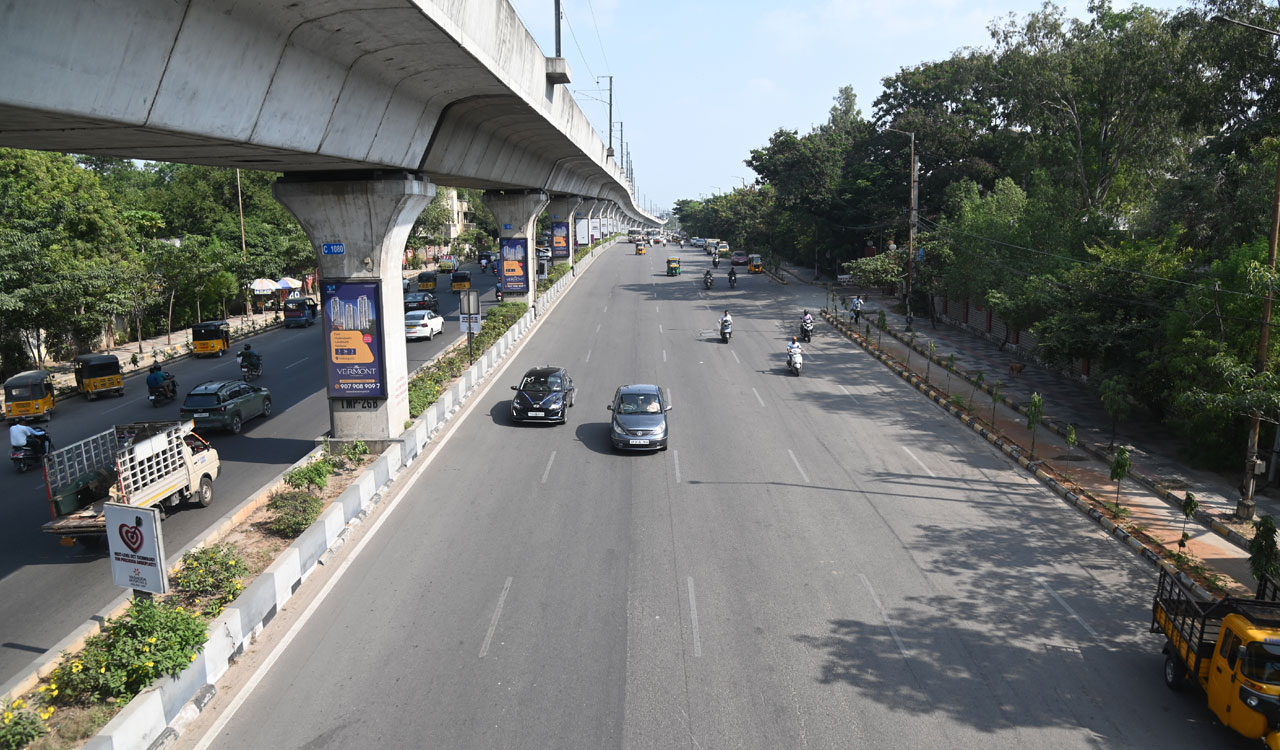
Promising to streamline the traffic around KBR Park, the Greater Hyderabad Municipal Corporation (GHMC) announced a grandiose project with an estimated cost of Rs. 1,900 crore, comprising seven flyovers and seven underpasses, and took up works at a massive level only to shelve it later.
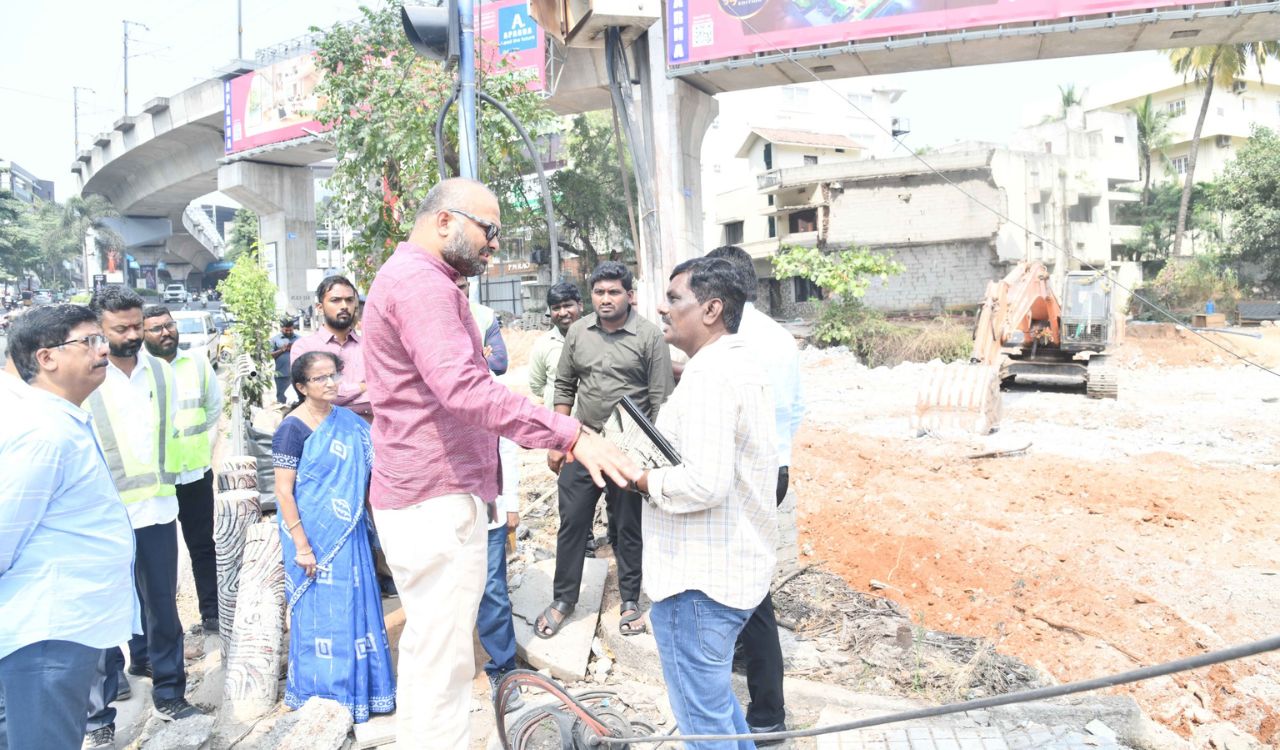
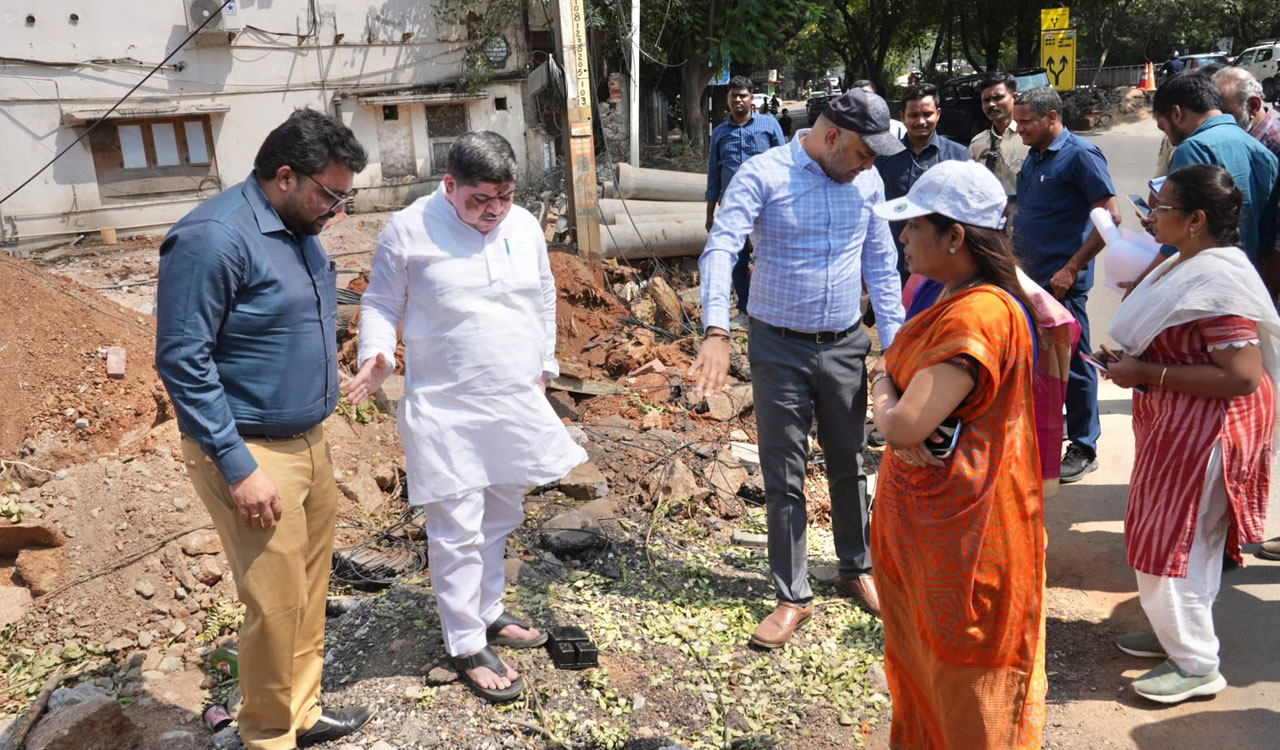
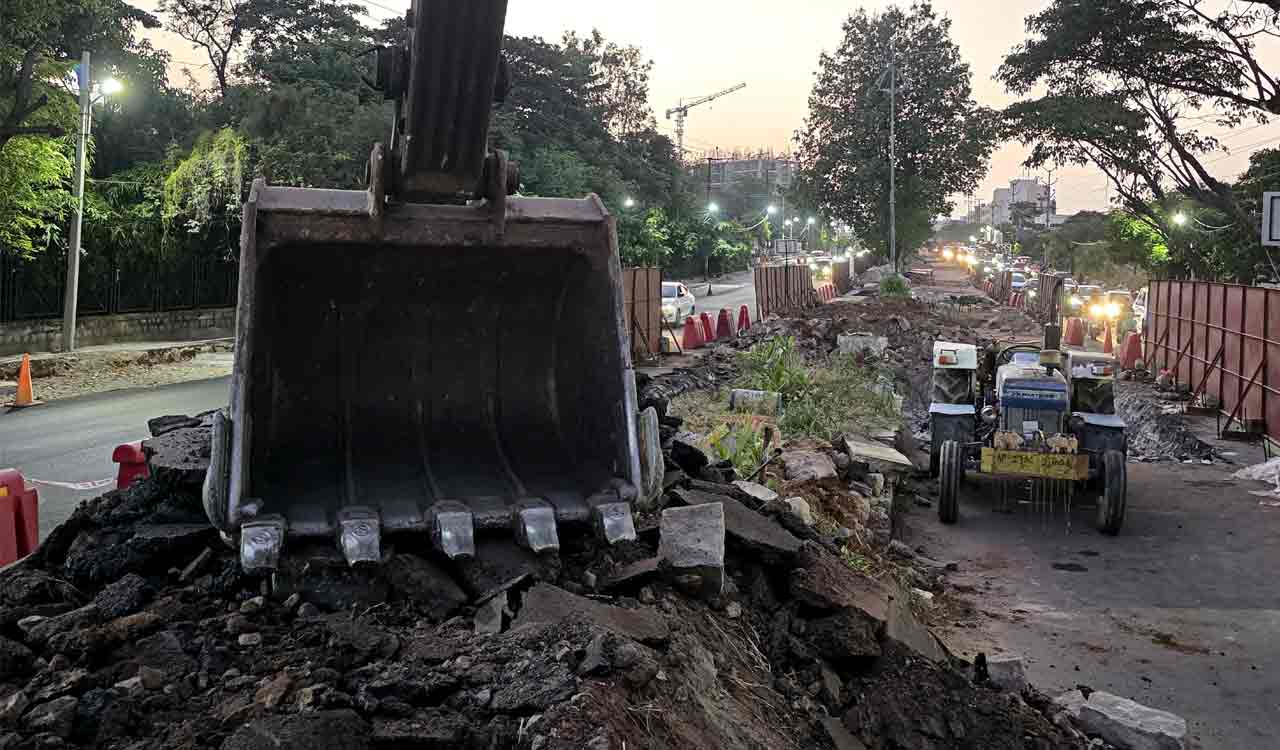
Meanwhile, the road stretches were scarred with pits and craters, commuters were put to hardships and the biggest damage done was ecological. Scores of decades-old trees were mercilessly chopped down and the entire area was shorn off the green cover which would take ages to again set up.
In the process, apart from the indescribable inconvenience to commuters, public money was sunk – just because the civic body was shortsighted in approach and lacked a vision. The pits have to be filled up again and the roads restored, which again would mean pumping in tax payers’ hard earned money.
The entire project around KBR Park, aimed at creating signal-free junctions and to alleviate the heavy traffic under Hyderabad City Innovative and Transformative Infrastructure (H-CITI) project, clearly lacked creative ideation, proper assessment and minimalist approach to solve the problems.
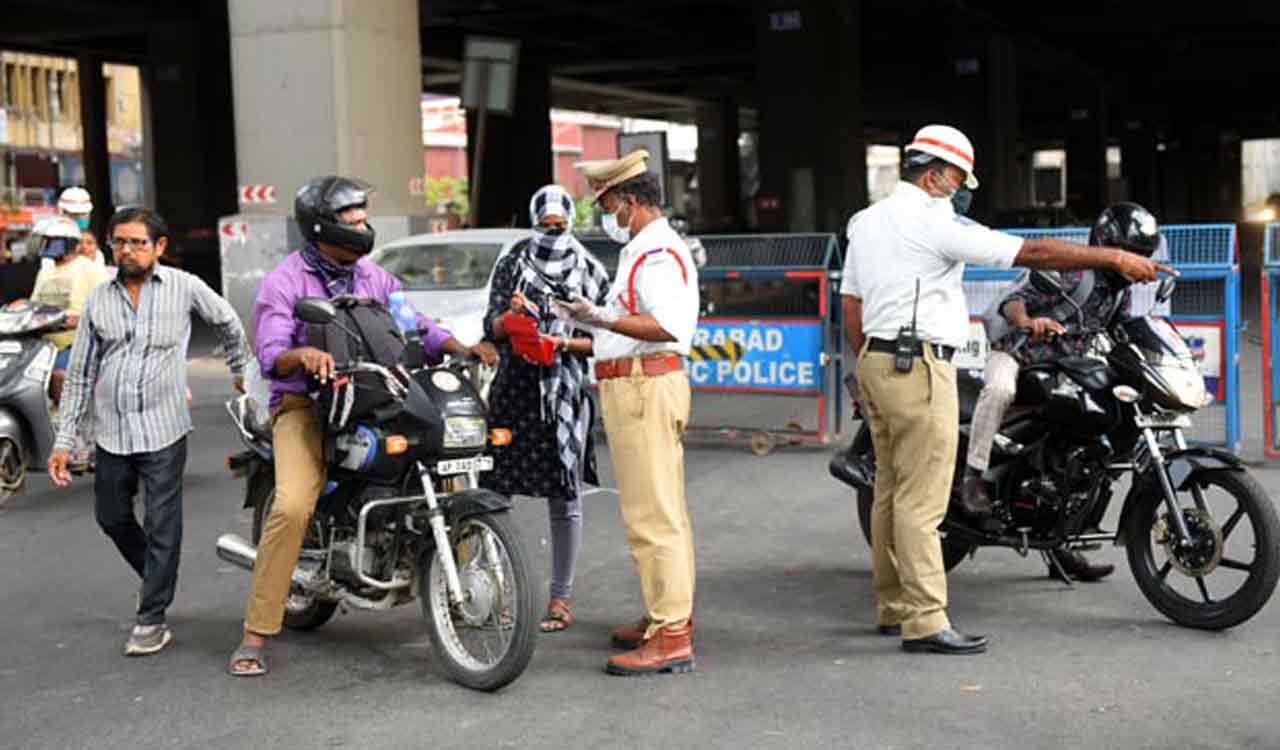
It just tried to build upon grand designs of ringing the national park with a series of flyovers and underpasses at a huge cost. Ironically, a simple and creative solution emerged in the form of a circulating one-way traffic, which to its credit, the Hyderabad Police despite initial apprehensions from various quarters, successfully implemented.
Mid-course corrections are indeed welcome but the scant respect to public money does hurt the tax payers. Being widely debated now is the haphazard planning and inadequate attention to details on part of the GHMC in coming up with solutions in solving issues related to civic amenities and improving them.
Now, as an exculpatory measure, the GHMC higher-ups seek to sell the narrative that the city would be saving huge money by going in for a continuous, unified elevated corridor from Jubilee Hills Check Post to NFCL Junction, replacing the earlier plan of ‘fragmented grade separators’.
The ‘new plan’ envisages a flyover spanning from Jubilee Hills check-post Junction to Mugdha junction at a cost of Rs. 580 crore and a steel flyover from Mugdha junction to Muffakham Jah College at Rs.510 crore.
Together, these two components, the officials take pains to explain, would have an investment of Rs.1,090.00 crore with Rs.800 crore saved in land acquisition and Rs.400 crore saved in construction cost. “The total public exchequer savings will be around Rs.1,200 crore,” the officials try to reassure the citizens.
Complex problems often are addressed with simple solutions. The complex traffic issues did not have a solution in grand flyover and underpass designs of the GHMC but in a simple one-way traffic movement as shown by the city police.

Related News