ICC confirms Bangladesh T20 World Cup matches in India
The ICC has rejected Bangladesh’s request to shift its T20 World Cup 2026 fixtures to Sri Lanka, confirming matches will be played in India. Security reviews found no credible threat, with the ICC warning against setting a precedent for venue changes


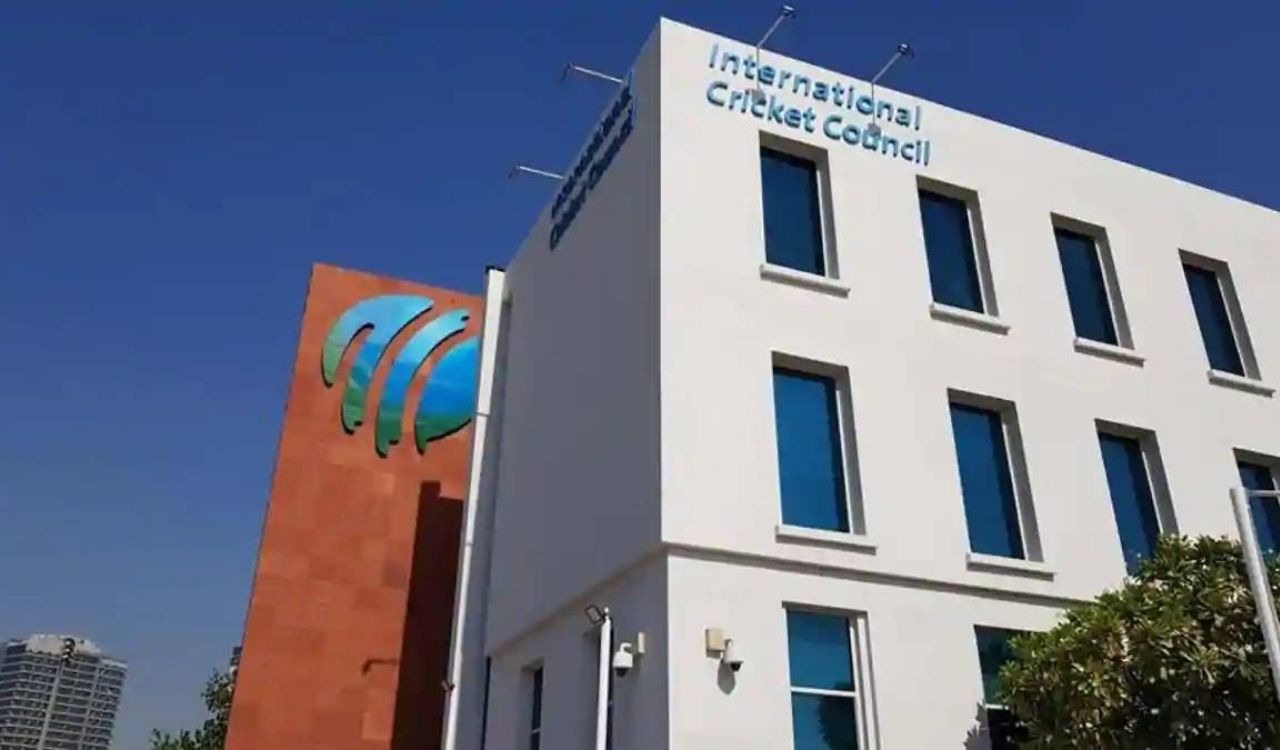
Hyderabad: The International Cricket Council (ICC) today confirmed that the ICC Men’s T20 World Cup will proceed as scheduled, with Bangladesh’s matches to be played in India.
The decision followed an ICC Board meeting held via video conference after the Bangladesh Cricket Board (BCB) requested its fixtures be shifted to Sri Lanka.
The ICC said the decision was based on security assessments, including independent reviews, all of which indicated there was no threat to Bangladesh players, officials, media or fans at any of the tournament venues in India.
The Board noted that changes were not feasible so close to the tournament and warned that altering the schedule without a credible security risk could set a precedent undermining the sanctity of future ICC events and its neutrality as a global governing body.
The ICC management said it had engaged in sustained dialogue with the BCB, sharing detailed security plans and assurances from host authorities, including layered federal and state law-enforcement support.
An ICC spokesperson said: “Over the past several weeks, the ICC has engaged with the BCB in constructive dialogue, with the clear objective of enabling Bangladesh’s participation. Independent security assessments and venue-level plans consistently concluded there is no credible threat to the Bangladesh team in India.”
The spokesperson added that the BCB’s concerns were linked to an unrelated domestic league issue, which had no bearing on the tournament’s security framework.
“The ICC’s venue and scheduling decisions are guided by objective threat assessments, host guarantees, and agreed terms of participation. Relocating fixtures without credible findings would carry logistical consequences and risk undermining neutrality and fairness,” the spokesperson said.

Related News