India to roll out E20 fuel nationwide from April 1
India will roll out E20 ethanol-blended petrol nationwide from April 1, 2026. While the move aims to reduce oil imports and emissions, concerns remain over fuel efficiency, vehicle compatibility, environmental impact and pressure on ethanol supply chains.
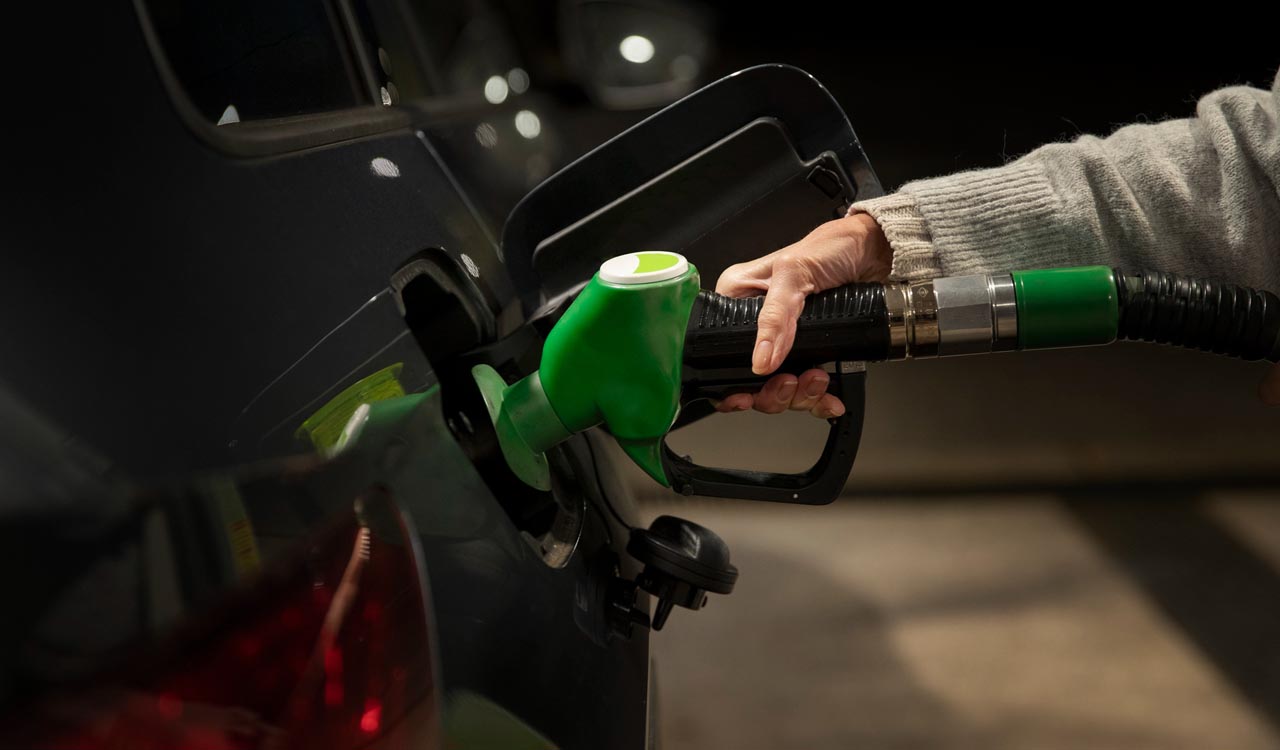


Hyderabad: The Centre is set to roll out ethanol-blended petrol with up to 20 percent ethanol, commonly referred to as E20 fuel, across the country from April 1, 2026, marking a significant step in India’s energy transition strategy.
The Ministry of Petroleum and Natural Gas has stated that the fuel will have a minimum Research Octane Number (RON) of 95 to ensure optimal engine performance despite the higher ethanol content. Officials said the fuel would conform to standards prescribed by the Bureau of Indian Standards.
The nationwide rollout is aimed at reducing dependence on crude oil imports and lowering vehicular emissions. However, the move has triggered widespread debate over its implications for consumers, the automobile industry and the environment.
Vehicle owners have raised concerns over possible changes in fuel efficiency and engine performance. Since ethanol has lower energy density compared to petrol, experts estimate that fuel economy could drop by 2 to 7 percent, particularly in older vehicles that are not designed to run on E20 fuel. There are also apprehensions about long-term wear and tear, as ethanol’s tendency to absorb moisture may affect rubber and plastic components in engines.
Industry bodies, including the Automotive Research Association of India and the Society of Indian Automobile Manufacturers, have sought to allay fears, maintaining that E20 fuel is safe and that concerns over engine damage are largely unfounded.
Environmental experts note that while ethanol blending can help reduce emissions such as carbon monoxide, hydrocarbons and particulate matter, it may lead to an increase in nitrogen oxides and acetaldehyde. They also point out that India currently lacks comprehensive standards to monitor some of these emissions.
Another concern relates to fuel volatility. Higher ethanol content can increase evaporation rates, especially in high temperatures, potentially adding to air pollution and placing additional stress on emission control systems in older vehicles.
The policy is also beginning to impact supply chains beyond the transport sector. Rising demand for ethanol has reportedly put pressure on availability for industries such as pharmaceuticals, chemicals and beverages, prompting some players to turn to imports. Experts caution that diverting crops like sugarcane and maize for fuel production could have implications for food prices and water usage.
Some analysts argue that an aggressive push towards ethanol may delay the adoption of cleaner alternatives such as electric vehicles, calling for a more balanced transition strategy.
Concerns have also been raised by critics and opposition parties, who allege a conflict of interest in Union Minister Nitin Gadkari’s strong advocacy of ethanol policies, citing the involvement of his sons in ethanol-related businesses. No official response was immediately available.
On the automotive front, readiness remains uneven. While newer vehicles are being manufactured to support E20 fuel, retrofit solutions for older vehicles are limited. Royal Enfield has introduced conversion kits for select older motorcycles, while Maruti Suzuki has indicated plans to offer similar solutions. Other manufacturers are yet to announce clear timelines.
As India moves ahead with the E20 rollout, its broader impact on consumers, industry preparedness and environmental outcomes is expected to be closely monitored.

Related News