Opinion: NEET (UG) 2026 — A test of trust
Without systemic trust, security will remain vulnerable to human failure, and meritocracy will continue to be betrayed


By Dr Sreeramulu Gosikonda
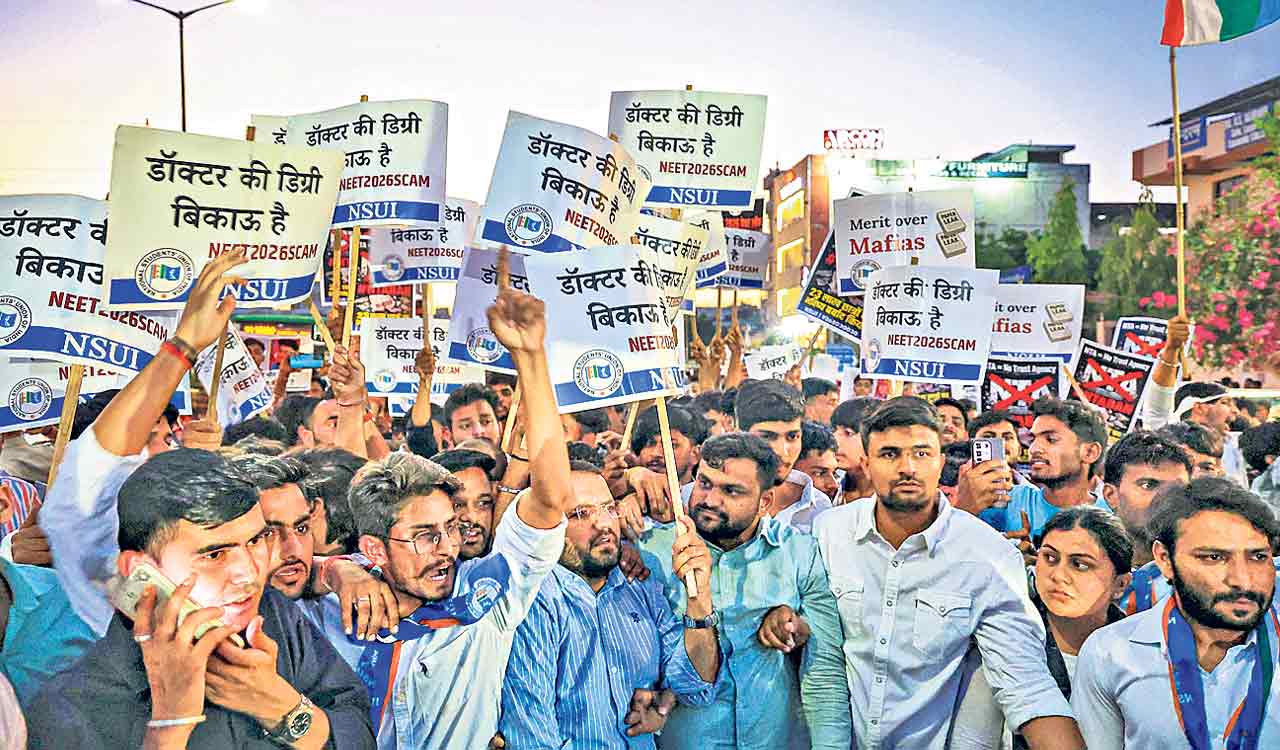
The cancellation of NEET (UG) 2026 due to a paper leakage has shaken the foundations of India’s examination system. Conducted across 551 cities in India and 14 abroad, with over 5,432 centres and nearly 22.79 lakh registered candidates, NEET was among the largest entrance examinations in the world. The sheer scale of mobilisation — over 2 lakh personnel, GPS-tracked vehicles, AI-assisted CCTV monitoring, biometric verification, and 5G jammers — reflected the seriousness with which the National Testing Agency (NTA) sought to safeguard the process.
Also Read
Yet despite this unprecedented coordination, the question paper leak exposed a systemic failure that undermines both institutional credibility and the aspirations of millions of students. The Public Examinations (Prevention of Unfair Means) Act, 2024, prescribes penalties of up to 10 years in prison and fines of Rs 1 crore, making it one of India’s toughest laws against paper leaks.
Systemic Failure
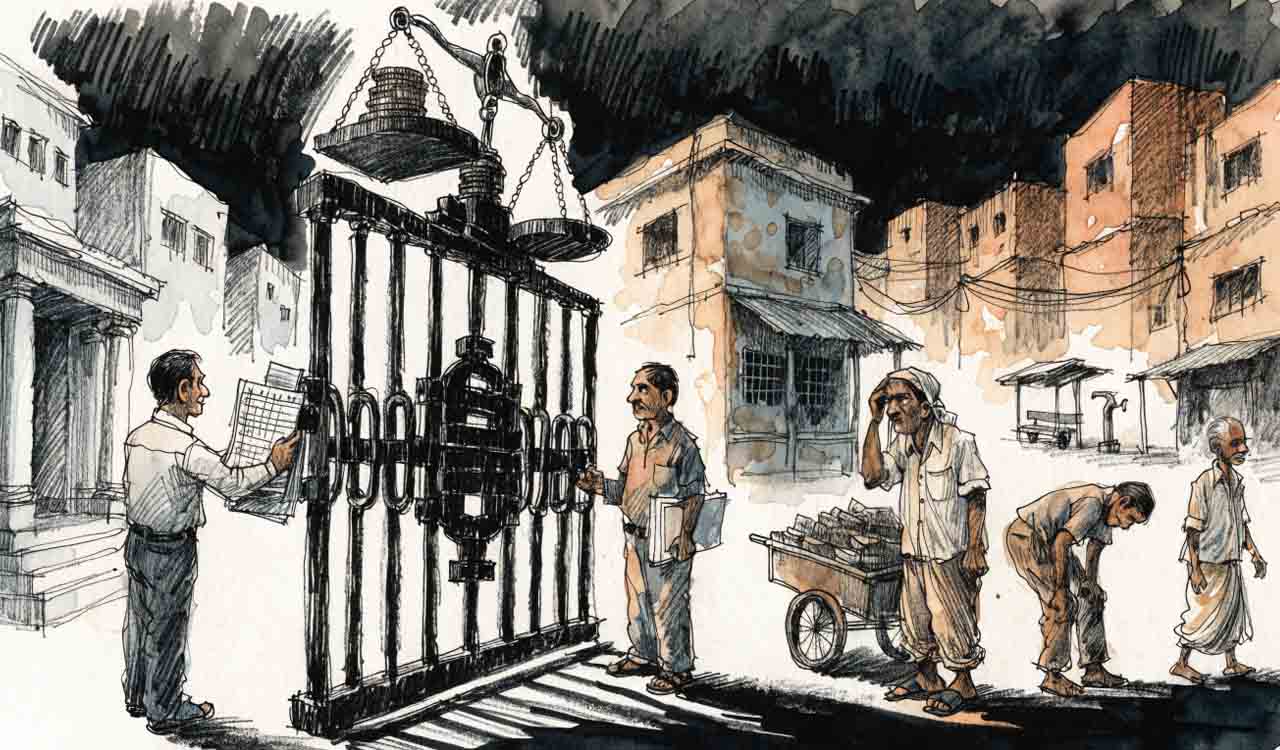
The paradox of NEET 2026 lies in the contrast between its elaborate security apparatus and the eventual breach. Aadhaar-based authentication, high-sensitivity frisking, blocking of 65 Telegram channels, and deployment of thousands of observers were all in place. Yet, the leakage reveals that the problem is not merely logistical or technological but rooted in deeper institutional accountability.
When an exam of such magnitude collapses under malpractice, it signals that corruption and negligence run deeper than surface-level fixes. Unless systemic trust is rebuilt, every layer of security will remain vulnerable to human failure, and the promise of meritocracy will continue to be betrayed. For students and parents, the message is clear: success must come through aptitude, preparation, and fairness — not shortcuts or corruption.
Invigilators’ Burden, Students’ Strain
Serving as an invigilator for NEET is an arduous responsibility that extends far beyond supervision. Clerical work — multiple signatures, pasting and verifying photographs, recording times of paper distribution and collection — consumes nearly 90 minutes (half of the exam time) for just 12 candidates. Invigilators undergo mandatory training the day before and spend 9 AM to 6 PM on duty, despite the exam lasting only three hours.
Candidates are also allowed to enter the halls by 11 AM and sit idle until 1:30 PM, which creates boredom and tension. Excessive procedures, such as postcard-sized photographs and repeated thumb impressions despite biometric verification and videography, add duplication without enhancing security. Moreover, requiring invigilators to accompany candidates to the washroom is unwelcome, as they already face heavy clerical responsibilities. A streamlined process is essential to reduce stress and ensure fairness.
Reconducting an exam is not merely about paying another fee; it is about safeguarding transparency, rebuilding trust among stakeholders, and managing immense logistics
In today’s advanced technological world, one must ask: why can’t entrance exams be conducted online with transparency? The current physical mode resembles the scale of an election, with police deployment and strict protocols that burden both students and staff. In fact, technology alone cannot guarantee fairness.
As sociologist William Ogburn noted, societies adapt quickly to material culture (technology) while neglecting non-material culture, such as values and ethics. This imbalance is evident in our exam system. Without moral responsibility among stakeholders, even the most advanced systems will fail.
Misplaced Merit in Medicine
Parents, too, must introspect. Imposing unfulfilled dreams on children without considering their aptitude and interests leads to frustration. Success in medicine demands patience and dedication, and not every child can or should become a doctor. India offers meaningful alternatives such as Agriculture, Pharmacy, Biotechnology, Biochemistry, and basic life sciences like Botany and Zoology.
For those determined to pursue medicine, some parents send their children abroad to destinations like the Philippines, China, Kazakhstan, or Georgia. While many succeed, they must clear the Foreign Medical Graduates Examination to practice or pursue postgraduate studies in India, as mandated by the National Medical Commission. Teachers and college managements must create awareness about these realities, but this responsibility is often neglected.
When parents insist on medicine at any cost, some resort to middlemen and malpractice, fueling systemic corruption. As Philip Brown’s concept of parentocracy shows, parental wealth and wishes increasingly shape children’s careers — a trend now visible in India.
Max Weber’s idea of meritocracy reminds us that society selects individuals for diverse roles — teachers, lawyers, administrators — based on ability. Durkheim’s division of labour emphasises that all professions are essential for social harmony. While doctors are revered in India as Vaidyo Narayana Hari —second gods who give life — not everyone can or should become a “second god.”
Restoring Trust
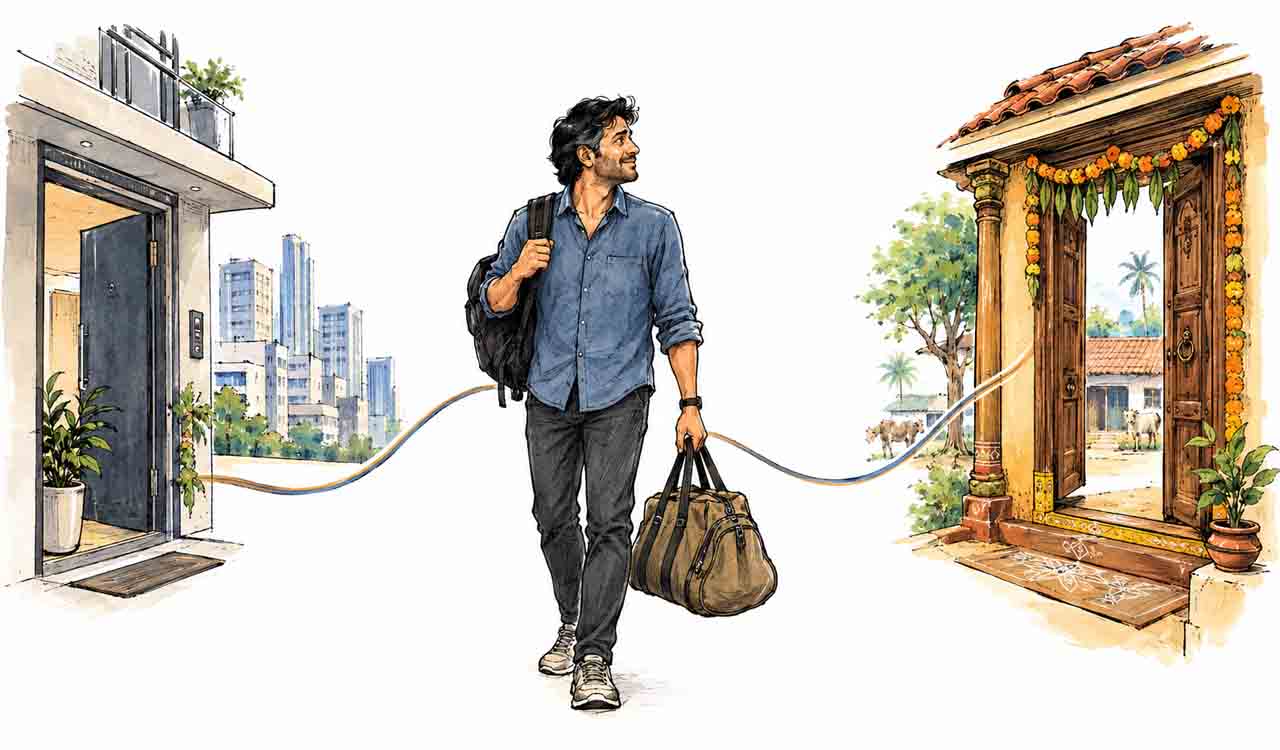
Reconducting an exam is not merely about paying another fee; it is about safeguarding transparency, rebuilding trust among stakeholders, and managing immense logistics. Students, parents, and exam personnel — including observers, superintendents, and invigilators — must reinvest time, effort, and resources. Candidates face the burden of re-preparation, repeated travel to centres, and delays in admission processes, leaving their dreams in limbo and causing mental trauma among deserving students.
Parents also bear extra costs to private coaching institutions. To reduce unnecessary tension, colleges and teachers should provide hands-on training in filling in basic details and bubbling answers on OMR sheets. Providing an additional 15 minutes to compensate for mandatory paperwork, along with allowing candidates to choose their preferred exam city, are appreciable measures for the re-exam. The invigilators’ role should prioritise exam integrity over clerical overload, while parents must refrain from unfair means and instead guide children toward careers aligned with aptitude and interest.
Strict enforcement of existing laws, ensuring fair public examinations, can send a clear message against paper leakages. However, laws and technology alone cannot restore trust. The cancellation of NEET 2026 is not merely about a leaked paper—it is about a leaked trust. True reform demands moral responsibility across parents, teachers, institutions, and government.
As Jyotirao Phule warned, lack of education breeds lack of wisdom and morals. Teachers must cultivate honesty, integrity, and fairness among students while guiding parents to explore diversified career options beyond medicine.
Ultimately, value-based education, ethical responsibility, and genuine guidance can end malpractice, protect meritocracy, and ensure that students’ aspirations are shaped by ability rather than systemic failure or misplaced parental pressure. Restoring trust is not optional — it is the foundation of India’s educational future.
(The author is Assistant Professor, Department of Sociology, Faculty of Social Sciences, Banaras Hindu University, Varanasi. Views are personal)

Related News