Intermittent fasting could help protect the brain from age-related diseases like Alzheimer’s
Intermittent fasting may help counteract amyloid-ß accumulation in the brain and protect against age-related brain cell death.



South Africa: As the world population has grown older, Alzheimer’s disease has become increasingly common. Alzheimer’s disease is the most prevalent form of dementia. Dementia is a term used to describe a range of symptoms linked to the decline in brain function with age. Symptoms include memory loss, communication difficulties, problem-solving struggles, and personality or behavioural changes.
Alzheimer’s disease is an increasingly urgent global issue. The World Health Organisation predicts that the number of people with the condition will triple by 2050. Despite this growing problem, Alzheimer’s disease remains a relatively understudied condition. This is particularly the case in sub-Saharan countries such as South Africa.
Also Read
One major challenge is that Alzheimer’s is a complex condition with no known cure. However, researchers have identified several key risk factors associated with the disease. These include age, genetics, lifestyle factors and underlying medical conditions.
In recent years, one of the most promising areas of research on age-related diseases, such as Alzheimer’s disease, has been the accumulation of harmful proteins in the brain. Specifically amyloid-ß. Amyloid-ß has remained a prominent area of research in Alzheimer’s disease as its build-up is a classic feature in the development of the condition. Understanding its involvement in the disease process is crucial for advancing our knowledge and developing effective strategies to diagnose, prevent and treat the disease.
The accumulation of amyloid-ß can lead to the formation of plaques. These plaques can interfere with communication between brain cells. This ultimately contributes to cognitive decline and other symptoms associated with Alzheimer’s disease.
Amyloid-ß is a large membrane protein that is essential in neural growth and repair. But its corrupted form in later life can destroy nerve cells. This triggers the loss of thought and memory that is associated with Alzheimer’s.
We therefore sought to find out if dietary interventions, particularly intermittent fasting, would counteract the accumulation of amyloid-ß in the brain and potentially safeguard against age-related brain cell death.
In a paper published in 2021, my colleague and I showed that in experiments conducted in mice we found that intermittent fasting counteracted amyloid-ß accumulation in the brain. These findings were further confirmed in a paper published in May of 2022.
Our findings are an important contribution to the search for the potential role of dietary interventions and are consistent with previous studies supporting the idea that intermittent fasting may help counteract amyloid-ß accumulation in the brain and protect against age-related brain cell death. To my knowledge, the most recent study using a variation of intermittent fasting, was published in September 2022. The clinical branch of this study remains ongoing.
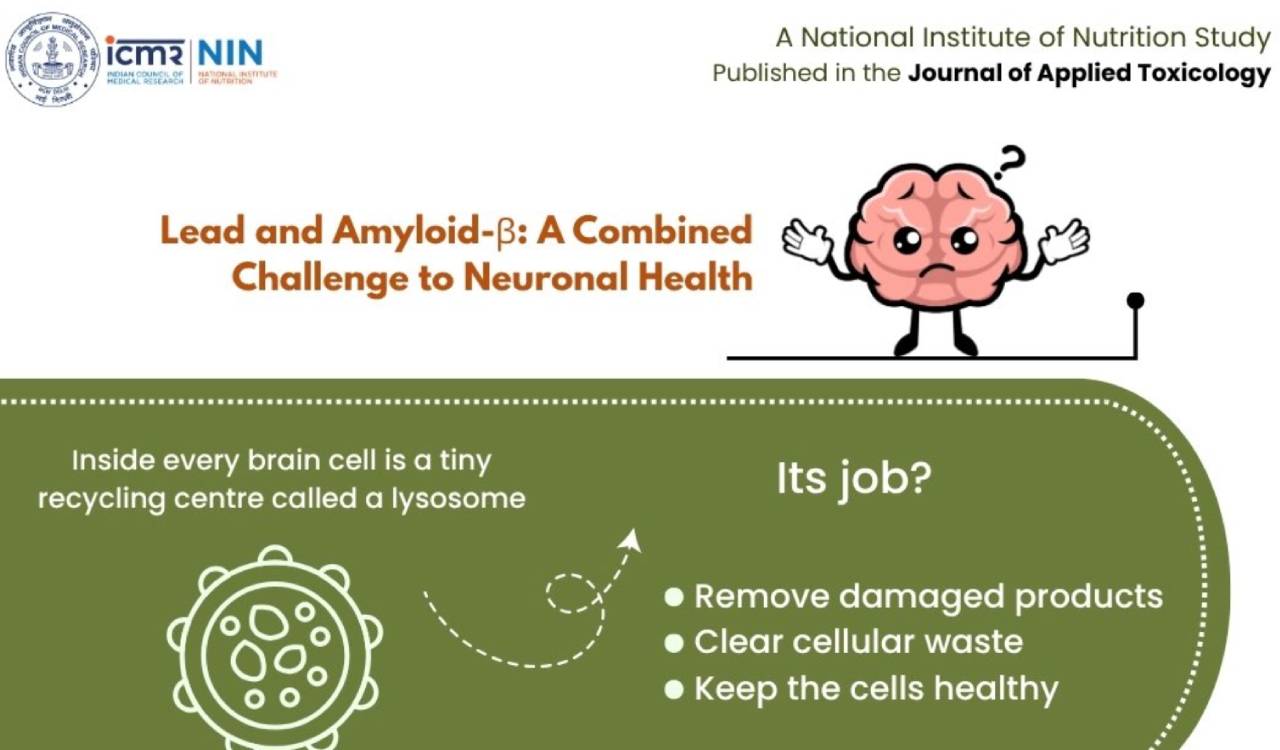
Research into the causes of Alzheimer’s has gathered pace in recent years with new ground being broken on a regular basis as scientists search for treatments. Our study’s findings suggest that intermittent fasting may be an effective way to increase the efficiency of autophagy – the process that breaks down and recycles damaged or unnecessary cellular components, such as organelles and toxic proteins. This process can therefore reduce the risk of amyloid-ß build-up and associated brain cell death.
These findings are particularly significant because they shed light on the relationship between autophagy and the death of brain cells with age, and the potential therapeutic benefits of interventions that target this process.
How it works
Intermittent fasting is a dietary approach that involves regulating food intake by alternating periods of fasting and eating. This dietary regimen comprises periods of restricted food consumption, followed by periods of normal eating.
There are different types of intermittent fasting. One is time-restricted eating, where food is consumed within a specific time window each day. Alternate-day fasting is where food is restricted every other day.
Intermittent fasting has been shown to have various health benefits. Some of the benefits relate to the promotion of brain health. Our study’s findings suggest that intermittent fasting may be an effective way to increase the efficiency of autophagy, an essential process for removing toxic or misfolded proteins that can build up in cells.
Sometimes autophagy doesn’t work properly to remove harmful proteins or other cellular components from cells. This has been strongly implicated in the development and progression of various age-related diseases, and is a target of research for potential therapies.
What we did
In our study we investigated the effects of intermittent fasting on brain cells in mice, and brain cells isolated from mice with increased amyloid-ß toxicity. Mice cells are frequently used as a model for human cells in scientific research. This is because of the significant genetic similarity between mice and humans. This use of animal models allows researchers to gain valuable insights and test hypotheses. It is generally considered ethically preferable before potentially conducting human studies.
We found that 24 to 48 hours of intermittent fasting by mice provided protection against cell death in specific regions of their brain. We noted increased autophagy levels in cells of fasted mice. Even in the presence of a high amyloid-ß protein load in brain cells, intermittent fasting maintained autophagy activity. And the process remained effective over a 21-day treatment intervention period.
By increasing the efficiency of autophagy, it is possible to maintain the removal of harmful proteins in cells, even as we age.The findings of this study suggest that interventions such as intermittent fasting could potentially protect against the development of age-related diseases. This has important implications for public health.
Intermittent fasting is a relatively simple dietary intervention: it’s easy to do. It has the potential to be widely adopted as a preventive measure against the onset of age-related diseases. These findings also provide a basis for future research into the mechanisms by which intermittent fasting protects against brain cell death, exploring the potential for additional therapeutic interventions that target autophagy, and examining the effects of different fasting regimens on brain health.

Related News