KCR’s strategic patience and preference for political identity over electoral gains
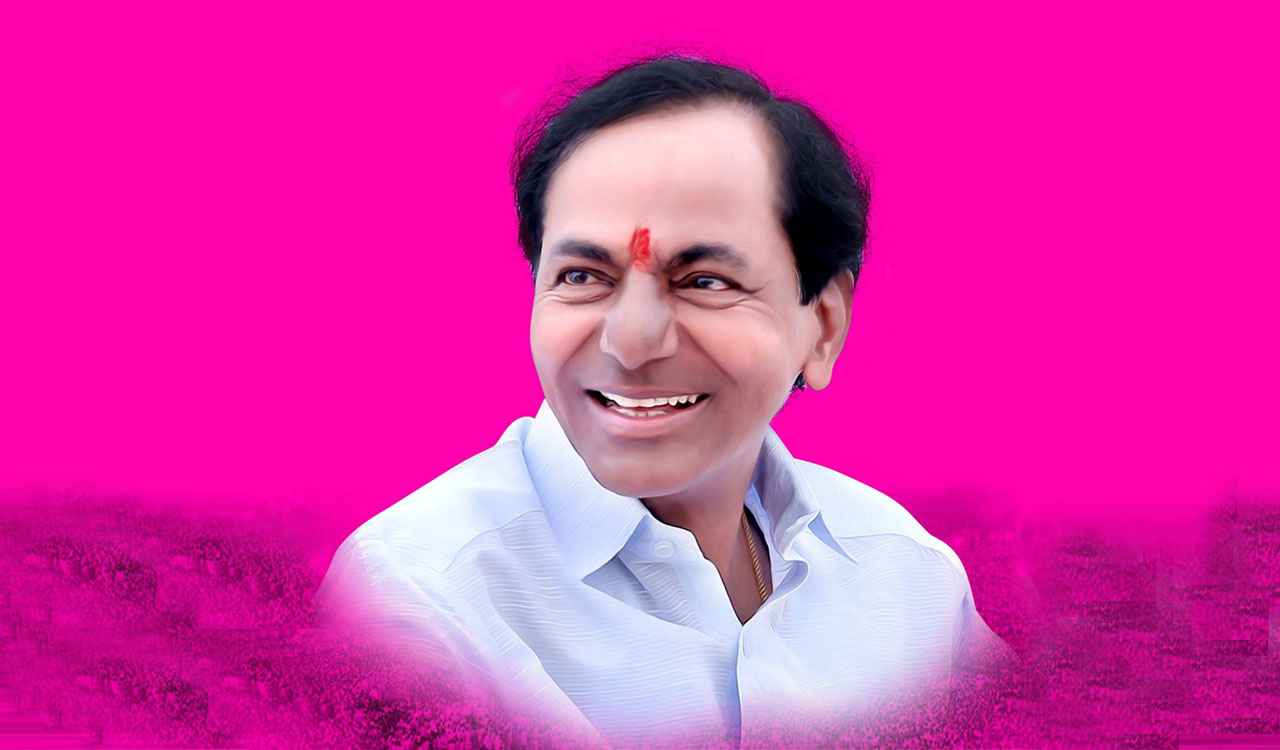
Political developments since the 2023 Telangana elections suggest BRS chief K. Chandrashekhar Rao prioritised long-term party autonomy over short-term alliances. His approach reflects broader trends affecting regional parties amid rising nationalisation of politics and growing dependence on campaign consultancies.
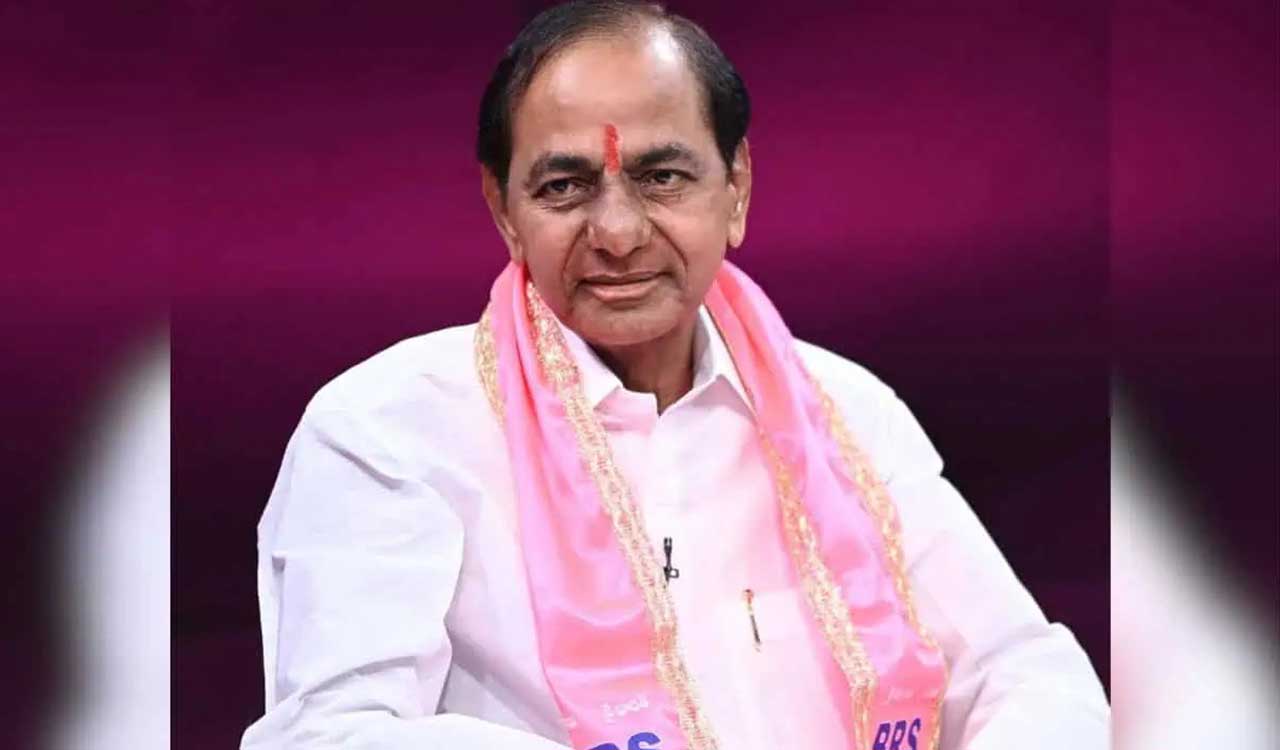


Hyderabad: Before the 2023 Telangana Assembly elections, many within political circles believed BRS chief K Chandrashekhar Rao was fighting merely to retain power. But developments since then increasingly suggest that Chandrashekhar Rao might have been thinking beyond a single election cycle.
At a time when regional parties across India were aligning with national forces for immediate electoral gains, Chandrashekhar Rao operated with a different assessment of India’s changing political landscape. His political calculations before the Telangana polls not only indicated confidence in his governance model, but also a deeper concern about the long-term survival of regional parties.
That mindset perhaps explains several decisions that, at the time, puzzled leaders even within his own party. The BRS chief consciously avoided entering into tactical alliances with both the Congress and the BJP despite growing political polarisation.
Significantly, he also resisted excessive dependence on high-profile poll strategies and political consultants who became influential in many State elections. Except for a brief phase, the BRS relied primarily on its own organisational structure, cadre network and Telangana model of welfare and development.
Critics interpreted this as over-confidence and possible political isolation. But as BRS leaders repeatedly said, Chandrashekhar Rao was not inclined for short-term gains, and instead, chose the party’s long-term organisational autonomy and political identity. Developments across India have increasingly given weight to that argument.
Several regional parties that aligned closely with national parties eventually faced erosion of political identity and independent space. Parties allied with the BJP often struggled, with the Shiromani Akali Dal suffering a steep decline in Punjab and the Shiv Sena eventually splitting after years of alliance politics. Janata Dal (United), which repeatedly shifted alliances, failed to maintain ideological consistency and political relevance.
Critics argued that the Congress proved no different in dealing with allies. Parties like Samajwadi Party, RJD, All India Trinamool Congress and DMK joined forces with the Congress to form an anti-BJP alliance and avoid a vote split. Ironically, all these regional parties suffered political setbacks due to this alliance and yet, the Congress was only concerned about itself. In the latest instance, the Congress did not hesitate to ditch its pre-poll alliance with DMK and offer a helping hand to the actor-turned-politician Vijay’s TVK, strengthening the argument that national parties prioritise their own expansion.
Political analysts also increasingly questioned the growing dependence on campaign consultancies.
According to the latest reports on West Bengal Assembly elections, modern political consultancies were creating parallel informational and mobilisational infrastructure outside traditional cadre systems. Critics believe excessive professionalisation was weakening grassroots politics and disconnecting leadership from organisational realities, as well as the people of the State.
Samajwadi Party chief Akhilesh Yadav severed ties with political consultancy I-PAC recently. Political observers said the decision gained significance as it came after the TMC and the DMK, with which I-PAC worked, slipped to massive defeats in West Bengal and Tamil Nadu, respectively.
That is what makes Chandrashekhar Rao’s current political posture particularly significant. Unlike several contemporary parties, he largely retained direct control over the BRS’s political structure. Even when professional strategists briefly operated around the party, they never replaced its core organisational machinery. Thus, the BRS chief safeguarded the party’s ability to shape its independent political future.
After losing power in Telangana, the BRS chief did not display any signs of political panic or change his stance. Those close to the BRS chief disclose that he was convinced about Indian politics steadily moving toward bipolar consolidation, where only parties with a strong regional identity, committed cadre structure and organisational autonomy can survive sustained national competition.
This explained why Chandrashekhar Rao remained more focused on preserving the BRS as an independent political force rather than pursuing short-term political rehabilitation through opportunistic alignments. From his standpoint, the 2023 defeat may not represent the collapse of a political project, but merely a difficult phase within a longer political cycle.
In a political environment where many regional parties are increasingly becoming dependent on larger national narratives, Chandrashekhar Rao’s approach remains distinct.

Related News