Medigadda Barrage rehabilitation: After two years of inaction, subsurface investigation to take off amid farmer protests
After over two years of inaction following damage to the Medigadda barrage, the Telangana government is set to begin subsurface investigations amid mounting farmer protests and political pressure, even as officials admit full irrigation benefits are unlikely before 2027.
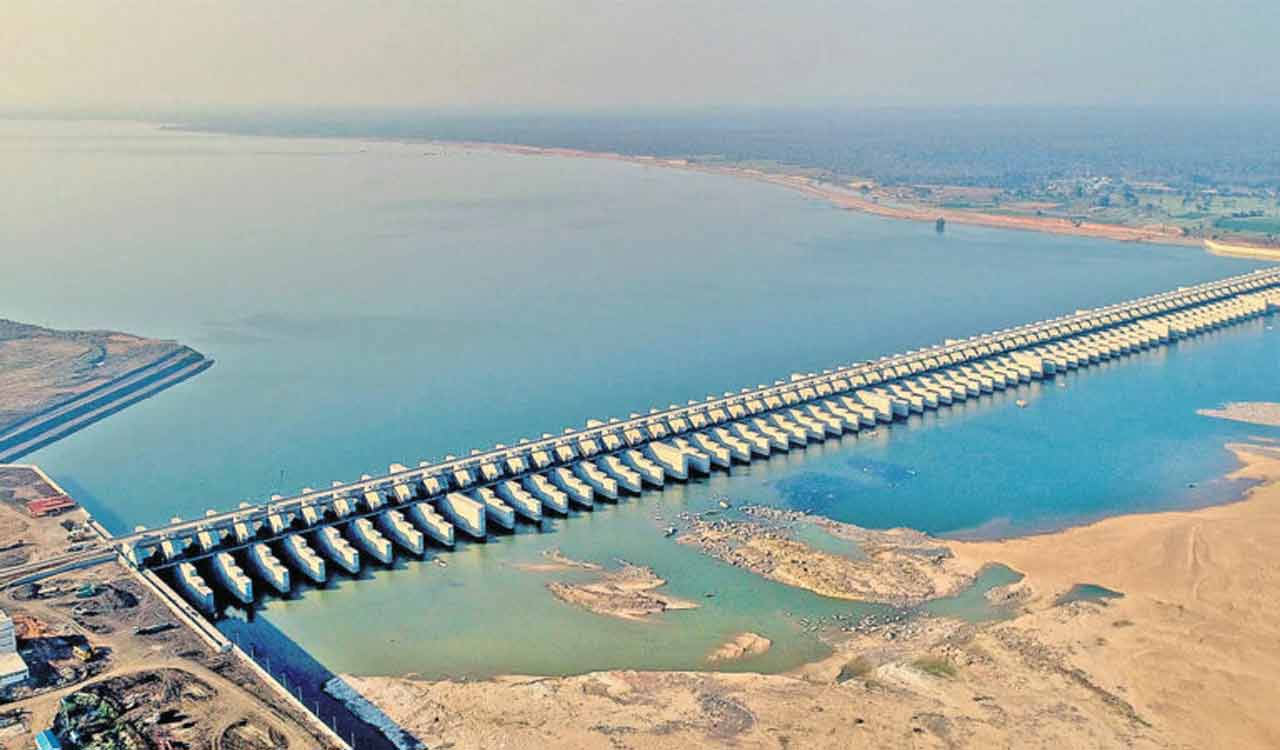


Hyderabad: More than two years after a couple of piers sank at the Medigadda barrage in October 2023, serving as a pretext for the Congress government to leave it non-functional depriving irrigation support for lakhs of acres, the Irrigation department is gearing up to take up a critical open foundation inspection of Block 7, a step critics say is long overdue and driven solely by mounting public and political pressure.
The barrage, a key component of the ambitious Kaleshwaram Lift Irrigation Project, has remained idle for two years now, leaving farmers in the region to bear the brunt of severe water shortages. Successive cropping seasons have been lost while public anger has steadily risen, with farmers openly protesting the State government’s prolonged neglect of the project.
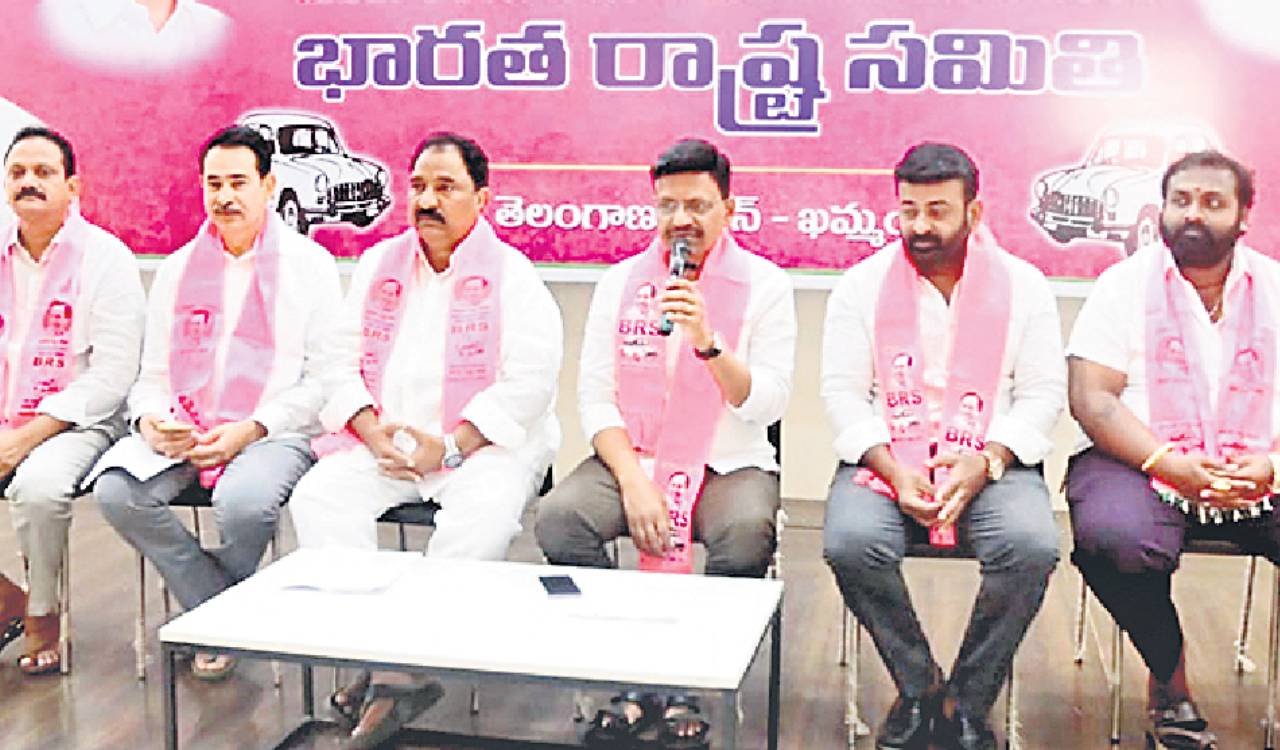
Opposition Bharat Rashtra Samithi leaders have intensified their campaign on water rights and abandoned irrigation projects, organising agitations and threatening larger protests. The BRS is holding a key meeting of its State-level executive committee and Legislative party on December 21 to decide the future course of action against the neglect of the State irrigation projects.
Sources say the escalating unrest, combined with farmers’ direct appeals to the government, has forced the Congress-led administration to act in order to demonstrate ‘sincerity’ ahead of potential political fallout. The Irrigation Department has now confirmed that work will soon begin on a comprehensive open foundation inspection of Block 7.
The exercise involves dewatering the barrage, construction of a cofferdam and directly exposing the foundation for visual and geotechnical examination, including new boreholes, geophysical surveys, and possible excavation to assess voids and erosion if any. The decision follows recommendations in the National Dam Safety Authority’s (NDSA) final report released in April this year.
Medigadda operations unlikely before 2027
The investigation is expected to help ascertain if the sagging of the piers owed to any kind of displacement in the rafts, sand piping, or any major cavity formation beneath the foundation. The NDSA explicitly called for detailed subsurface investigations of the raft and secant piles before any major restoration design could be finalised. Substantive rehabilitation efforts remained confined to announcements and studies for over two years.
An Expression of Interest (EoI) process for reputed design agencies was completed only in October this year and the upcoming inspection is expected to feed data into final rehabilitation blueprints. Officials claim full restoration work could begin in early 2026, but they have cautioned that complete irrigation benefits from Medigadda are unlikely before 2027.
The services of independent experts have to be drafted to oversee the process to address the deficiencies suspected by the NDSA. Critics, including farmer organisations and opposition leaders, argue that the Congress government’s delayed response has needlessly prolonged the crisis.
“For two years, farmers have suffered while the project gathered dust. Only now, when protests are intensifying, the government is waking up,” they said.
The upcoming inspection is being described by officials as a crucial step toward revival, but for the farmers who have waited through multiple dry seasons, it remains to be seen whether the long-promised rehabilitation will finally materialise.

Related News