Mumbai-Ahmedabad bullet train project achieves third tunnel breakthrough in Palghar
The Mumbai-Ahmedabad bullet train project has achieved its third mountain tunnel breakthrough in Palghar district within five months. NHSRCL said the 417-metre-long MT-07 tunnel at Ambesari village marks significant progress in one of the corridor's most challenging construction stretches


Palghar: The Mumbai-Ahmedabad bullet train project has achieved another milestone with the excavation of a mountain tunnel in Maharashtra’s Palghar district, the third such breakthrough in the district in the last five months, officials said on Tuesday.
The National High Speed Rail Corporation Limited (NHSRCL), which is implementing the project, said this significant breakthrough was achieved on June 1.
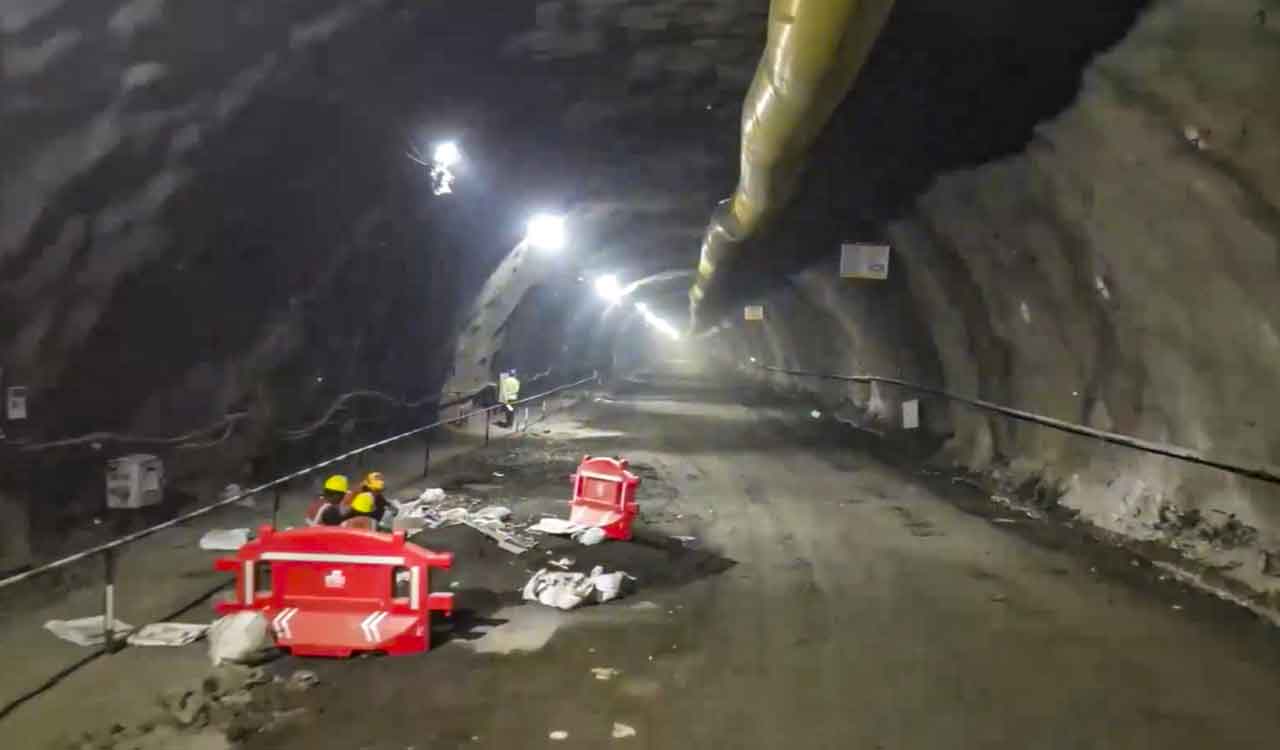
Engineers successfully completed the excavation of the third mountain tunnel (MT-07) at Ambesari village in Dahanu taluka of Palghar district, marking a crucial step forward for the Mumbai-Ahmedabad bullet train project, the NHSRCL said in a statement on Tuesday.
With this latest achievement, the project has successfully excavated three mountain tunnels in the last five months alone, signalling rapid construction progress in one of the corridor’s most geographically complex stretches, it said.
The newly excavated tunnel spans 417 metres in length and has a width of 14.4 metres. The structure has been specifically designed to accommodate both the up and down tracks of the high-speed bullet train corridor, according to the statement.
To carve through the rugged terrain, the NHSRCL used a highly coordinated controlled drilling and blasting method, carrying out the excavation simultaneously from both ends.
Given the logistical challenges of mountain excavation, advanced monitoring systems and geotechnical instruments were deployed to ensure structural stability, it said.
The site featured real-time monitoring technologies, including Surface Settlement Points (SSP) and 3D targets to track ground movement, as well as strain gauges and seismographs to continuously monitor vibrations and tunnel behaviour, thereby protecting nearby structures.
Strict safety protocols were in place for workers, including state-of-the-art ventilation systems, fire safety measures, and controlled access arrangements, the NHSRCL said.
The successful excavation of MT-07 officially completes all three mountain tunnels (MT-08, MT-07, and MT-06) located between the Vapi (Gujarat) and Boisar (Maharashtra) bullet train stations.
This specific section of the corridor passes through a vital industrial belt.
The rapid completion of these tunnels ensures that the high-speed link between these two major economic hubs remains on track.
The ambitious project requires a total of eight mountain tunnels, with seven located in Palghar and one in Valsad (Gujarat).
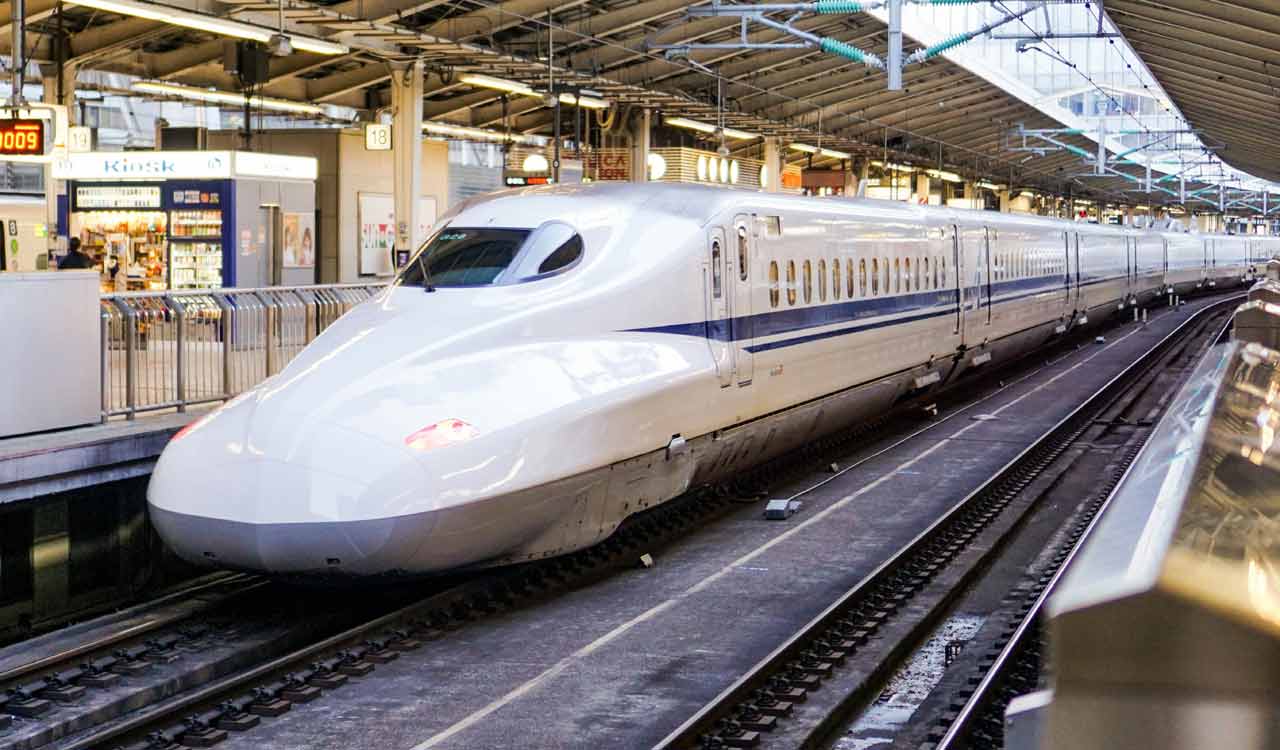
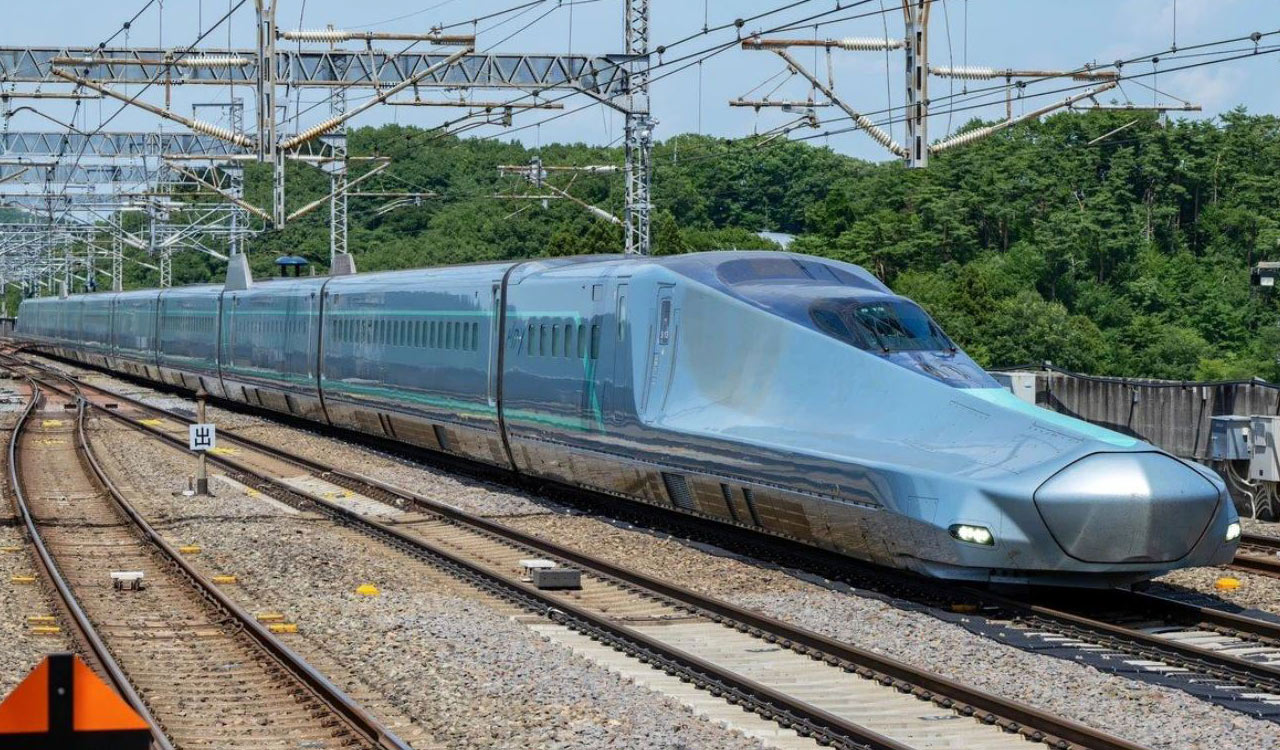
The 508-km railway project connecting Mumbai and Ahmedabad, which passes through Gujarat, Maharashtra, and Dadra and Nagar Haveli, is India’s only high-speed rail project designed to operate bullet trains at a speed of 320 kmph.
The project is being executed with technical and financial assistance from the Japanese government.
The corridor will connect major cities, including Sabarmati, Ahmedabad, Anand, Vadodara, Bharuch, Surat, Bilimora, Vapi, Boisar, Virar, Thane, and Mumbai. Once completed, the project will reduce travel time between Mumbai and Ahmedabad to just 1 hour and 58 minutes, officials said.
The project achieved its second tunnel breakthrough in February this year near Saphale village in Palghar district. A month earlier, in January, another breakthrough of the MT-5 tunnel was achieved near Saphale.

Related News
-

India’s first bullet train to begin phased operations from August 15, 2027; Hyderabad to get three high-speed rail corridors
-
Ashwini Vaishnaw to launch Mumbai-Ahmedabad Bullet Train tunnel work
-
Goyal highlights growing India-Japan investment and trade ties
-
Mumbai-Ahmedabad bullet train project hits key tunnel milestone