Nearly 64 pc of Hyderabad professionals have late dinners: EYVA study
Nearly 64 pc of working professionals in Hyderabad reportedly have their last meal after 10 pm, with EYVA’s India Wellness Index 2026 highlighting late dinners, sedentary commutes, caffeine intake and limited recovery as key lifestyle patterns affecting wellness scores
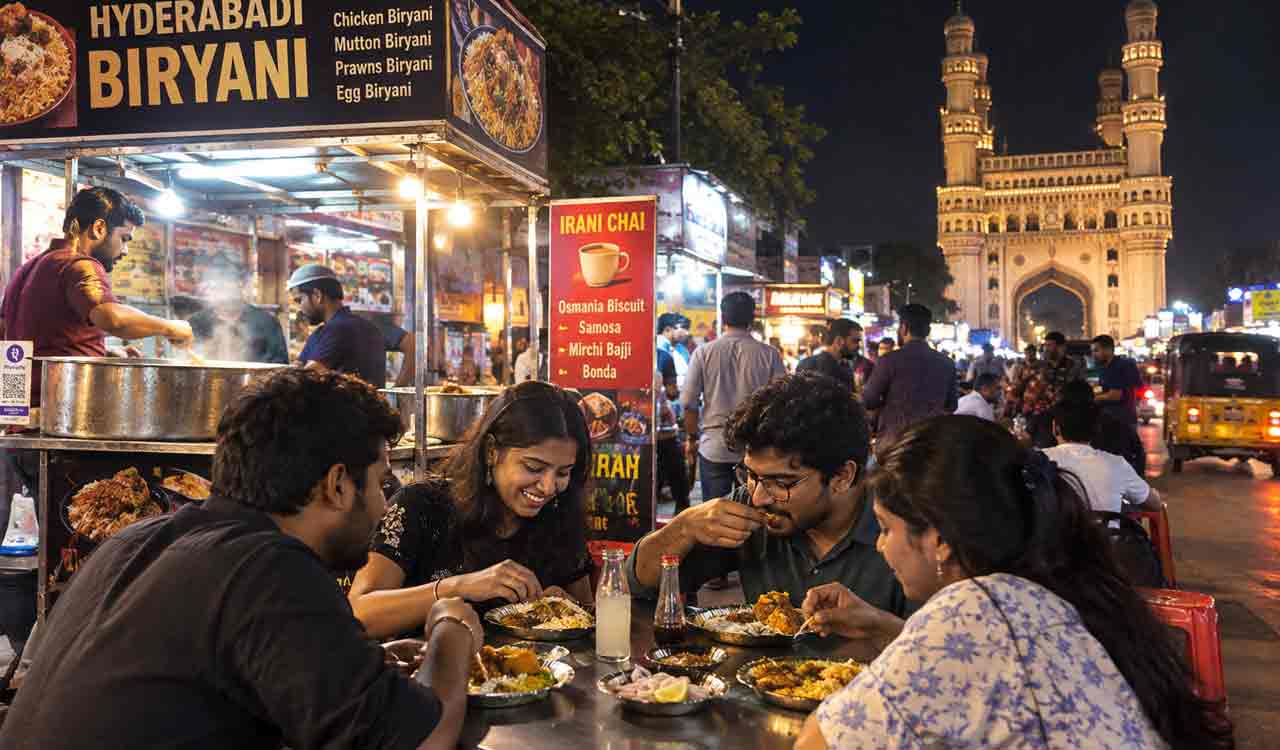


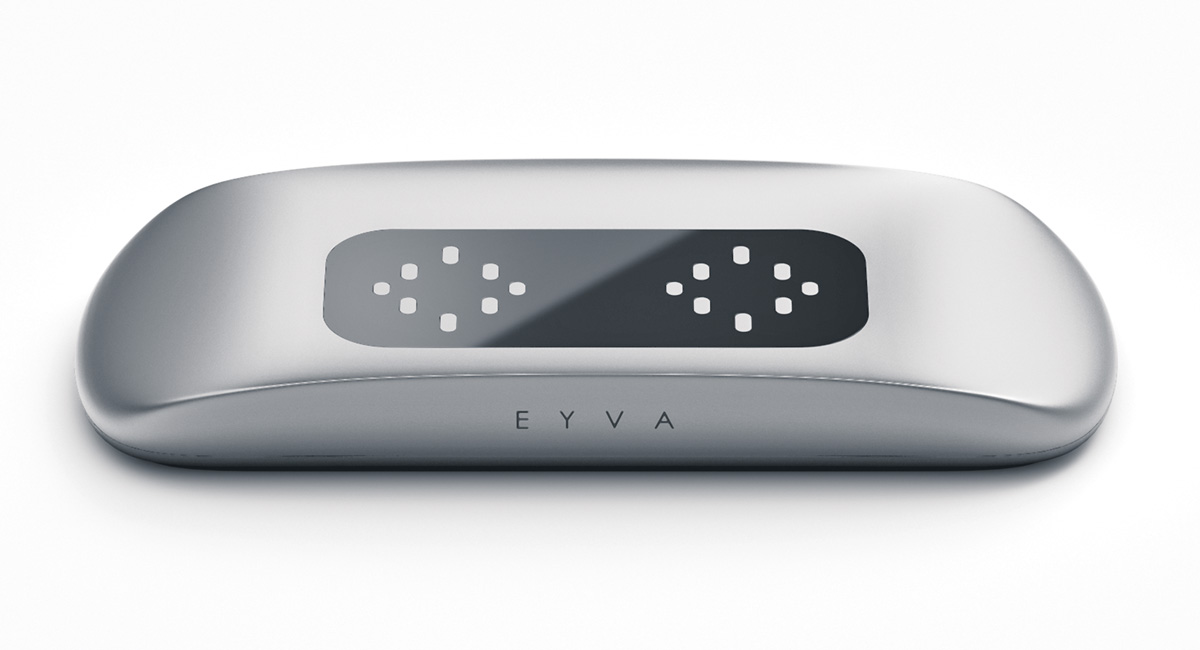
Hyderabad: Nearly 64 pc of the working professionals in Hyderabad have their last meal late into the night past 10 pm, resulting in glucose trends and metabolic scores that run less stable through the following morning, according to a study conducted by EYVA, the world’s first touch-based metabolic wellness tracker.
The report — India Wellness Index 2026 — highlights long sedentary commutes, heavy late dinners, lack of post-meal activity, late-night caffeine intake, and limited recovery time as clear lifestyle patterns among users with poor wellness scores against their personal baselines.
The report comprises insights drawn from more than 3.5 million de-identified readings across metabolic, cardiovascular, and respiratory wellness from over 30,000 users of EYVA across India, primarily urban.
Late dinners are national habit
Nationally, approximately 54 pc of users consumed their last large meal after 9 PM, with the trend being particularly pronounced in metro cities. Mumbai recorded the latest dinner timings while Delhi reported the heaviest meals.
“Late-night dinners have become an increasingly common phenomenon nationwide. While long commutes remain the primary driver, we’ve observed an emerging trend that is also affecting the broader family unit. Even when only one working member returns home late, other family members often adjust their own mealtimes accordingly, creating a ripple effect across the household’s daily routine,” says Sunil Maddikatla, Founder & CEO, EYVA.
About 37 pc of users who logged any post-meal activity such as a short walk showed markedly flatter post-meal glucose trends by 12-16 pc and better sleep. Additionally, roughly 25 pc of users logged carb- or sugar-heavy breakfasts that, for many, set up a harder morning.
Caffeine trend
Around 40 pc of users consumed caffeine within six hours of bedtime. Elevated night-time heart-rate trends have been observed on roughly a quarter of nights clustered around late meals, late caffeine, stress, and, in the Northern parts of India, bad-air spells. Across India, a lot of people lie down at night while their metabolism is still active managing their late-dinners, resulting in poor recovery patterns.
In the Delhi-NCR region, outdoor activity fell by about 30 pc during peak-smog winter weeks, with oxygen-wellness trends running lower and night-time respiratory effort and heart-rate trends running higher on high-AQI days. Overall, their metabolic wellness scores drifted ~6–9 pc lower across prolonged smog stretches, recovering once the air cleared.
In Mumbai, active daily movement associated with local-train commuting did not necessarily translate into better recovery. About 52 pc commuted primarily by local train or public transit, showing elevated day-stress and heart-rate trends through crush hours even when step counts were high. The city recorded some of the latest meal patterns, with 64 pc of recorded final meals occurring after 9.30 PM.
In Bengaluru, 44 pc of users recorded long sedentary commutes or travel windows on workdays, resulting in ~18 pc lower daily movement on such days, with elevated day-stress and heart-rate trends. Similarly, ~10 pc of participants linked their activity to greener spaces (parks, tree-lined streets, outdoor areas), and 7 in 10 of those tagged that activity with a positive mood.
The survey also offered an encouraging finding. Among users who made and maintained small behavioural changes, wellness scores rose by approximately 8–12 pc over three months.
“The score didn’t rise because of the device,” added Maddikatla. “It rose because people became aware of their metabolic scores and how their body is reacting to certain lifestyle choices. It rose because people changed small things such as an earlier dinner, a short walk, a little less caffeine late in the day, and they could finally see those changes working.”

Related News