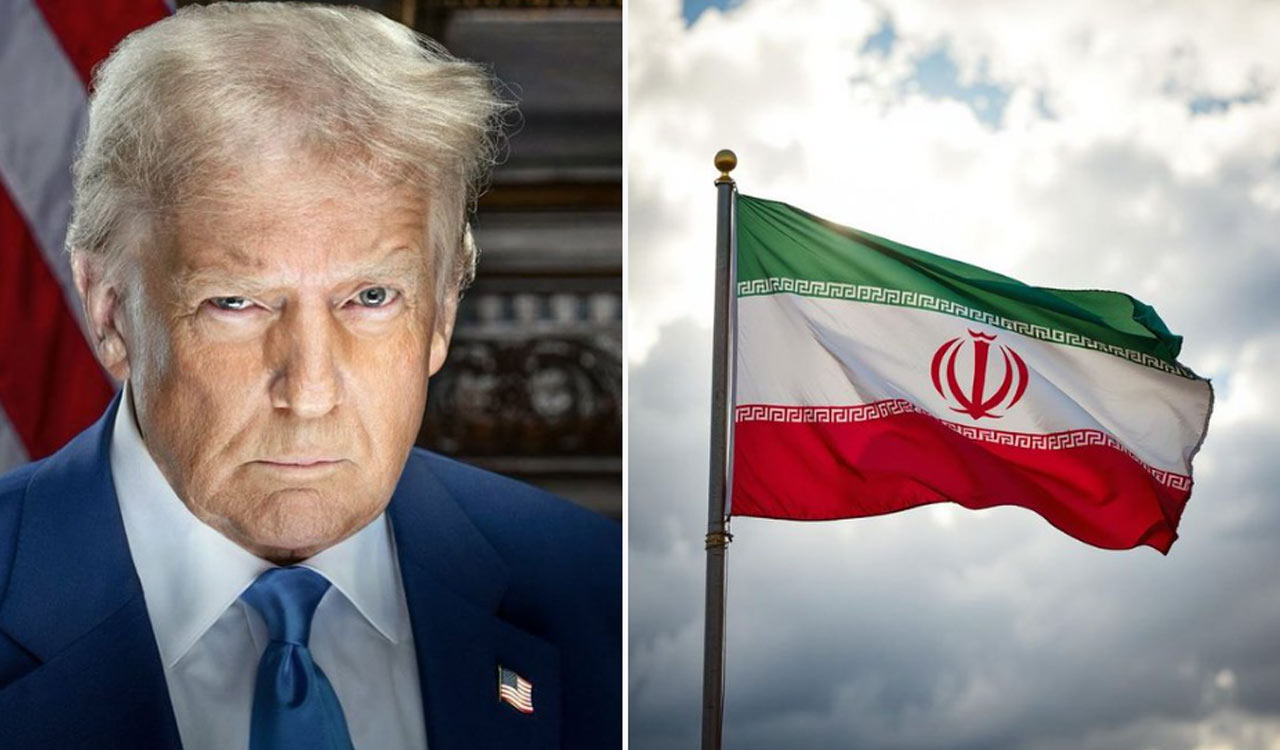
Opinion: Barakah drone strike — UAE in Iran’s strategic crosshairs
The Barakah incident may not have triggered a nuclear disaster, but it serves as a warning that the Gulf’s geopolitical rivalries are becoming more complex, more localised and potentially more unpredictable


By Brig Advitya Madan
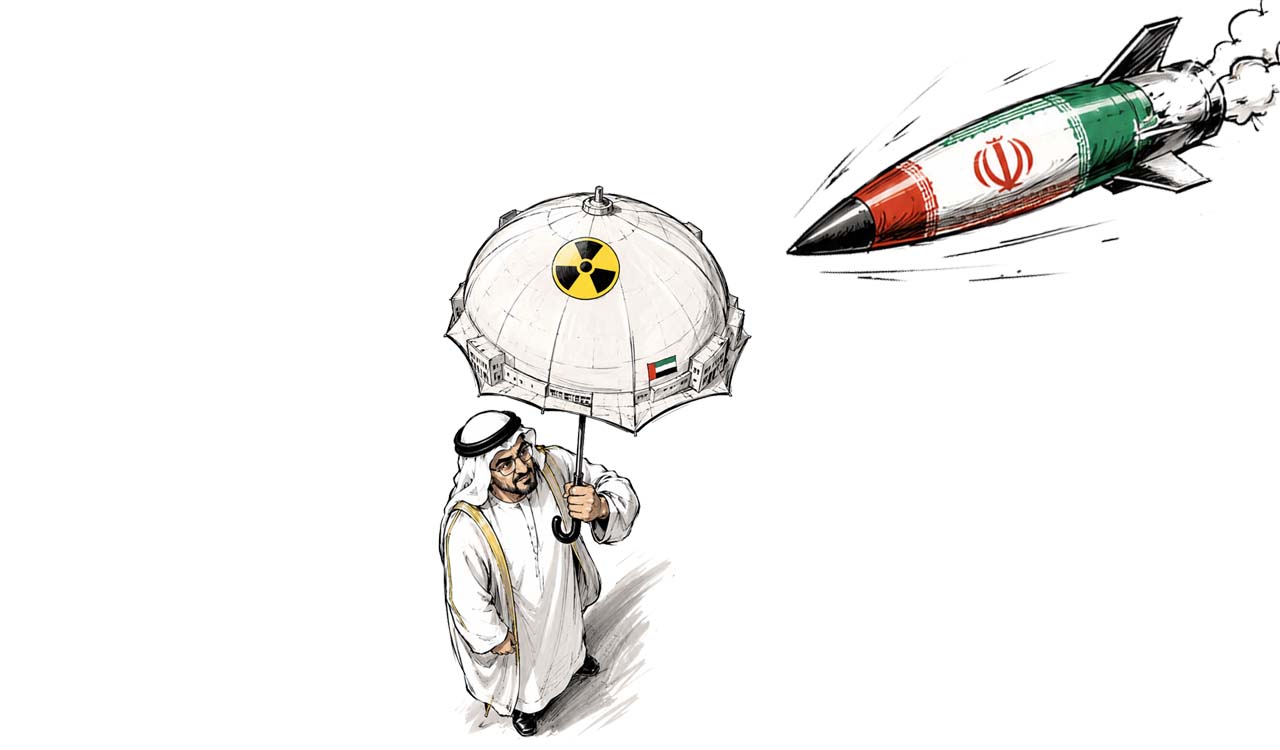
The recent drone strike near the Barakah Nuclear Power Plant in the United Arab Emirates (UAE) has once again exposed the fragile security architecture of West Asia. Although the drone reportedly struck an electrical generator outside the inner perimeter of the plant and did not damage the reactor itself, the incident has revived concerns over the growing shadow conflict between Iran and the UAE. More importantly, it underlines how critical infrastructure, ports and energy facilities are increasingly becoming instruments of geopolitical signalling in the Gulf.
Also Read
Within the context of recent regional tensions, Iran’s increasingly confrontational posture towards the UAE is difficult to ignore. Tehran appears to view pressure on Abu Dhabi as a way of indirectly challenging both the United States and Israel without inviting a direct conventional conflict.
Iran’s Regional Posture
In recent months, Iran has repeatedly demonstrated that it prefers calibrated retaliation to outright escalation. The objective appears to be to impose strategic costs while avoiding a war that could destabilise the Iranian regime itself.
The tensions also reveal the limited success of recent American pressure tactics against Iran. Washington’s attempts to weaken Tehran economically through sanctions and maritime restrictions have undoubtedly strained the Iranian economy, forcing reductions in oil production and increasing dependence on floating storage tankers. However, these measures have not fundamentally altered Iran’s regional posture or nuclear ambitions. Instead, Tehran has adapted while simultaneously expanding its strategy of asymmetric retaliation through missiles, drones and proxy networks spread across the region.
The missile and drone strikes on Fujairah earlier this month were particularly significant. Fujairah is strategically important because it serves as the UAE’s principal oil export outlet outside the Strait of Hormuz. Any disruption there carries implications not merely for the UAE but also for global energy markets. By demonstrating its ability to threaten such infrastructure, Iran seeks to convey that instability in the Gulf can carry economic costs far beyond the region itself. Tehran understands that energy insecurity instantly attracts international attention and places pressure on Western governments dependent on stable oil supplies.
Since signing the Abraham Accords in 2020, Abu Dhabi has expanded security, diplomatic and economic cooperation with Tel Aviv far more openly than most Arab states
UAE’s Growing Vulnerability
A major reason for the UAE’s growing vulnerability lies in its steadily deepening relationship with Israel. Since signing the Abraham Accords in 2020, Abu Dhabi has expanded security, diplomatic and economic cooperation with Tel Aviv far more openly than most Arab states. While several Gulf countries maintain discreet engagement with Israel, the UAE has chosen visible strategic alignment. Reports of advanced Israeli defence systems, intelligence cooperation and cybersecurity partnerships have only reinforced Iranian perceptions that the UAE has become part of a broader anti-Iran security framework.
From Tehran’s perspective, therefore, the UAE represents more than a neighbouring Gulf monarchy. It is increasingly viewed as a regional platform through which Israeli influence can project itself deeper into the Gulf. This perception has acquired greater significance after the Gaza conflict, which sharply polarised public opinion across the Arab world. While many Arab governments maintained caution in public, the UAE’s continued engagement with Israel drew criticism from sections of the region that viewed normalisation as politically premature.
Divided GCC
At the same time, important differences are emerging within the Gulf Cooperation Council. Saudi Arabia and the UAE continue to cooperate closely, but their strategic priorities are no longer identical. Divergences over Yemen, Sudan and oil production policy have become more visible in recent years. Abu Dhabi’s desire to maximise oil production and pursue a more assertive regional economic strategy has occasionally brought it into friction with Riyadh’s more cautious approach. The UAE’s independent foreign policy posture has increasingly distinguished it from the traditional Saudi-led Gulf consensus.
Iran is likely to exploit these differences carefully. Saudi Arabia today appears more focused on regional stability and de-escalation, partly due to concerns that any renewed military confrontation involving Iran could once again place Saudi oil infrastructure at risk. The memory of earlier attacks on Saudi energy facilities continues to shape Riyadh’s strategic thinking. The UAE, by contrast, appears more willing to maintain a harder strategic posture through closer alignment with Israel and the West.
Yet the prospects for lasting peace remain uncertain. The United States continues to insist on significant restrictions on Iran’s nuclear programme, while Tehran remains unwilling to dilute what it views as its sovereign strategic capabilities. This widening trust deficit has produced a dangerous regional environment in which deterrence and retaliation increasingly dominate diplomacy.
The Barakah incident may not have triggered a nuclear disaster, but it serves as a warning that the Gulf’s geopolitical rivalries are becoming more complex, more localised and potentially more unpredictable. In this evolving contest, the UAE has emerged as one of the principal pressure points in Iran’s regional calculus, and any further escalation could have consequences extending far beyond West Asia.
(The author commanded 15 Punjab in Lebanon in 2007 and Brigade/Sector in Manipur as DIG in 2013, and was Brigadier Operational Logistics Western Command in 2014)

Related News