Opinion: Does WTO have a future?
The 13th World Trade Organization ministerial conference saw members struggling even to agree on a declaration, let alone the big issues of agriculture, fisheries and border taxes on ecommerce


By Jane Kelsey
The 13th World Trade Organization (WTO) ministerial conference in Abu Dhabi has failed to resolve any issues of significance, raising the inescapable question of whether the global trade body has a future.
Also Read
The three-day meeting was due to end on February 29. But late into a fourth extra day, the 164 members were struggling to even agree on a declaration, let alone the big issues of agriculture, fisheries and border taxes on electronic commerce.
The closing ceremony was sombre, and the ministerial declaration bland, stripped of the substantive content previously proposed. Outstanding issues were kicked back to the WTO base in Geneva for further discussions, or for the next ministerial conference in 2026.
Briefing journalists in the closing hours, an EU spokesperson noted how hard it would be to pick up the pieces in Geneva after they failed to create momentum at the ministerial conference. She predicted:
“[Trade] will be more and more characterised by power relations than the rule of law, and that will be a problem notably for smaller countries and for developing countries.”
Restricted Access
That imbalance is already evident, with power politics characterising the conference from the start. There were accusations of unprecedented restrictions on non-governmental organisations (NGOs) registered to participate in the conference. These bodies are crucial to bringing the WTO’s impacts on farmers, fishers, workers and other communities into the negotiation arena.
A number of NGOs have submitted formal complaints over their treatment by conference host the United Arab Emirates. They say they were isolated from delegations, banned from distributing papers, and people were arbitrarily detained for handing out press releases.
Critical negotiations were conducted through controversial “green rooms”. These were where the handpicked “double quad” members – the US, UK, European Union, Canada, China, India, South Africa and Brazil – tried to broker outcomes to present to the rest for “transparency”.
Power Politics
These powerful countries largely determined the outcomes (or lack of them). The US, historically the agenda-setter at WTO ministerial conferences, appeared largely disinterested in the proceedings, with trade representative Katherine Tai leaving early.
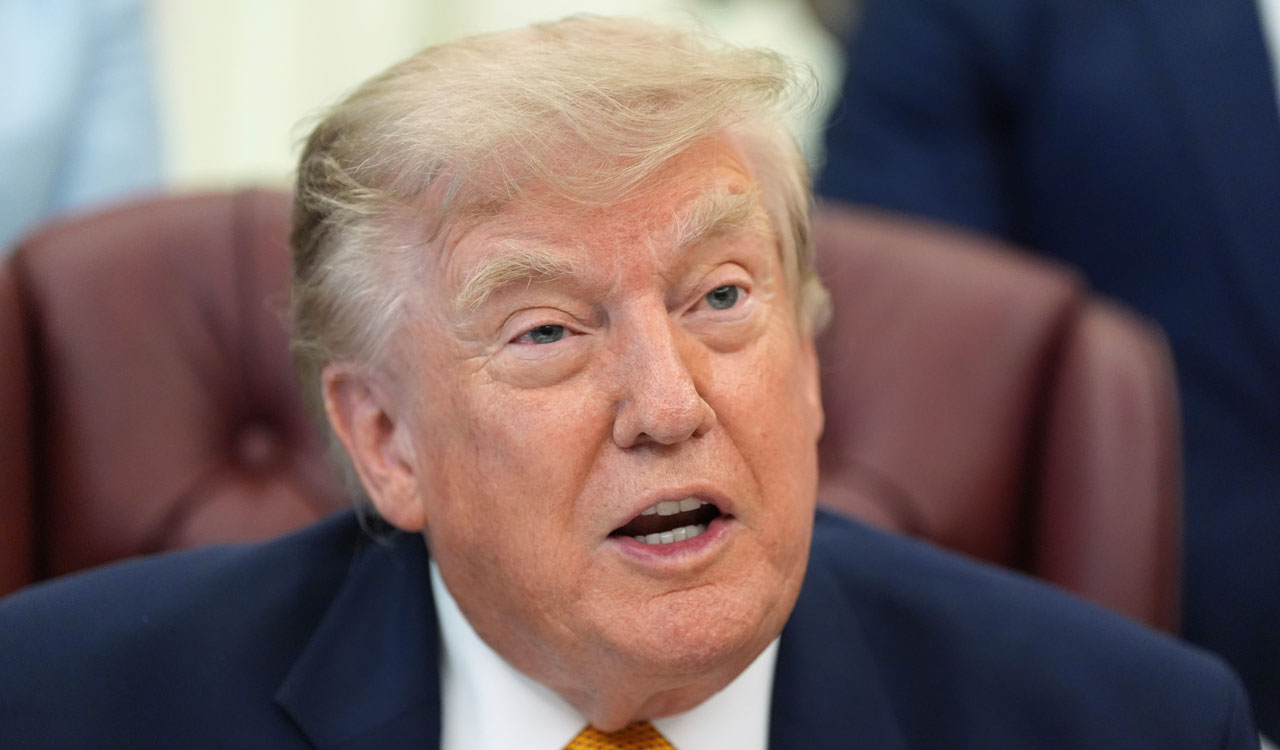
The final declaration says nothing about restoring a two-tier dispute body (panels and the appellate body), which has been paralysed since 2019 by the refusal of successive US Republican and Democratic administrations to appoint new judges to the WTO’s appellate body. The EU failed to secure progress on improvements to the appeal process. Likely Republican presidential nominee Donald Trump has already announced he would impose massive WTO-illegal tariffs on China if elected.
China, Japan, the US and EU – all big subsidisers of distant water fishing fleets – blocked an outcome aiming to protect global fish stocks, an issue already deferred from the last ministerial meeting.
The six Pacific Island WTO members lobbied tirelessly for a freeze and eventual reduction in subsidies. But the text was diluted to the point that no deal was better than a bad deal. The EU, UK, Switzerland and other pharmaceutical producers had already blocked consensus on lifting patents for Covid-19 therapeutics and diagnostics, sought by 65 developing countries. A deal brokered in 2021 on Covid vaccines is so complex no country has used it.
Domestic, Global Agendas
India’s positions also reflected domestic priorities. The 2013 Bali ministerial conference promised developing countries a permanent solution to prevent legal challenges to India’s subsidised stockpiling of food for anti-hunger programmes. A permanent solution was a red line for India, which faces an election next month and mass protests from farmers concerned at losing subsidies.
Agricultural exporters, including New Zealand, tabled counter-demands to broaden the agriculture negotiations. The public stockpiling issue remains a stalemate, without any real prospect of a breakthrough.
India and South Africa formally objected to the adoption of an unmandated plurilateral agreement on investment facilitation. The concerns were less with the agreement itself and more with the precedent it would create for sub-groups of members to bypass the WTO’s rule book. This would allow powerful states to advance their favoured issues while developing country priorities languish.
Crisis and Transformation
The face-saver for the conference was the temporary extension of a highly contested moratorium on the right to levy Customs duties at the border on transmissions of digitised content. Securing that extension (or preferably a permanent ban on e-commerce Customs duties) on behalf of Big Tech was the main US goal for the conference. Developing countries opposed its renewal, so they could impose tariffs both for revenue and to support their own digital industrialisation.
The moratorium will now expire in March 2026, so the battle will resume at the next ministerial conference scheduled to be held in Cameroon that year. But there is every likelihood the current paralysis at the WTO will continue, and the power politics will intensify. As the previously quoted EU spokesperson also mused:
“Perhaps the WTO needed a good crisis, and perhaps this will lead to a realisation that we cannot continue like this.”
Ideally, that would result in a fundamentally different international institution – one that provides real solutions to the 21st century challenges on which the WTO is unable to deliver.
Jane Kelsey is Emeritus Professor of Law, University of Auckland, Waipapa Taumata Rau. theconversation.com

Related News